Moisture can damage many products, materials, and equipment if it is not properly controlled. From electronics and medicines to clothing, food packaging, and industrial products, excess humidity can cause mould, corrosion, unpleasant odours, and reduced product quality.
One of the most effective solutions for moisture control is silica gel. These small packets containing moisture-absorbing beads are commonly found inside product packaging, but their importance goes far beyond simple packaging protection.
Silica gel is a highly effective desiccant that helps maintain dry conditions by absorbing and holding moisture from the surrounding environment. Because of its reliability, low cost, and versatility, it is widely used across industries including manufacturing, pharmaceuticals, electronics, food storage, logistics, and consumer products.
This complete guide explains what silica gel is, how it works, its different types, common uses, benefits, safety information, and why businesses rely on silica gel for moisture protection.
What Is Silica Gel?
Silica gel is a porous form of silicon dioxide that works as a desiccant, meaning it absorbs and controls moisture from the air. Despite its name, silica gel is not actually a liquid or traditional gel. It is a solid material made up of tiny porous particles that can attract and hold water vapour.
Silica gel beads contain millions of microscopic pores that create a large surface area. These pores allow the material to capture moisture molecules from the surrounding environment.
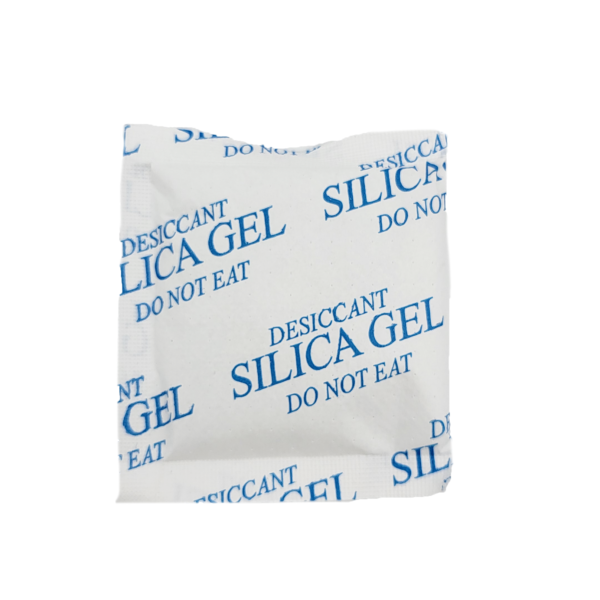
It is commonly packaged in small sachets or packets and placed inside product packaging to protect items from humidity damage.
Common products that use silica gel include:
Electronics
Shoes and clothing
Leather goods
Medicines
Food packaging
Cameras
Documents
Industrial equipment
The main purpose of silica gel is to keep products dry and maintain their quality during storage and transportation.
How Does Silica Gel Work?
Silica gel works through a process called adsorption. Unlike absorption, where a substance is taken inside another material, adsorption means moisture molecules attach to the surface of the silica gel particles.
The tiny pores inside silica gel attract water vapour from the surrounding air. As moisture enters these pores, it becomes trapped within the structure of the silica gel.
This process helps reduce humidity levels inside sealed packaging and storage areas.
The effectiveness of silica gel comes from its:
Large surface area
Porous structure
Strong moisture attraction
Chemical stability
Because of these properties, silica gel can protect sensitive products from humidity-related damage.
Why Is Silica Gel Important for Moisture Control?
Moisture is one of the biggest threats to product quality. High humidity can cause different types of damage depending on the material involved.
For example:
Electronics may experience corrosion or short circuits.
Leather products can develop mould or unpleasant smells.
Metal items may rust.
Medicines may lose stability.
Food packaging may experience quality changes.
Documents and paper products can become damaged.
Silica gel provides a simple and effective solution by maintaining a dry environment.
For businesses, using silica gel helps improve product shelf life, reduce damage during shipping, and maintain customer satisfaction.
Common Uses of Silica Gel
Silica gel has applications across many industries because of its moisture-control properties.
Silica Gel in Product Packaging
One of the most common uses of silica gel is inside product packaging. Manufacturers place silica gel packets inside boxes and containers to prevent moisture damage during storage and transportation.
Products commonly packaged with silica gel include:
Shoes
Bags
Clothing
Electronic devices
Tools
Optical equipment
The packets help ensure products arrive in better condition by controlling humidity levels.
Silica Gel for Electronics Protection
Electronic devices are sensitive to moisture. Humidity can damage internal components, create corrosion, and affect performance.
Silica gel is often used with:
Cameras
Mobile accessories
Computers
Hard drives
Audio equipment
Electronic storage products
Keeping electronics dry helps extend their lifespan and maintain reliability.
Silica Gel in Pharmaceutical Packaging
The pharmaceutical industry requires strict quality control because medicines can be affected by moisture.
Silica gel is commonly used in medicine bottles and packaging to help protect products from humidity.
It helps maintain:
Product stability
Storage quality
Packaging conditions
Shelf life
Pharmaceutical manufacturers carefully select appropriate desiccants based on product requirements.
Silica Gel for Food Storage
Some food products are sensitive to moisture changes. Silica gel can help protect packaged goods by controlling humidity inside containers.
It may be used in packaging for:
Snacks
Dry foods
Supplements
Spices
Certain packaged products
However, silica gel packets used for food packaging must be specifically designed and approved for that purpose.
Silica Gel for Leather Products
Leather can absorb moisture from the environment, which may lead to mould, odours, and deterioration.
Silica gel packets are commonly placed inside:
Leather shoes
Handbags
Wallets
Jackets
Leather accessories
They help maintain dryness and protect the appearance and quality of leather products.
Silica Gel for Storage and Transportation
During shipping, products may experience changing temperatures and humidity levels. These conditions can create condensation and moisture problems.
Businesses use silica gel during transportation to protect goods from environmental changes.
It is especially useful for:
International shipping
Warehouse storage
Export packaging
Long-term storage
Different Types of Silica Gel
Silica gel is available in different forms depending on the application and moisture-control requirements.
White Silica Gel
White silica gel is the most common type used for general moisture protection.
It does not contain colour indicators and is widely used in everyday packaging applications.
Common uses include:
Product packaging
Storage containers
Consumer goods
Blue Indicating Silica Gel
Blue silica gel contains a moisture indicator that changes colour as it absorbs moisture.
Traditionally, cobalt chloride was used as the indicator, although concerns about safety have encouraged the use of alternative indicators.
The colour change helps users identify when the silica gel has reached moisture capacity.
Orange Indicating Silica Gel
Orange silica gel is considered a safer alternative to traditional blue indicating silica gel.
It changes colour as moisture is absorbed and is commonly used where visual monitoring is needed.
Applications include:
Industrial storage
Equipment protection
Laboratory use
Beaded Silica Gel
Beaded silica gel consists of small round particles designed for efficient moisture absorption.
It is commonly used in:
Packaging
Containers
Industrial applications
Powdered Silica Gel
Powdered forms provide increased surface contact but are usually used for specialised applications rather than consumer packaging.
Benefits of Using Silica Gel
Silica gel provides several advantages for businesses and consumers.
Protects Products From Moisture Damage
The primary benefit of silica gel is moisture protection.
It helps prevent:
Mould growth
Corrosion
Odour development
Product deterioration
Humidity-related damage
Extends Product Shelf Life
By maintaining dry conditions, silica gel helps products remain usable for longer periods.
This is especially important for:
Medicines
Electronics
Industrial components
Stored goods
Lightweight and Easy to Use
Silica gel packets are small, lightweight, and simple to include inside packaging.
They do not require electricity, complex equipment, or special installation.
Cost-Effective Moisture Solution
Compared with other moisture-control methods, silica gel is affordable and practical.
Businesses can use it in large quantities without significantly increasing packaging costs.
Non-Toxic and Chemically Stable
Silica gel itself is chemically stable and does not react easily with most materials.
However, silica gel packets should not be consumed, and packaging instructions should always be followed.
How to Choose the Right Silica Gel
Choosing the correct silica gel depends on the intended application.
Important factors include:
Required Moisture Absorption Capacity
Different products require different levels of moisture protection.
Small packages may need small silica gel sachets, while industrial storage may require larger quantities.
Packaging Size
The size of the sealed area affects how much silica gel is needed.
A larger container generally requires more desiccant capacity.
Application Environment
Consider where the silica gel will be used.
Factors include:
Temperature
Humidity level
Storage duration
Product sensitivity
Type of Silica Gel
Choose between:
Standard silica gel for general use
Indicating silica gel for moisture monitoring
Specialised silica gel for industrial applications
Selecting the correct type improves moisture-control performance.
Can Silica Gel Be Reused?
Some silica gel products can be reused after regeneration. Regeneration involves removing absorbed moisture by carefully heating the silica gel.
When moisture is removed, the silica gel can regain some of its moisture-absorbing ability.
However, users should follow manufacturer instructions because regeneration methods vary.
Improper heating may damage the material or packaging.
Silica Gel Safety Information
Silica gel packets often include warnings such as “Do Not Eat.” This is because the packets are not intended for consumption.
Although silica gel is generally considered chemically stable, swallowing packets can create health risks, especially because some indicating types may contain additional chemicals.
Important safety practices include:
Keep packets away from children
Do not consume silica gel
Dispose of damaged packets properly
Follow product instructions
Proper handling ensures safe use.
Why Businesses Use Silica Gel in Packaging
Businesses across industries rely on silica gel because moisture protection directly affects product quality.
Using silica gel helps companies:
Reduce product damage
Improve customer satisfaction
Maintain quality during shipping
Protect inventory
Increase product reliability
From small consumer goods to industrial equipment, silica gel plays an important role in modern packaging solutions.
Frequently Asked Questions About Silica Gel
What is silica gel used for?
Silica gel is used to absorb moisture and protect products from humidity damage. It is commonly found in packaging for electronics, clothing, medicines, food products, and industrial goods.
Is silica gel dangerous?
Silica gel itself is generally considered stable, but it should not be eaten. Packets should be kept away from children and disposed of properly.
Can silica gel be reused?
Some silica gel products can be reused after moisture removal through regeneration methods recommended by the manufacturer.
How does silica gel absorb moisture?
Silica gel absorbs moisture through adsorption. Water vapour attaches to the porous surface of silica gel particles.
Why are silica gel packets placed in product boxes?
Silica gel packets are placed in packaging to prevent humidity damage during storage and transportation.
What is the difference between blue and orange silica gel?
Blue and orange silica gels contain moisture indicators that change colour as they absorb water. Orange silica gel is commonly considered a safer alternative to traditional blue indicators.
Does silica gel expire?
Silica gel does not have a traditional expiration date, but its effectiveness decreases once it becomes saturated with moisture.
Where can silica gel be used?
Silica gel is used in packaging, electronics storage, pharmaceuticals, food products, leather goods, warehouses, and industrial applications.
Conclusion
Silica gel is a simple yet highly effective solution for controlling moisture and protecting valuable products. Its ability to absorb water vapour makes it essential across industries ranging from electronics and pharmaceuticals to packaging and storage.
Whether used in small product packages or large industrial applications, silica gel helps prevent humidity damage, extend product life, and maintain quality.
By choosing the right type and quantity of silica gel for each application, businesses and consumers can create safer, drier environments and protect products from moisture-related problems.