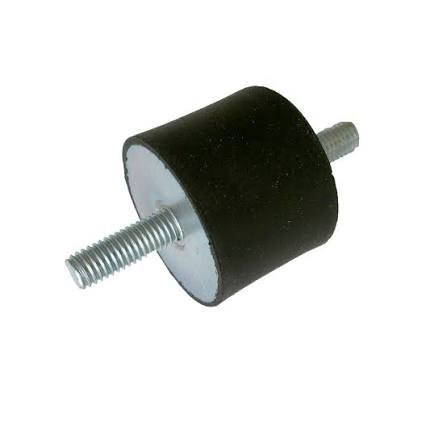
Every successful foundation project depends on reliable equipment. Machines used for pile installation work under heavy loads and produce strong vibration during operation. If this vibration is not properly controlled, it can increase wear on equipment, reduce performance, and lead to expensive repairs. That is why a vibratory hammer dampener plays an important role in modern construction.
A vibratory hammer dampener is designed to reduce vibration that travels between the vibratory hammer and the carrier machine. It absorbs unwanted movement and helps protect important machine components from unnecessary stress. When installed correctly, it improves equipment performance, supports smoother operation, and helps extend the life of the machine.
However, many equipment problems happen because of installation mistakes. Even a high quality vibratory hammer dampener cannot perform properly if it is installed incorrectly or maintained poorly. In this guide, you will learn the most common mistakes to avoid when installing a vibratory hammer dampener, why proper installation matters, and how Pile Driving USA supports dependable foundation equipment solutions.
What Is a Vibratory Hammer Dampener?
A vibratory hammer dampener is a vibration control component installed between the vibratory hammer and the carrier machine. Its main purpose is to absorb vibration before it reaches the excavator, crane, or other supporting equipment.
By reducing the transfer of vibration, the dampener protects hydraulic systems, structural components, mounting points, and operator comfort.
It also helps improve equipment stability while reducing mechanical stress during foundation work.
Why Proper Installation Matters
Correct installation is one of the most important parts of equipment performance.
A properly installed vibratory hammer dampener helps reduce vibration, improves machine balance, and supports efficient pile installation.
Poor installation may reduce the effectiveness of the dampener and place unnecessary stress on the equipment.
Taking time to install the dampener correctly helps improve both productivity and equipment reliability.
Mistake 1: Choosing the Wrong Vibratory Hammer Dampener
One of the most common mistakes is selecting the wrong vibratory hammer dampener for the equipment.
Every machine has different operating requirements.
A dampener that does not match the equipment size or vibration level may not provide effective vibration control.
Always select a dampener that is suitable for the equipment and project requirements.
Proper compatibility improves performance and equipment protection.
Mistake 2: Skipping Equipment Inspection Before Installation
Many contractors focus only on installing the dampener without checking the condition of the equipment.
Before installing a vibratory hammer dampener, inspect the mounting frame, hydraulic connections, attachment points, and structural components.
Installing a new dampener on damaged equipment may reduce its performance.
Regular inspections help identify problems before installation begins.
Mistake 3: Incorrect Mounting Alignment
Proper alignment is essential for vibration control.
If the vibratory hammer dampener is not aligned correctly, vibration may not be distributed evenly.
Poor alignment can increase stress on mounting components and reduce equipment stability.
Careful positioning during installation helps ensure the dampener performs as intended.
Mistake 4: Ignoring Manufacturer Specifications
Every dampener is designed with specific installation requirements.
Ignoring recommended installation procedures may reduce equipment performance.
Following proper installation instructions helps achieve the best vibration control while protecting machine components.
Correct installation also improves equipment safety.
Mistake 5: Using Worn or Damaged Mounting Components
A new vibratory hammer dampener cannot perform properly if the mounting hardware is already worn.
Bolts, brackets, pins, and connection points should be inspected before installation.
Replacing damaged hardware improves equipment stability and supports reliable operation.
Strong mounting components are essential for long term performance.
Mistake 6: Failing to Tighten Fasteners Correctly
Loose mounting bolts are a common installation problem.
Fasteners that are not tightened correctly may allow unnecessary movement during operation.
Excess movement can reduce vibration control while increasing equipment wear.
Always verify that all mounting hardware is securely fastened before operating the equipment.
Routine inspections help maintain proper connections.
Mistake 7: Ignoring Hydraulic System Condition
Many vibratory hammer systems depend on hydraulic power.
Before installing a vibratory hammer dampener, inspect hydraulic hoses, fittings, and connections.
Hydraulic leaks may reduce equipment efficiency and create additional maintenance problems.
A healthy hydraulic system supports smooth equipment operation.
Mistake 8: Skipping Routine Maintenance After Installation
Installation is only the first step.
A vibratory hammer dampener should be inspected regularly throughout its service life.
Ignoring routine maintenance may allow small problems to become larger repairs.
Regular inspections help maintain equipment performance while extending service life.
Cleaning equipment after each project also reduces dirt buildup around important components.
Mistake 9: Operating Equipment Without Testing
Some operators begin full production immediately after installation.
Testing the equipment first helps confirm that the vibratory hammer dampener is working correctly.
A short operational inspection allows operators to identify unusual vibration, noise, or movement before beginning the project.
Early testing reduces the chance of future equipment problems.
Mistake 10: Ignoring Early Warning Signs
Equipment often provides warning signs before major problems develop.
Unusual vibration, excessive movement, loose mounting components, or unexpected noise should never be ignored.
Inspect the vibratory hammer dampener immediately if any of these symptoms appear.
Early repairs are usually less expensive than major equipment damage.
Benefits of Correct Installation
Installing a vibratory hammer dampener correctly provides many advantages.
Proper vibration control protects valuable equipment.
Mechanical stress is reduced.
Operator comfort improves.
Equipment life becomes longer.
Maintenance costs decrease.
Construction productivity increases.
Reliable installation also supports safer equipment operation throughout the project.
Industries That Use a Vibratory Hammer Dampener
Many industries depend on effective vibration control.
Residential construction uses foundation equipment for homes built on difficult soil.
Commercial construction relies on deep foundations for offices, schools, hospitals, and shopping centers.
Bridge construction requires dependable equipment capable of handling heavy structural loads.
Marine construction uses pile installation equipment for docks, ports, and waterfront structures.
Industrial facilities require strong foundations for heavy machinery.
Renewable energy projects install piles for wind turbines and solar systems.
Transportation infrastructure projects also benefit from vibration controlled equipment.
Because of its versatility, a vibratory hammer dampener supports many different industries.
Tips for Better Equipment Performance
Good maintenance habits improve equipment reliability.
Inspect the vibratory hammer dampener before every project.
Keep mounting components clean.
Check all bolts and connection points regularly.
Monitor hydraulic systems for leaks.
Replace worn components before they affect equipment performance.
Following these simple practices helps reduce downtime and extend equipment life.
Why Choose Pile Driving USA?
Pile Driving USA understands the importance of reliable equipment for successful foundation construction.
Whether working on residential developments, commercial buildings, industrial facilities, bridges, marine projects, renewable energy installations, or transportation infrastructure, dependable vibration control helps contractors complete projects safely and efficiently.
Pile Driving USA focuses on providing reliable foundation equipment solutions that improve productivity, protect valuable machinery, and support long term project success.
By using quality equipment and proper installation methods, contractors can build stronger foundations with greater confidence.
The Future of Vibratory Hammer Dampener Technology
Construction equipment continues improving every year.
Modern vibratory hammer dampener systems are becoming more durable, efficient, and reliable.
Improved materials, better vibration control technology, and advanced engineering help contractors achieve higher productivity while reducing equipment wear.
As construction projects become larger and more demanding, dependable vibration control will remain an important part of foundation equipment.
Conclusion
A vibratory hammer dampener is one of the most important components for controlling vibration during foundation construction. Proper installation helps improve equipment performance, reduce mechanical stress, increase operator comfort, and extend equipment life.