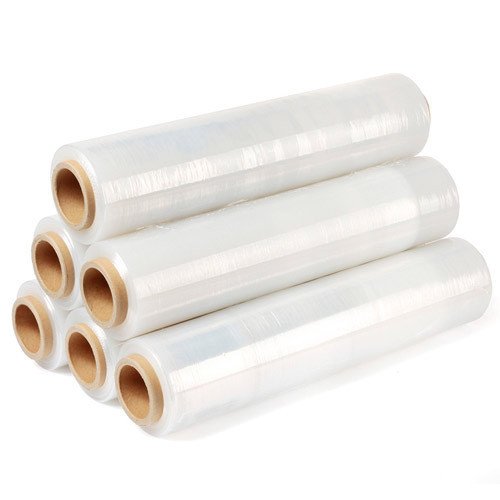
Packaging plays a crucial role in protecting products during storage, transportation, and distribution. Businesses across manufacturing, logistics, warehousing, retail, and many other industries need reliable packaging materials that keep goods secure while reducing damage and handling issues.
Stretch wrapping film is one of the most widely used packaging solutions for securing pallets, cartons, and products during transportation. Its flexibility, strength, and ability to tightly hold items together make it an essential material for modern supply chains.
From small businesses shipping products locally to large warehouses managing thousands of pallets, stretch wrap provides an efficient way to improve load stability, protect goods from dust and moisture, and simplify packaging operations.
Understanding the different types, benefits, applications, and selection factors of stretch wrapping film helps businesses choose the right solution for their packaging needs.
What Is Stretch Wrapping Film?
Stretch wrapping film is a highly flexible plastic packaging material designed to wrap and secure products or pallet loads. It is manufactured from stretchable plastic materials, most commonly linear low-density polyethylene (LLDPE), which allows it to expand and tightly hold products together.
Unlike traditional packaging materials that require additional tools or fasteners, stretch film uses its own elasticity to create tension around products. This tension keeps items stable during storage and transportation.
Stretch wrapping film is commonly used for:
- Pallet wrapping
- Product bundling
- Warehouse packaging
- Shipping protection
- Load stabilisation
- Industrial packaging
The film is available in different thicknesses, sizes, colours, and performance levels to suit various business requirements.
Why Use Stretch Wrapping Film for Packaging?
Businesses need packaging solutions that are reliable, efficient, and cost-effective. Stretch film provides several advantages that make it a preferred choice across many industries.
Protects Products During Transportation
One of the main purposes of stretch wrapping film is protecting products from movement and damage during transportation.
When products are wrapped securely, the film helps:
- Keep items together
- Reduce shifting during handling
- Prevent product falls
- Improve pallet stability
- Minimise transport damage
Stable loads are easier to move using forklifts, pallet jacks, and other warehouse equipment.
Provides Protection Against Dust and Moisture
Storage and transportation environments can expose products to dust, dirt, and moisture.
Stretch film creates a protective barrier that helps keep products cleaner and safer during:
- Warehouse storage
- Long-distance shipping
- Outdoor transportation
- Distribution processes
This protection is especially valuable for products that require clean and organised packaging.
Improves Warehouse Efficiency
Stretch wrapping film helps businesses streamline packaging operations.
Using stretch film allows employees to quickly secure products without complicated packaging procedures.
Benefits include:
- Faster wrapping processes
- Reduced labour requirements
- Easier product handling
- Improved warehouse organisation
For high-volume operations, efficient packaging can significantly improve productivity.
Types of Stretch Wrapping Film
Different businesses require different types of stretch film depending on their products, load sizes, and packaging methods.
Hand Stretch Film
Hand stretch film is designed for manual application. It is commonly used by small businesses, warehouses, and operations with lower packaging volumes.
Advantages include:
- Easy application
- Low equipment requirements
- Flexible usage
- Suitable for irregular loads
Hand stretch film is ideal for businesses that do not require automated wrapping systems.
Machine Stretch Film
Machine stretch film is designed for use with pallet wrapping machines. It provides consistent wrapping performance and is suitable for large-scale operations.
Benefits include:
- Faster wrapping speeds
- Consistent tension
- Reduced labour costs
- Improved load security
Manufacturing facilities and distribution centres often use machine stretch film for high-volume packaging.
Pre-Stretch Film
Pre-stretch film is stretched during manufacturing before being supplied to users.
This reduces the effort required during application while providing excellent load holding performance.
Advantages include:
- Lower material usage
- Easier application
- Reduced waste
- Improved efficiency
Pre-stretch film is popular among businesses looking to reduce packaging costs.
Coloured Stretch Film
Coloured stretch film is used when businesses need additional identification or security benefits.
Common applications include:
- Product identification
- Warehouse organisation
- Brand recognition
- Concealing valuable products
Colours help businesses quickly identify different loads or categories.
Clear Stretch Film
Clear stretch film is the most common option because it allows easy visibility of packaged products.
Benefits include:
- Product visibility
- Easy barcode scanning
- Simple inventory checks
- Professional appearance
Clear film is widely used in warehouses and distribution environments.
Common Applications of Stretch Wrapping Film
Stretch film is used in many industries because of its versatility and protective properties.
Warehousing and Logistics
Warehouses depend on stretch film to secure pallet loads before transportation or storage.
Applications include:
- Pallet wrapping
- Inventory protection
- Shipping preparation
- Load stabilisation
Stretch film helps ensure products remain organised throughout the supply chain.
Manufacturing Industry
Manufacturers use stretch wrapping film to protect finished goods and raw materials.
Common uses include:
- Bundling products
- Securing components
- Packaging finished items
- Preparing shipments
The film helps prevent damage while products move through production and distribution stages.
Retail and Distribution
Retail businesses use stretch film for transporting products between suppliers, warehouses, and stores.
It helps maintain product organisation and reduces handling problems.
Food and Beverage Industry
Food manufacturers use appropriate stretch film solutions for protecting packaged products during transportation and storage.
Stretch film helps maintain clean packaging conditions and improves product handling efficiency.
Construction Materials
Construction businesses use stretch wrap to secure materials such as:
- Timber
- Building supplies
- Equipment parts
- Bulk materials
The film helps protect products from movement and environmental exposure.
Benefits of Using Stretch Wrapping Film
Stretch film offers many advantages compared with alternative packaging methods.
Cost-Effective Packaging Solution
Stretch wrapping film provides strong load security while using relatively little material.
Businesses benefit from:
- Lower packaging costs
- Reduced product damage
- Less waste
- Efficient material usage
The ability to stretch the film means fewer materials are needed to secure loads effectively.
Improves Load Stability
Unstable pallets create safety risks during transportation and storage.
Stretch film keeps products tightly grouped together, reducing the chances of:
- Falling items
- Damaged products
- Unsafe handling situations
Improved stability supports safer warehouse operations.
Easy to Apply
Stretch film is simple to use and requires minimal training.
Whether applied manually or with machinery, the wrapping process is straightforward and efficient.
Flexible for Different Products
Stretch wrapping film can be used for products of various shapes, sizes, and weights.
It works well for:
- Boxes
- Cartons
- Irregular packages
- Bundled products
- Pallet loads
This flexibility makes it suitable for many industries.
How to Choose the Right Stretch Wrapping Film
Selecting the correct stretch film is important because different applications require different performance levels.
Consider Load Weight
The weight of your products affects the type of stretch film required.
Heavy loads may need:
- Thicker film
- Higher strength materials
- Machine-grade stretch film
Lightweight products may require less heavy-duty options.
Choose the Correct Thickness
Stretch film thickness is usually measured in microns or gauge.
Thicker films provide:
- Greater puncture resistance
- Higher durability
- Better protection for heavy loads
Thinner films can be suitable for lighter applications while reducing material usage.
Evaluate Stretch Performance
Stretch capability affects how efficiently the film secures loads.
Higher stretch performance can provide:
- Better load holding
- Reduced film usage
- Improved packaging efficiency
Businesses should select film based on their wrapping equipment and product requirements.
Consider Application Method
The correct stretch film depends on how it will be applied.
Choose between:
- Hand application
- Machine application
- Automated wrapping systems
Using the right film improves performance and reduces waste.
Stretch Wrapping Film Sustainability Considerations
Many businesses are becoming more focused on reducing packaging waste and improving sustainability.
Modern stretch film solutions are designed to improve efficiency through:
- Reduced material usage
- Lightweight designs
- Recyclable polyethylene materials
- Better stretch performance
Using the correct amount of film helps businesses reduce unnecessary packaging waste.
Common Mistakes When Using Stretch Film
Proper usage is important for achieving maximum benefits.
Using Incorrect Film Thickness
Using film that is too thin for heavy loads may result in damaged products or unstable pallets.
Businesses should match film strength with their application requirements.
Overusing Material
Applying excessive layers of stretch film increases costs and creates unnecessary waste.
Choosing high-performance film can often provide better results with less material.
Incorrect Wrapping Technique
Poor wrapping techniques can reduce load stability.
Proper wrapping should ensure:
- Even tension
- Complete coverage
- Secure top and bottom areas
- Stable product arrangement
Why Stretch Wrapping Film Is Essential for Modern Packaging
Efficient packaging is essential for businesses that depend on safe transportation and storage. Stretch wrapping film provides a practical solution for securing products, improving handling efficiency, and reducing damage risks.
From warehouses and manufacturing facilities to retail businesses and logistics companies, stretch film supports smooth supply chain operations.
Its flexibility, strength, and cost-effectiveness make it one of the most widely used packaging materials worldwide.
By choosing the right type of stretch film and applying it correctly, businesses can improve packaging performance while reducing operational costs.
Frequently Asked Questions About Stretch Wrapping Film
What is stretch wrapping film used for?
Stretch wrapping film is used to secure and protect products, cartons, and pallet loads during storage and transportation. It helps prevent movement, damage, dust, and moisture exposure.
What material is stretch film made from?
Most stretch wrapping film is made from linear low-density polyethylene (LLDPE), a flexible plastic material known for strength and stretchability.
What is the difference between hand stretch film and machine stretch film?
Hand stretch film is applied manually and is suitable for smaller operations. Machine stretch film is designed for automated wrapping equipment and high-volume packaging environments.
How thick should stretch wrapping film be?
The required thickness depends on load weight, product type, and transportation conditions. Heavy loads usually require thicker and stronger film.
Can stretch wrapping film protect products from moisture?
Yes. Stretch film creates a barrier that helps protect products from dust, dirt, and limited moisture exposure during storage and transportation.
Is stretch wrapping film recyclable?
Many stretch films made from polyethylene can be recycled when collected and processed through appropriate recycling programs.
How does stretch film improve pallet stability?
Stretch film applies tension around products, keeping items tightly grouped and reducing movement during transportation and handling.
Can stretch wrapping film be used for irregular products?
Yes. Stretch film is flexible and can wrap products of different shapes and sizes, making it suitable for many packaging applications.
How can businesses reduce stretch film costs?
Businesses can reduce costs by selecting the correct film type, avoiding excessive wrapping, using efficient application methods, and choosing high-performance stretch film.
How do I choose the best stretch wrapping film supplier?
Choose a supplier based on product quality, film performance, available options, pricing, delivery reliability, and customer support.