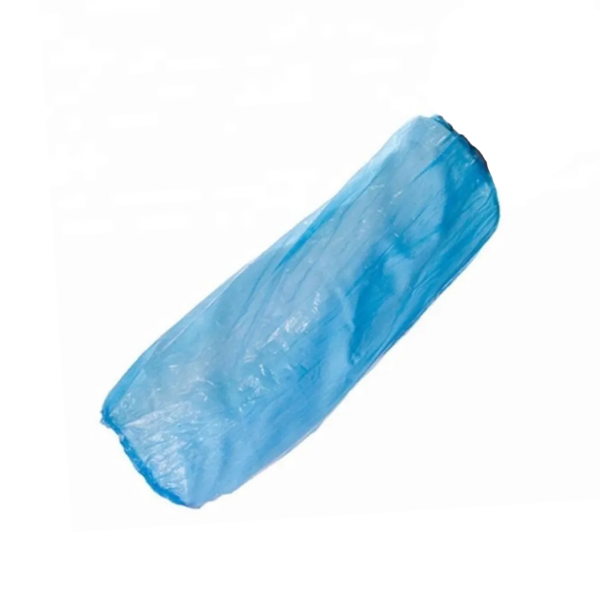
Maintaining cleanliness and preventing contamination is important in environments where hygiene standards must be followed. Shoes often carry dirt, dust, bacteria, moisture, and other unwanted particles from outdoor areas into clean spaces. A simple and effective way to reduce this problem is by using a disposable shoe cover.
Disposable shoe covers are protective coverings designed to fit over regular footwear and create a barrier between shoes and clean surfaces. They are widely used in hospitals, laboratories, food processing facilities, construction sites, cleaning services, offices, and residential areas where maintaining cleanliness is essential.
Unlike reusable footwear protection products, disposable shoe covers are designed for single use. They provide a convenient solution because users can wear them when entering controlled areas and remove them after use without requiring cleaning or maintenance.
With increasing awareness about hygiene, infection prevention, and workplace safety, disposable shoe covers have become an important part of personal protective equipment (PPE) in many industries.
What Is a Disposable Shoe Cover?
A disposable shoe cover is a single-use protective covering placed over shoes to prevent dirt, dust, liquids, and contaminants from spreading into clean areas.
These covers are usually made from materials such as polypropylene, polyethylene, or non-woven fabric. They commonly feature elastic openings that secure the cover around the ankle area, allowing users to walk comfortably while keeping their footwear covered.
Disposable shoe covers are available in different sizes, thicknesses, and designs depending on their intended purpose. Some are lightweight options for general hygiene, while others provide stronger protection against moisture, chemicals, and workplace contaminants.
They are commonly used where cleanliness is important, including medical facilities, laboratories, manufacturing areas, and homes during professional visits.
Why Are Disposable Shoe Covers Important?
Shoes come into contact with many surfaces throughout the day. Outdoor footwear can carry mud, dust, microorganisms, chemicals, and other particles that may affect cleanliness when brought indoors.
In sensitive environments, these contaminants can create hygiene concerns and increase cleaning requirements. A disposable shoe cover helps solve this problem by creating a protective layer around footwear.
The importance of disposable shoe covers includes:
- Reducing the spread of dirt and contaminants
- Maintaining cleaner indoor environments
- Supporting infection control procedures
- Protecting sensitive areas and equipment
- Improving workplace hygiene
- Reducing cleaning efforts
For businesses and individuals who prioritize cleanliness, disposable shoe covers offer a simple and affordable protective solution.
Benefits of Using Disposable Shoe Cover
1. Prevents Dirt and Dust Contamination
One of the main benefits of a disposable shoe cover is its ability to prevent dirt and dust from spreading. Shoes often collect particles from outdoor environments, which can transfer onto indoor floors.
By covering footwear, these protective covers help reduce contamination and keep areas cleaner.
This is especially useful in places where maintaining a dust-free environment is important, such as laboratories, healthcare facilities, and cleanrooms.
2. Supports Better Hygiene Practices
Disposable shoe covers support better hygiene by creating a barrier between contaminated footwear and clean surfaces.
Hospitals, clinics, and food-related businesses often use shoe covers as part of their hygiene procedures to reduce the movement of unwanted particles.
They help employees and visitors maintain cleaner environments without requiring everyone to remove their shoes.
3. Easy to Wear and Remove
Disposable shoe covers are designed for quick and convenient use. Most products feature elastic openings that allow users to easily place them over different types of footwear.
After completing a task or leaving a controlled area, users can remove and dispose of them without additional cleaning steps.
This makes them ideal for busy workplaces where efficiency is important.
4. Cost-Effective Protection
Compared with reusable shoe protection options, disposable shoe covers are affordable and require no maintenance.
Businesses can purchase them in bulk and replace them after use, eliminating the need for washing, drying, or storage management.
5. Protects Floors and Work Areas
Clean floors are important in homes, offices, healthcare facilities, and commercial spaces. Disposable shoe covers help prevent stains, footprints, and debris from being transferred onto floors.
They are commonly used during:
- Home repairs
- Equipment installation
- Cleaning services
- Property inspections
- Maintenance visits
Types of Disposable Shoe Covers
Different environments require different levels of protection. Disposable shoe covers are available in several types to meet various needs.
Polypropylene Disposable Shoe Covers
Polypropylene shoe covers are among the most common options. They are lightweight, breathable, and suitable for general applications.
They are often used in:
- Hospitals
- Laboratories
- Offices
- Cleaning services
These covers provide basic protection against dust and small particles.
Polyethylene Disposable Shoe Covers
Polyethylene shoe covers provide better resistance against moisture and liquids. They are commonly used where water protection is required.
Typical applications include:
- Food processing areas
- Cleaning operations
- Industrial environments
Anti-Skid Disposable Shoe Covers
Safety is an important consideration in workplaces with smooth or wet floors. Anti-skid disposable shoe covers include textured surfaces that improve grip and reduce slipping risks.
They are useful in:
- Hospitals
- Manufacturing facilities
- Laboratories
Heavy-Duty Disposable Shoe Covers
Heavy-duty shoe covers are designed for environments where stronger protection is required.
They are usually thicker and more durable, making them suitable for:
- Construction sites
- Industrial areas
- High-contamination environments
Materials Used in Disposable Shoe Covers
The material of a disposable shoe cover determines its comfort, durability, and protective ability.
Non-Woven Fabric
Non-woven fabric is commonly used because it is lightweight and breathable. It provides comfortable protection during extended wear.
These covers are popular in healthcare and general workplace environments.
Polyethylene Plastic
Polyethylene provides moisture resistance and is often used in environments where users may encounter liquids.
It helps prevent water and other fluids from reaching footwear.
Polypropylene
Polypropylene offers a balance between affordability, flexibility, and protection. It is one of the most widely used materials for disposable shoe covers.
Industries That Use Disposable Shoe Cover
Disposable shoe covers are used across various industries where cleanliness and contamination control are important.
Healthcare and Medical Facilities
Hospitals, clinics, dental centers, and medical laboratories use disposable shoe covers to maintain hygiene standards.
Healthcare environments require strict contamination control because bacteria and particles can create safety concerns.
Disposable shoe covers are commonly used in:
- Patient areas
- Examination rooms
- Medical laboratories
- Surgical environments
They help reduce the movement of contaminants through footwear.
Laboratories and Cleanrooms
Cleanrooms require controlled environments where dust and particles must be minimized.
Even small particles from shoes can affect sensitive processes. Disposable shoe covers help protect these areas by preventing outside contaminants from entering.
They are commonly used in:
- Pharmaceutical manufacturing
- Scientific research
- Electronics production
Food Processing and Restaurants
Food safety requires proper hygiene practices. Disposable shoe covers help prevent external contaminants from entering food preparation and production areas.
They are used by:
- Food handlers
- Kitchen workers
- Production staff
- Catering teams
Construction and Maintenance Services
Workers entering homes or commercial properties during repairs often use disposable shoe covers to prevent tracking dirt indoors.
They create a more professional experience for customers by keeping work areas cleaner.
Common uses include:
- Plumbing services
- Electrical work
- HVAC maintenance
- Home inspections
Residential Applications
Disposable shoe covers are also useful in homes. Many homeowners use them when professionals enter their property for services.
They help maintain cleanliness during:
- Renovations
- Cleaning appointments
- Appliance installation
- Repair visits
How to Choose the Right Disposable Shoe Cover
Choosing the correct disposable shoe cover depends on the environment and level of protection needed.
Consider the Material
Select the material according to your application.
For general use, polypropylene options may be suitable. For wet environments, polyethylene covers may provide better protection.
Check Size Compatibility
A good disposable shoe cover should fit different footwear sizes comfortably.
Covers that are too small may tear, while oversized covers may slip during movement.
Evaluate Durability
For demanding workplaces, choose thicker and stronger shoe covers that can withstand longer use.
Look for Safety Features
If users will walk on slippery surfaces, anti-skid disposable shoe covers provide better stability.
Consider Usage Requirements
Different industries have different needs. Healthcare, food processing, and industrial workplaces may require specific levels of protection.
Disposable Shoe Cover vs Reusable Shoe Cover
Both disposable and reusable shoe covers have their own advantages.
Disposable shoe covers are preferred when convenience and contamination control are priorities.
Reusable covers may work better in environments where cleaning systems are available.
Advantages of Disposable Shoe Covers
- No washing required
- Easy replacement
- Supports hygiene control
- Suitable for visitors
- Affordable for large-scale use
Advantages of Reusable Shoe Covers
- Can be used multiple times
- May reduce long-term waste
- Suitable where regular cleaning is possible
The best option depends on workplace requirements and hygiene standards.
How to Properly Use a Disposable Shoe Cover
Using disposable shoe covers correctly improves their effectiveness.
Follow these steps:
- Select the correct size.
- Hold the cover carefully.
- Place it over the footwear.
- Ensure the entire shoe is covered.
- Adjust the elastic area around the ankle.
- Remove and dispose of the cover after use.
Avoid touching the outer surface after use because it may contain collected contaminants.
Common Mistakes When Using Disposable Shoe Covers
Reusing Single-Use Covers
Disposable shoe covers are designed for one-time use. Reusing them can reduce protection and increase contamination risks.
Choosing Incorrect Sizes
Poorly fitted covers may tear easily or create discomfort during movement.
Using Low-Quality Products
Cheap, low-quality covers may fail to provide proper protection due to weak materials.
Incorrect Disposal
Used shoe covers should be disposed of properly according to workplace guidelines.
Why Quality Matters When Buying Disposable Shoe Cover
Choosing high-quality disposable shoe covers ensures better performance, comfort, and reliability.
Quality covers provide:
- Better durability
- Secure fitting
- Improved protection
- Comfortable use
- Consistent performance
Businesses should select products based on their specific requirements instead of focusing only on price.
Conclusion
A disposable shoe cover is a simple yet effective solution for maintaining cleanliness, reducing contamination, and improving workplace hygiene. From healthcare facilities and laboratories to homes and professional service industries, these protective covers help prevent dirt, dust, and unwanted particles from spreading.
Their affordable cost, easy application, and convenient disposal make them a practical choice for many environments. By selecting the right material, size, and design, users can achieve better protection and maintain cleaner spaces.
Whether used for professional purposes or everyday situations, disposable shoe covers provide reliable protection where hygiene and cleanliness matter.
Frequently Asked Questions (FAQs)
1. What is a disposable shoe cover used for?
A disposable shoe cover is used to protect clean areas from dirt, dust, bacteria, and contaminants carried on footwear. It is commonly used in hospitals, laboratories, offices, homes, and industrial workplaces.
2. Are disposable shoe covers waterproof?
Some disposable shoe covers are waterproof or water-resistant, especially those made from polyethylene materials. Fabric-based options may provide limited moisture protection.
3. Can disposable shoe covers be reused?
No. Disposable shoe covers are designed for single use. Reusing them can reduce hygiene effectiveness and increase contamination risks.
4. Which industries use disposable shoe covers?
Healthcare, laboratories, food processing, cleaning services, construction, manufacturing, and residential maintenance industries commonly use disposable shoe covers.
5. How do I choose the right disposable shoe cover?
Choose a disposable shoe cover based on material, size, durability, safety features, and the environment where it will be used.
6. Are disposable shoe covers safe for walking?
Yes, disposable shoe covers are safe for normal walking. Anti-skid versions are recommended for slippery surfaces to provide better grip.
7. Why are disposable shoe covers used in hospitals?
Hospitals use disposable shoe covers to reduce contamination risks and support infection prevention practices in sensitive medical areas.
8. What material is best for disposable shoe covers?
Polypropylene is commonly used for general protection, while polyethylene is preferred when moisture resistance is required. The best material depends on the intended application.