Maintaining cleanliness and preventing contamination are essential in many professional and residential environments. Shoes can carry dirt, dust, moisture, bacteria, and other unwanted particles from outdoor areas into controlled spaces. For this reason, many industries use protective footwear solutions to maintain hygiene standards and protect sensitive environments.
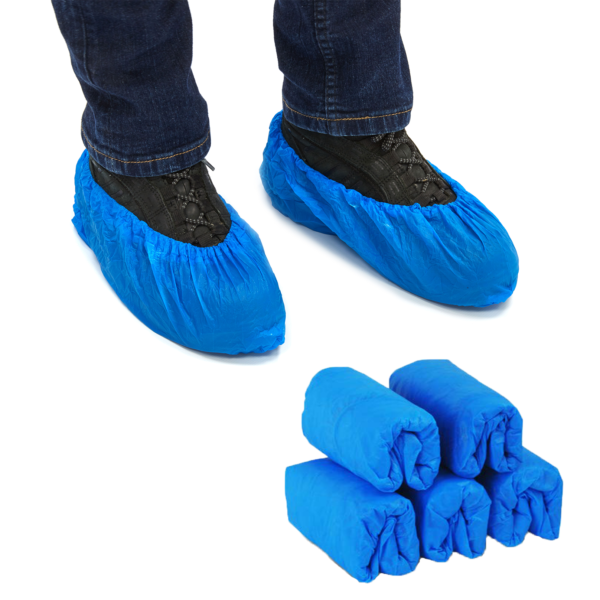
A disposable shoe cover is a simple yet effective product designed to create a barrier between footwear and clean surfaces. These lightweight protective covers are placed over regular shoes and are commonly used in healthcare facilities, laboratories, food processing areas, construction sites, cleaning services, and homes.
Disposable shoe covers offer a convenient way to reduce contamination risks without requiring expensive equipment or complicated procedures. They are affordable, easy to use, and available in different materials and designs to suit various applications.
This complete guide explains what disposable shoe covers are, their benefits, common uses, different types, buying considerations, and frequently asked questions.
What Is a Disposable Shoe Cover?
A disposable shoe cover is a single-use protective covering designed to fit over existing footwear. It acts as a protective layer that helps prevent dirt, dust, liquids, and contaminants from being transferred through shoes.
These covers are typically made from lightweight materials such as:
- Polypropylene
- Polyethylene
- Non-woven fabrics
- Waterproof materials
Most disposable shoe covers feature elastic openings that secure the cover around the shoe, helping provide a comfortable fit across different footwear sizes.
They are commonly used in environments where maintaining cleanliness and reducing contamination is important.
Why Are Disposable Shoe Covers Important?
Shoes come into contact with many surfaces throughout the day. Without protection, footwear can introduce unwanted materials into clean environments.
Disposable shoe covers help solve this problem by providing an easy protective solution.
Prevent Contamination
One of the main benefits of disposable shoe covers is their ability to reduce contamination transfer.
They help prevent the spread of:
- Dirt
- Dust
- Mud
- Germs
- Workplace contaminants
This makes them valuable in industries where hygiene control is essential.
Protect Clean Areas
Many workplaces require controlled environments where cleanliness must be maintained.
Disposable shoe covers help protect:
- Medical areas
- Laboratories
- Food preparation zones
- Cleanrooms
- Customer properties
They reduce the amount of external debris brought into these spaces.
Improve Workplace Hygiene
Using disposable shoe covers supports better hygiene practices by creating an additional protective barrier.
They are commonly included as part of workplace safety procedures in industries that require strict cleanliness standards.
Common Uses of Disposable Shoe Covers
Disposable shoe covers are used across many industries because they provide a practical and cost-effective protection method.
Healthcare and Medical Facilities
Healthcare environments require strong hygiene practices to reduce contamination risks.
Disposable shoe covers are commonly used in:
- Hospitals
- Clinics
- Dental offices
- Medical laboratories
They help maintain cleaner environments and support infection prevention procedures.
Laboratories and Cleanrooms
Laboratories often require controlled conditions where even small particles can affect processes.
Disposable shoe covers help reduce the introduction of:
- Dust particles
- External debris
- Contaminants
They are commonly used in research facilities, pharmaceutical environments, and manufacturing areas.
Food Processing and Catering
Food-related businesses must maintain strict hygiene standards.
Disposable shoe covers are used in:
- Food factories
- Commercial kitchens
- Catering facilities
- Food inspection areas
They help reduce the risk of transferring contaminants into food preparation spaces.
Construction and Renovation Services
Construction professionals often enter finished properties where protecting floors is important.
Disposable shoe covers help:
- Prevent dirt tracking
- Reduce cleaning requirements
- Protect customer floors
They are especially useful during maintenance, repairs, and renovation projects.
Cleaning and Maintenance Services
Professional cleaners and service technicians often use disposable shoe covers when entering customer properties.
They help create a cleaner and more professional service experience.
Common users include:
- Electricians
- Plumbers
- HVAC technicians
- Home inspectors
- Cleaning professionals
Residential Use
Homeowners may also use disposable shoe covers during:
- Home renovations
- Property inspections
- Repairs
- Cleaning work
They help keep indoor areas cleaner while allowing workers to move easily.
Types of Disposable Shoe Covers
Different environments require different levels of protection. Disposable shoe covers are available in several styles.
Non-Woven Disposable Shoe Covers
Non-woven shoe covers are among the most common options.
They are popular because they are:
- Lightweight
- Comfortable
- Breathable
- Affordable
They are suitable for general-purpose applications.
Waterproof Disposable Shoe Covers
Water-resistant or waterproof shoe covers provide additional protection against moisture.
They are useful in areas where exposure to:
- Water
- Liquids
- Wet surfaces
is common.
Anti-Skid Disposable Shoe Covers
Anti-skid shoe covers feature textured soles designed to improve grip.
They are useful in workplaces where slippery surfaces may create safety concerns.
Benefits include:
- Better stability
- Reduced slipping risk
- Improved worker confidence
Heavy-Duty Disposable Shoe Covers
Heavy-duty versions are designed for more demanding environments.
They provide:
- Stronger material
- Increased durability
- Better resistance to wear
They are commonly used in industrial and commercial applications.
Benefits of Using Disposable Shoe Covers
Disposable shoe covers provide several advantages for businesses and individuals.
Easy Application
Disposable shoe covers are simple to put on and remove, making them convenient for employees, visitors, and contractors.
They require no special equipment or training.
Affordable Protection
Compared with other contamination control solutions, disposable shoe covers are a low-cost option.
They provide effective protection without requiring expensive investment.
Reduces Cleaning Costs
By preventing dirt and debris from being tracked indoors, disposable shoe covers can reduce cleaning time and maintenance costs.
Supports Professional Service
Providing shoe covers shows customers that a business values cleanliness and professionalism.
This is especially important for service providers entering homes and offices.
Convenient Disposal
After use, disposable shoe covers can be removed and discarded quickly, reducing the need for cleaning and maintenance.
How to Choose the Right Disposable Shoe Cover
Selecting the right shoe cover depends on the environment and specific requirements.
Consider Material Type
Different materials provide different benefits.
Polypropylene is suitable for general protection, while polyethylene provides better moisture resistance.
Check Size and Fit
A properly fitting shoe cover should:
- Stay securely on the shoe
- Allow comfortable movement
- Avoid tearing easily
Most disposable shoe covers are designed with elastic openings to fit different shoe sizes.
Choose the Right Protection Level
Consider the workplace conditions before selecting a product.
For example:
- General cleaning may require basic protection
- Medical environments may require higher hygiene standards
- Industrial areas may need stronger materials
Consider Sole Features
If the environment includes slippery surfaces, anti-skid designs may provide additional safety.
Evaluate Packaging Options
Disposable shoe covers are available in:
- Bulk boxes
- Large packs
- Individual packages
Choose packaging based on usage frequency and storage needs.
Disposable Shoe Cover vs Reusable Shoe Protection
Businesses often compare disposable and reusable shoe protection options.
Disposable Shoe Covers
Advantages include:
- Easy replacement
- Improved hygiene control
- No washing required
- Convenient storage
They are ideal for environments requiring frequent changes.
Reusable Shoe Covers
Advantages include:
- Less waste
- Long-term use
- Suitable for controlled environments
However, they require cleaning and maintenance.
The right choice depends on workplace requirements, budget, and hygiene standards.
Environmental Considerations of Disposable Shoe Covers
Disposable products provide convenience, but sustainability is becoming increasingly important.
Many manufacturers now offer environmentally responsible options, including:
- Recyclable materials
- Reduced packaging
- More sustainable production methods
Businesses can balance hygiene requirements with environmental responsibility by selecting suitable products and managing waste properly.
Buying Disposable Shoe Covers in Bulk
Many businesses purchase disposable shoe covers in larger quantities.
Bulk purchasing provides several benefits.
Lower Costs
Buying larger quantities often reduces the cost per unit.
Reliable Stock Availability
Maintaining inventory ensures employees and visitors always have access to protective covers.
Better Supply Management
Bulk packaging makes it easier to monitor usage and plan future purchases.
Common Mistakes When Using Disposable Shoe Covers
Proper selection and usage are important for maximum effectiveness.
Using the Wrong Size
Poor-fitting covers may tear easily or become uncomfortable.
Reusing Single-Use Covers
Disposable shoe covers are designed for one-time use. Reusing them can reduce hygiene effectiveness.
Ignoring Workplace Requirements
Different industries may require specific materials or safety features.
Choosing Poor Quality Products
Low-quality shoe covers may provide insufficient protection and reduce workplace safety.
FAQs About Disposable Shoe Cover
1. What is a disposable shoe cover used for?
A disposable shoe cover is used to protect clean environments by preventing dirt, dust, moisture, and contaminants from being transferred through footwear.
2. Where are disposable shoe covers commonly used?
They are commonly used in hospitals, laboratories, food facilities, construction sites, cleaning services, and residential properties.
3. Are disposable shoe covers waterproof?
Some disposable shoe covers are water-resistant or waterproof depending on the material used. Polyethylene options generally provide better moisture protection.
4. Can disposable shoe covers fit different shoe sizes?
Yes. Most disposable shoe covers feature elastic openings that allow them to fit a range of footwear sizes.
5. Are disposable shoe covers reusable?
No. They are designed for single use to maintain hygiene and contamination control.
6. How do I choose the best disposable shoe cover?
Consider the material, size, durability, grip, protection level, and intended application before selecting a product.
7. Why do businesses use disposable shoe covers?
Businesses use them to maintain cleanliness, protect surfaces, reduce contamination risks, and provide a professional service experience.
Conclusion
A disposable shoe cover is a simple but highly effective solution for maintaining hygiene and protecting clean environments. These protective covers help prevent dirt, dust, moisture, and contaminants from spreading through footwear.
From healthcare facilities and laboratories to construction services and residential properties, disposable shoe covers provide affordable and convenient protection for many applications.
By selecting the right material, size, and design, businesses can improve cleanliness standards, protect sensitive areas, and create a safer and more professional environment.