Maintaining hygiene, safety, and infection control is a priority in healthcare facilities, laboratories, food industries, cleaning services, and many other professional environments. Workers often come into contact with liquids, contaminants, chemicals, and other materials that require additional protection.
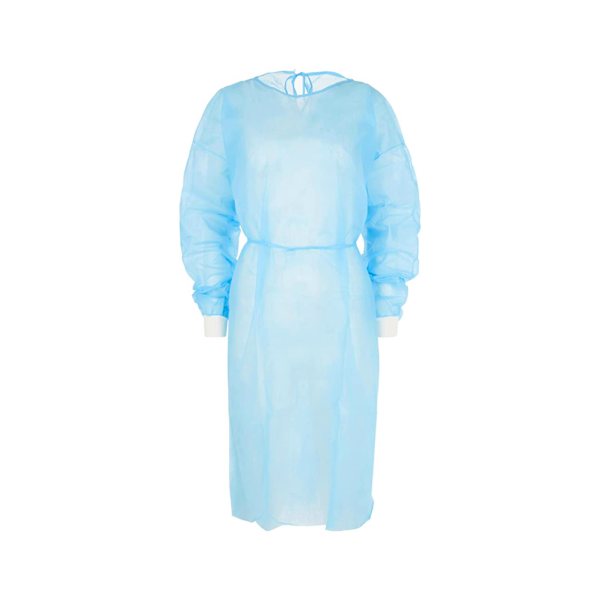
A disposable gown is an essential type of personal protective equipment (PPE) designed to protect clothing and exposed areas of the body from contamination, spills, and workplace hazards. These gowns provide a convenient single-use solution for environments where cleanliness and safety standards are critical.
From hospitals and clinics to laboratories and manufacturing facilities, disposable gowns help create safer workplaces by reducing the risk of cross-contamination and exposure. They are available in different materials, designs, and protection levels to suit various applications.
Choosing the right disposable gown requires understanding the different types available, their benefits, suitable uses, and important factors when selecting a reliable product.
This guide explains what disposable gowns are, why they are important, common applications, types of gowns, how to choose the right option, and frequently asked questions.
What Is a Disposable Gown?
A disposable gown is a single-use protective garment designed to cover the body and clothing during work activities where contamination or exposure risks may occur.
Unlike reusable gowns, disposable gowns are designed to be worn for a specific task and then discarded. This helps maintain hygiene standards and reduces the risk of transferring contaminants between different environments.
Disposable gowns commonly include features such as:
- Full front coverage
- Long sleeves
- Elastic cuffs
- Tie or snap closures
- Lightweight protective materials
- Comfortable fit for movement
They are widely used as part of PPE systems alongside gloves, masks, face shields, and other protective equipment.
Why Disposable Gowns Are Important
Protective clothing plays an important role in reducing exposure risks in professional environments.
Disposable gowns help:
- Protect clothing from contamination
- Reduce direct contact with fluids and materials
- Support infection prevention procedures
- Improve workplace hygiene
- Provide convenient protection during short-term tasks
In healthcare settings, disposable gowns help protect both workers and patients. In industrial and laboratory environments, they provide an additional protective barrier against workplace materials.
Common Materials Used for Disposable Gowns
Disposable gowns are made from different materials depending on the required level of protection, comfort, and durability.
Polypropylene Disposable Gowns
Polypropylene is one of the most common materials used for disposable gowns.
Advantages include:
- Lightweight design
- Breathability
- Comfortable wear
- Cost-effective protection
These gowns are commonly used in general healthcare, cleaning, and workplace applications.
Polyethylene Disposable Gowns
Polyethylene gowns provide water-resistant protection and are often used in environments where liquid exposure is a concern.
Common applications include:
- Food handling
- Cleaning tasks
- General protective use
SMS Disposable Gowns
SMS material combines multiple layers to provide improved protection while maintaining comfort.
Benefits include:
- Better barrier performance
- Increased durability
- Breathable construction
SMS gowns are often used in healthcare and professional environments requiring higher protection levels.
Isolation Gowns
Isolation gowns are designed to protect healthcare workers from exposure during patient care activities.
They are commonly used in:
- Hospitals
- Clinics
- Medical facilities
- Aged care environments
Surgical Gowns
Surgical gowns are designed for medical procedures where higher levels of protection and sterile conditions are required.
They are manufactured to meet specific healthcare requirements and provide coverage during surgical activities.
Common Applications of Disposable Gowns
Disposable gowns are used across many industries where protection and hygiene are important.
Healthcare and Medical Facilities
Healthcare is one of the primary industries using disposable gowns.
Doctors, nurses, and healthcare workers use gowns during:
- Patient examinations
- Medical procedures
- Infection control activities
- Clinical care
Disposable gowns help reduce contamination risks and support safer healthcare environments.
Laboratories and Research Facilities
Laboratories require protective clothing to maintain controlled environments and protect workers from exposure.
Disposable gowns help protect against:
- Biological materials
- Chemical splashes
- Sample contamination
- Workplace substances
Food Processing Industry
Food businesses use disposable gowns to maintain hygiene during food preparation and handling.
They help prevent:
- Clothing contamination
- Unwanted contact with food products
- Hygiene issues during production
Cleaning and Maintenance Services
Cleaning professionals may use disposable gowns when handling:
- Waste materials
- Cleaning chemicals
- Contaminated surfaces
They provide an additional layer of protection during demanding tasks.
Beauty and Personal Care Services
Some beauty and personal care businesses use disposable gowns to maintain cleanliness and protect clothing during treatments.
Manufacturing and Industrial Applications
Industrial workplaces may use disposable gowns where workers need protection from dust, liquids, or workplace materials.
Benefits of Using Disposable Gowns
Disposable gowns provide several important benefits for organisations and workers.
Supports Infection Control
Disposable gowns help reduce the transfer of contaminants between people, clothing, and environments.
Protects Clothing
They prevent stains, spills, and exposure from damaging uniforms and personal clothing.
Convenient Single-Use Protection
Disposable gowns eliminate the need for washing and maintenance associated with reusable garments.
Improves Workplace Safety
Protective gowns create an additional barrier between workers and potentially harmful substances.
Cost-Effective Solution
For many industries, disposable gowns provide practical protection without the costs of cleaning and managing reusable garments.
Disposable Gown Types Based on Protection Levels
Different tasks require different levels of protection.
Basic Protection Gowns
These gowns are suitable for low-risk environments where general coverage is required.
Common uses include:
- Cleaning
- Food handling
- Basic workplace protection
Fluid-Resistant Gowns
These gowns are designed for situations where workers may encounter liquid exposure.
They are commonly used in:
- Healthcare
- Laboratory environments
- Professional cleaning
High-Protection Gowns
High-protection gowns are designed for environments requiring stronger barriers.
Applications may include specialised medical and industrial settings.
How to Choose the Right Disposable Gown
Selecting the correct disposable gown requires considering several important factors.
Understand the Application
The first step is identifying where and how the gown will be used.
Consider:
- Type of exposure
- Duration of use
- Workplace requirements
- Required protection level
Select the Right Material
Different materials offer different benefits.
For example:
- Polypropylene provides lightweight comfort
- Polyethylene offers liquid resistance
- SMS provides improved protection and durability
Consider Fit and Comfort
Workers often wear protective gowns for extended periods. Comfortable designs improve productivity and reduce discomfort.
Important features include:
- Suitable sizing
- Flexible movement
- Breathable materials
- Secure closures
Check Product Quality
High-quality disposable gowns should provide:
- Reliable construction
- Consistent materials
- Proper coverage
- Secure stitching and closures
Choose a Reliable Supplier
A dependable PPE supplier ensures consistent product availability and quality.
Businesses should look for suppliers offering:
- Clear product information
- Reliable delivery
- Bulk ordering options
- Professional support
Importance of Disposable Gowns in Healthcare
Healthcare professionals rely on protective clothing to maintain safe working conditions.
Disposable gowns support healthcare safety by:
- Reducing exposure risks
- Protecting uniforms
- Supporting infection control protocols
- Providing additional coverage during procedures
They are often used together with other PPE products such as gloves, masks, and eye protection.
Disposable Gowns vs Reusable Gowns
Businesses often compare disposable and reusable gowns when selecting protective clothing.
Disposable gowns provide advantages such as:
- Easy disposal after use
- No washing requirements
- Reduced maintenance
- Convenient replacement
Reusable gowns may be suitable for certain applications but require cleaning, storage, and management.
The right choice depends on workplace requirements and safety standards.
How to Properly Use a Disposable Gown
Correct usage improves protection and effectiveness.
Wear With Clean Hands
Workers should maintain proper hand hygiene before putting on protective equipment.
Inspect Before Use
Check the gown for damage before wearing.
Secure Properly
Ensure closures are fastened correctly and sleeves provide adequate coverage.
Avoid Unnecessary Contact
Avoid touching external surfaces that may be contaminated.
Dispose Correctly
Used gowns should be removed carefully and discarded according to workplace procedures.
Storage Guidelines for Disposable Gowns
Proper storage helps maintain product quality.
Disposable gowns should be stored:
- In clean, dry areas
- Away from direct sunlight
- Away from excessive heat
- In original packaging
Correct storage prevents damage before use.
Common Mistakes When Buying Disposable Gowns
Businesses should avoid several common purchasing mistakes.
Choosing the Cheapest Option Only
Low-cost products may not provide suitable protection or durability.
Ignoring Protection Requirements
Different workplaces require different levels of protection.
Buying Incorrect Sizes
Poor fitting gowns can reduce comfort and effectiveness.
Working With Unreliable Suppliers
Unstable supply chains can create operational problems.
Benefits of Partnering With Professional PPE Suppliers
A reliable PPE supplier helps organisations maintain consistent access to protective equipment.
Professional suppliers provide:
- Quality products
- Reliable stock availability
- Bulk purchasing solutions
- Product guidance
- Delivery support
This allows businesses to maintain safety standards without supply interruptions.
The Future of Disposable Gowns
The demand for disposable protective clothing continues to grow as industries focus more on hygiene and safety.
Future trends may include:
- More sustainable materials
- Improved comfort designs
- Better protective performance
- Environmentally responsible manufacturing
Organisations are increasingly seeking products that provide effective protection while reducing environmental impact.
Frequently Asked Questions About Disposable Gowns
What is a disposable gown used for?
A disposable gown is used to protect clothing and the body from contamination, liquids, and workplace materials in healthcare, industrial, and professional environments.
Where are disposable gowns commonly used?
They are commonly used in hospitals, laboratories, food processing facilities, cleaning services, and manufacturing workplaces.
Are disposable gowns reusable?
No. Most disposable gowns are designed for single use and should be discarded after contamination or use.
What materials are disposable gowns made from?
Common materials include polypropylene, polyethylene, and SMS fabric.
Why are disposable gowns important in healthcare?
They help protect healthcare workers, support infection control procedures, and reduce contamination risks.
How do I choose the right disposable gown?
Consider the application, protection level, material, comfort, sizing, and supplier reliability.
Are disposable gowns waterproof?
Some disposable gowns provide water-resistant protection, but the level depends on the material and design.
Can disposable gowns be used in food industries?
Yes. Many food businesses use disposable gowns to support hygiene and cleanliness practices.
How should disposable gowns be stored?
Store them in a dry, clean location away from heat and direct sunlight.
Conclusion
Disposable gowns are an essential part of personal protective equipment across healthcare, food, laboratory, cleaning, and industrial environments. They provide convenient, effective protection while helping businesses maintain hygiene and workplace safety standards.
Choosing the right disposable gown requires understanding material options, protection levels, and application requirements. By working with a trusted PPE supplier and selecting quality products, organisations can create safer and more efficient working environments.
Whether used in medical facilities, commercial workplaces, or specialised industries, disposable gowns remain a valuable solution for protecting workers and maintaining professional safety standards.