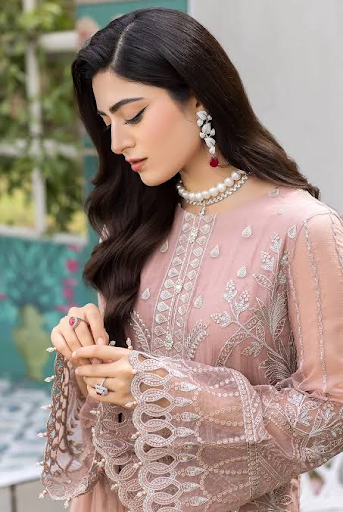
Pakistani womens clothes offer a wide range of fabrics suited to changing weather, daily routines, festive occasions, and different comfort needs. Fabric selection can greatly affect how an outfit feels and performs throughout the year. Lightweight cotton and lawn are popular during hot summer days, while khaddar, linen, and velvet provide greater warmth during cooler months. Seasonal fabric choices also influence drape, breathability, styling, and maintenance. Understanding the qualities of each material makes it easier to build a practical wardrobe for every season. From casual shalwar kameez to elegant formal dresses, the right fabric can improve comfort while maintaining a polished and culturally familiar appearance.
Summer Fabrics for Pakistani Womens Clothes
Hot and humid weather calls for fabrics that allow airflow and absorb moisture. Lightweight materials remain more comfortable for extended wear and help prevent the heavy feeling often associated with layered clothing. Cotton, lawn, cambric, and lightweight linen are among the most suitable options for summer Pakistani womens clothes.
Lawn is especially popular for warm weather because of its fine texture, light weight, and breathable construction. Printed lawn suits work well for everyday wear, while embroidered versions can add a more refined appearance without becoming excessively heavy. Cotton provides similar comfort and can be used for casual suits, kurtis, trousers, and simple two-piece outfits.
Cambric offers a slightly denser texture than lawn while remaining suitable for warm conditions. It can be useful for trousers and shirts where a little more structure is preferred. Lightweight linen also works well during dry summer weather because of its breathable nature and natural texture.
Best Summer Fabric Choices
- Lawn for lightweight everyday suits
- Cotton for breathable casual clothing
- Cambric for structured shirts and trousers
- Lightweight linen for relaxed summer outfits
- Cotton blends for easy-care daily wear
Monsoon Fabric Considerations
Monsoon weather creates a different set of clothing requirements. High humidity can make thick or slow-drying materials uncomfortable, while sudden rain can create additional maintenance concerns. Lightweight cotton and breathable blended fabrics can be practical choices during this period.
Very delicate fabrics may require extra care when exposed to moisture, while heavy embroidered materials can take longer to dry. Fabrics with moderate durability and easy washing properties are often more practical for everyday monsoon dressing. Darker prints can also be useful for casual wear because minor splashes or marks may be less noticeable.
For monsoon Pakistani womens clothes, simple designs with limited layering can improve comfort. Loose silhouettes made from breathable fabric allow better air circulation and reduce discomfort caused by humidity.
Autumn Fabric Choices for Comfortable Dressing
Autumn brings moderate temperatures, making it suitable for fabrics that offer balance between breathability and warmth. Linen, cotton blends, light khaddar, and medium-weight fabrics can work well during this transition period.
Linen provides a natural texture and can be styled for both casual and semi-formal outfits. Cotton remains useful when daytime temperatures are still warm, while slightly heavier materials become more comfortable as evenings turn cooler. Medium-weight khaddar can also be introduced gradually rather than reserved only for the coldest months.
Autumn is an ideal season for experimenting with layering. A lightweight dupatta, waistcoat, or outer layer can provide additional warmth without making an outfit feel too heavy.
Winter Fabrics for Pakistani Womens Clothes
Cold weather requires fabrics with better insulation and greater weight. Khaddar, linen, wool blends, velvet, karandi, and warm cotton fabrics are common winter choices. The best option depends on temperature, location, and the level of warmth required.
Khaddar is a traditional winter favorite because of its thicker texture and warmth. It is available in printed, plain, embroidered, and woven designs, making it suitable for both everyday and semi-formal outfits. Karandi is another popular option, offering a textured appearance with a relatively warm feel.
Velvet is generally associated with formal and festive winter clothing. Its rich surface and heavier structure make it suitable for evening events, weddings, and special occasions. Velvet shirts, shawls, and three-piece suits can create a luxurious winter appearance without relying on excessive decoration.
Wool blends are useful in colder areas where additional insulation is necessary. These materials can be incorporated into shawls, coats, sweaters, and layered outfits.
Winter Fabric Guide
- Khaddar for everyday winter suits
- Karandi for textured seasonal outfits
- Velvet for formal and festive wear
- Wool blends for colder temperatures
- Heavy cotton for practical winter clothing
- Linen blends for mild winter conditions
Fabrics for Spring Pakistani Womens Clothes
Spring offers comfortable temperatures but can include both warm afternoons and cooler mornings. Medium-weight cotton, lawn, linen, cotton blends, and light embroidered fabrics can suit this transitional season.
Pastel colors and floral prints are often associated with spring styling, although fabric remains more important for comfort than color alone. Lightweight embroidered cotton can add visual detail without the heaviness of winter fabrics. Lawn can also return to regular rotation as temperatures begin to rise.
Layering remains useful during early spring. A lightweight shawl or dupatta can provide warmth during cooler periods and can be removed when temperatures increase.
Fabric Selection for Festive and Formal Wear
Seasonal comfort becomes particularly important when selecting Pakistani womens clothes for weddings, Eid celebrations, parties, and formal gatherings. Fabric affects both the appearance and practicality of an outfit.
Chiffon is frequently used for dupattas and formal layers because of its lightweight, flowing appearance. Silk and satin can provide a smooth and elegant finish, while velvet works particularly well for winter events. Organza is useful for structured dupattas, sleeves, and decorative elements, although excessive layering may feel uncomfortable in warmer weather.
For summer weddings, lightweight chiffon, silk blends, lawn-based formal suits, and breathable fabrics can help balance elegance with comfort. Winter events allow greater flexibility with velvet, heavier silk, brocade, karandi, and embellished fabrics.
How Fabric Weight Affects Comfort
Fabric weight plays an important role in seasonal clothing. A lightweight fabric generally provides better airflow, while heavier fabric tends to offer more warmth and structure. However, fabric weight alone does not determine comfort.
Weave, fiber composition, finishing, and garment construction also influence how material feels against the skin. A loosely woven cotton may feel cooler than a tightly woven material of similar weight. Likewise, a lined formal outfit can feel considerably warmer than an unlined version made from the same outer fabric.
For everyday clothing, breathable construction and comfortable movement are usually more important than decorative details. Formal clothing can tolerate heavier materials when the occasion and weather allow suitable styling.
Fabric Care Tips for Seasonal Clothing
Proper care helps preserve the appearance and usefulness of Pakistani womens clothes throughout the year. Different fabrics require different washing, drying, ironing, and storage methods.
Cotton and lawn often tolerate regular washing, although strong detergents and excessive heat can affect color and fabric strength. Delicate materials such as chiffon, silk, velvet, and heavily embellished fabrics may require gentler handling. Velvet should generally be protected from unnecessary crushing, while embroidered clothing benefits from careful storage to prevent thread or embellishment damage.
Seasonal clothing should also be stored according to fabric needs. Winter garments require clean, dry storage before being packed away for warmer months. Breathable storage bags can help protect delicate fabrics from dust and moisture.
How to Build a Seasonal Fabric Wardrobe
A practical wardrobe does not need a large number of outfits for every temperature. A balanced selection of fabrics can provide flexibility throughout the year. Several lightweight cotton or lawn suits can cover everyday summer needs, while a few medium-weight outfits can transition into spring and autumn.
Winter wardrobes can include khaddar or karandi for regular wear and velvet or heavier fabrics for formal occasions. Neutral-colored dupattas and versatile outer layers can also extend the use of existing outfits across different seasons.
Fabric selection should also consider lifestyle. Office clothing may require easy-care materials, while festive wardrobes can include delicate fabrics that require more maintenance. Climate, daily activity, washing facilities, and personal comfort all influence the most practical choices.
Final Thoughts on Seasonal Fabric Selection
The right fabric can make Pakistani womens clothes more comfortable, practical, and suitable for different occasions throughout the year. Lawn and cotton remain strong choices for summer, while linen and medium-weight materials suit transitional seasons. Khaddar, karandi, velvet, and wool blends provide greater warmth during winter. Fabric weight, breathability, durability, and care requirements should all be considered before purchasing or styling an outfit. A thoughtful seasonal wardrobe can combine traditional Pakistani clothing with practical comfort, allowing each fabric to perform according to the weather and occasion.
Why Filhaal UK Is a Useful Destination for Pakistani Womens Clothes
Filhaal UK provides access to Pakistani womens clothes with a focus on traditional styles, seasonal fabrics, and contemporary fashion needs. A selection that includes different materials and outfit styles can make seasonal wardrobe planning more convenient. Lawn and cotton options are suitable for warmer periods, while heavier fabrics can support colder-season dressing. Traditional designs combined with modern cuts also allow Pakistani fashion to remain suitable for different occasions in the UK. For shoppers seeking culturally familiar clothing with seasonal versatility, Filhaal UK can be a useful destination for exploring Pakistani-inspired womenswear and building a wardrobe suited to changing weather.
Read More