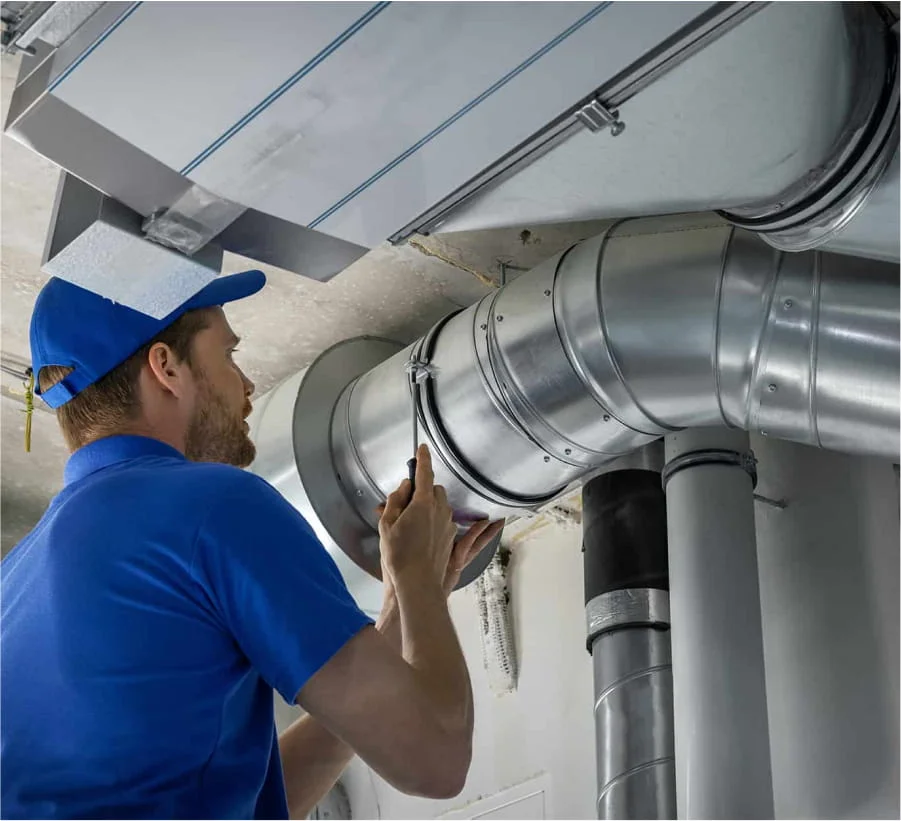
Your home’s comfort and energy efficiency heavily rely on your HVAC system. While many homeowners focus on the AC unit itself, the ductwork — the hidden channels that deliver cooled air to every room — is just as crucial. Over time, ducts can deteriorate, leak, or become damaged, reducing airflow, increasing energy bills, and compromising indoor air quality. This is where air conditioning duct replacement becomes essential.
In this guide, we’ll cover everything from recognizing when replacement is necessary, understanding costs, choosing the right materials, and working with professionals to ensure your system operates efficiently and safely.
What Is Air Conditioning Duct Replacement?
Air conditioning duct replacement involves removing old, worn, or damaged ductwork and installing new ducts that efficiently transport conditioned air throughout your home. The process can be partial (replacing only damaged sections) or full (replacing the entire duct system).
Modern ductwork is designed for maximum airflow, energy efficiency, and durability. Whether your ducts are leaking, poorly insulated, or contaminated, replacing them can improve system performance and comfort.
Why Air Conditioning Duct Replacement Is Important
Ignoring duct issues can lead to numerous problems:
- Energy Waste – Leaky or inefficient ducts force your AC to work harder, increasing energy bills.
- Poor Air Quality – Dust, allergens, and mold can accumulate in damaged ducts.
- Uneven Temperature – Some rooms may remain too warm or too cold.
- Increased Wear on HVAC System – Overworking the AC can shorten its lifespan.
Investing in air conditioning duct replacement ensures consistent airflow, energy efficiency, and better indoor air quality.
Signs You Need Air Conditioning Duct Replacement
Recognizing the need for duct replacement early can prevent costly damage. Look for these signs:
1. Uneven Cooling or Heating
If certain rooms are consistently warmer or cooler, your ducts may be leaking, blocked, or disconnected.
2. Rising Energy Bills
Unexpected increases in electricity or gas bills can indicate your AC is compensating for inefficient ductwork.
3. Visible Duct Damage
Cracks, holes, or disconnected sections in the ductwork are clear signs that replacement may be necessary.
4. Excess Dust or Allergens
If your home is dustier than usual or family members are experiencing allergies, compromised ducts may be circulating contaminants.
5. Age of the System
Ducts over 15–20 years old often experience material fatigue and may need full replacement.
Common Causes of Duct Damage
Understanding the causes helps prevent premature failure:
- Age and Wear – Over time, materials deteriorate due to temperature fluctuations and constant airflow.
- Poor Installation – Improperly sealed or sized ducts can develop leaks or disconnect.
- Moisture and Mold – Humid conditions or leaks can create mold inside ducts.
- Pest Damage – Rodents and insects can chew through flexible ducts.
- Physical Damage – Renovations or structural shifts may damage ductwork.
Types of Air Conditioning Duct Replacement
1. Partial Replacement
Only the damaged sections are replaced, which is faster and more affordable. Ideal for isolated issues like leaks or blockages.
2. Full Replacement
All ducts are replaced, often recommended for older systems, widespread damage, or when installing a new HVAC unit.
3. Insulated Duct Replacement
Adding or replacing insulation improves energy efficiency, maintains temperature, and reduces noise.
Materials Used in Duct Replacement
The right material ensures longevity and efficiency:
- Galvanized Steel – Durable and resistant to corrosion.
- Aluminum – Lightweight and corrosion-resistant.
- Flexible Plastic or Fiberglass – Easy to install in tight spaces but less durable.
- Fiberglass-Lined Ducts – Provides insulation and noise reduction.
A professional HVAC contractor can recommend the best material based on your home’s size, layout, and system requirements.
How Air Conditioning Duct Replacement Works
A typical professional air conditioning duct replacement involves:
1. Inspection
Technicians inspect the existing ducts using cameras, airflow tests, and leak detection tools.
2. Planning
A detailed plan ensures correct sizing, layout, and material selection for optimal airflow.
3. Removal
Old or damaged ducts are removed carefully to avoid dust and debris contamination.
4. Installation
New ducts are installed, sealed, and insulated to prevent leaks and ensure efficiency.
5. Testing
Airflow and system performance are tested to confirm the ducts are working as intended.
DIY vs. Professional Replacement
DIY Considerations
- Minor repairs like sealing small leaks or reattaching loose ducts can be done at home.
- Requires knowledge of airflow principles, duct sizing, and proper sealants.
Professional Replacement
- Full system inspection and design for optimal performance.
- Proper sealing and insulation using professional-grade materials.
- Mold removal and air quality improvement.
- Long-term energy savings and reduced HVAC strain.
Professional replacement ensures efficiency, safety, and compliance with building codes.
Cost of Air Conditioning Duct Replacement
Costs vary based on home size, extent of replacement, materials, and accessibility:
- Partial Replacement: $600–$1,500
- Full Replacement: $2,000–$5,000+
- Insulation Upgrades: $1–$3 per square foot
Investing early prevents higher future costs and ensures consistent comfort and efficiency.
Benefits of Air Conditioning Duct Replacement
- Lower Energy Bills – Efficient ducts reduce wasted energy.
- Improved Comfort – Balanced airflow keeps every room at the desired temperature.
- Enhanced Air Quality – Sealed ducts prevent dust, allergens, and pollutants.
- Reduced HVAC Strain – System runs efficiently, reducing repairs and maintenance.
- Longevity – Proper ducts extend the lifespan of your HVAC unit.
Maintenance After Replacement
To protect your investment:
- Regular Inspections – Annual checks detect leaks or damage.
- Filter Replacement – Change filters every 1–3 months.
- Keep Vents Clear – Avoid blocking airflow with furniture or curtains.
- Professional Cleaning – Deep clean ducts every 3–5 years.
- Seal Minor Leaks Promptly – Prevents bigger problems later.
Choosing the Right Air Conditioning Duct Replacement Service
Factors to consider:
- Experience – Certified technicians with proven duct replacement experience.
- Reputation – Positive reviews, testimonials, and references.
- Warranty – Guarantees on labor and materials.
- Transparent Pricing – Clear, itemized quotes without hidden fees.
- Advanced Tools – Use of cameras, airflow meters, and professional sealants.
A qualified professional ensures proper installation and system optimization.
Common Questions About Air Conditioning Duct Replacement
Q1: How long does duct replacement take?
Minor replacement may take a few hours, full replacement 1–3 days depending on home size.
Q2: Will it improve AC efficiency?
Yes, proper ductwork reduces energy consumption and improves airflow.
Q3: Is it messy?
Professionals minimize dust and debris using covers and vacuums during installation.
Q4: How often should ducts be replaced?
Ducts last 15–25 years; however, damage or mold can require earlier replacement.
Modern Trends in Duct Replacement
- Smart HVAC Systems – Monitor airflow, detect leaks, and optimize performance.
- Eco-Friendly Materials – Sustainable ducts with improved insulation reduce energy use.
- Advanced Sealants – Long-lasting mastic and metal tapes prevent leaks.
- UV Light Sanitization – Eliminates bacteria and mold inside ducts.
These innovations make modern air conditioning duct replacement more effective, efficient, and healthy for your home.
Conclusion
Air conditioning ducts are essential for a comfortable, energy-efficient, and healthy home. Ignoring duct problems can lead to high energy bills, poor air quality, and inconsistent temperature control.
Timely air conditioning duct replacement ensures:
- Improved airflow and energy efficiency
- Enhanced indoor air quality
- Reduced HVAC strain and longer lifespan
- Consistent comfort throughout your home
Whether it’s a partial replacement for a few damaged sections or a full system upgrade, investing in air conditioning duct replacement is a smart choice for homeowners seeking comfort, efficiency, and peace of mind.