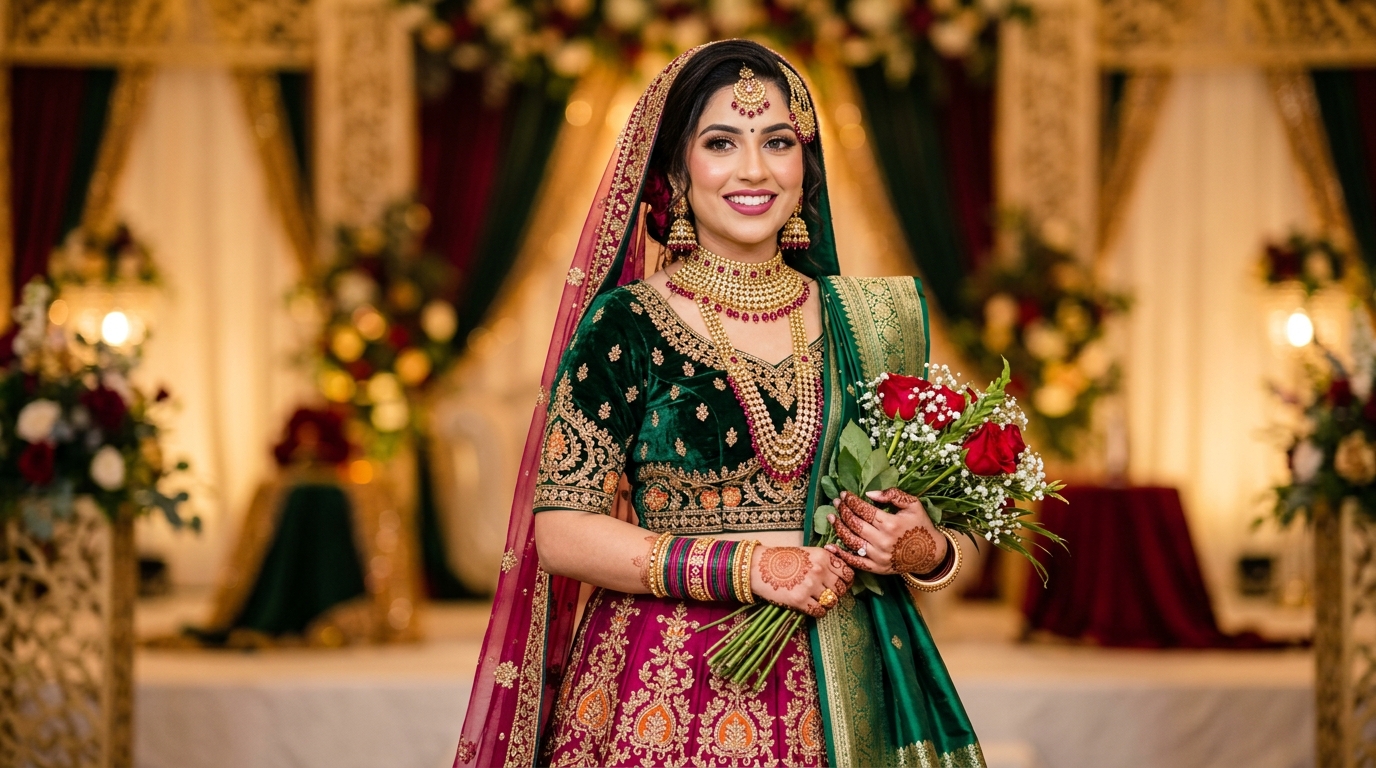
Color combinations play an important role in bridal fashion. A bridal outfit may have beautiful embroidery and rich fabric, but without the right color balance, the overall appearance can feel dull or overly heavy. Contrast colors help create a fresh and elegant bridal look by adding depth, visibility, and charm to the dress. Whether the outfit is traditional or modern, the correct contrast can improve every detail of the design.
Many brides prefer soft tones while others choose bold shades for a stronger appearance. Both styles can work beautifully when contrast colors are selected carefully. Bridal styling is not only about wearing expensive fabrics or heavy embellishments. It is also about choosing shades that highlight the dress, makeup, jewelry, and overall personality.
Design houses such as Rizwan Beyg Design are known for creating bridal dresses where color combinations, embroidery, and fabric details work together in a balanced way.
Understanding Contrast Colors in Bridal Fashion
Contrast colors are shades that stand apart from each other while still creating harmony. In bridal styling, these combinations are used to make embroidery visible, create focus points, and improve the overall outfit presentation.
Why Contrast Colors Matter
A bridal dress with proper contrast can:
- Highlight embroidery work
- Make borders and dupattas stand out
- Improve bridal photography
- Add freshness to traditional designs
- Create balance between jewelry and outfit
Without contrast, even expensive bridal wear can appear flat. Proper color styling helps every design detail become more noticeable.
Choosing Contrast Colors Based on Skin Tone
Not every color combination suits every bride. The right contrast should complement the bride’s complexion.
Fair Skin Tones
Fair skin tones often pair well with deeper and richer shades such as:
- Maroon with gold
- Emerald green with beige
- Navy blue with silver
- Deep red with ivory
These combinations create a graceful bridal appearance without overpowering facial features.
Medium Skin Tones
Medium skin tones work beautifully with warm and earthy contrasts such as:
- Rust with mustard
- Olive green with peach
- Plum with pink
- Chocolate brown with gold
These shades add warmth while keeping the outfit elegant.
Dusky Skin Tones
Dusky complexions often look attractive in vibrant contrasts such as:
- Royal blue with silver
- Magenta with gold
- Orange with green
- Black with maroon
Bright combinations help bring richness and visibility to the overall look.
Popular Contrast Color Combinations for Bridal Dresses
Different bridal themes require different color pairings. Some combinations remain timeless because they work well in almost every wedding season.
Red and Gold
This remains one of the most popular bridal combinations. Gold embroidery on a deep red outfit creates a traditional bridal appearance suitable for classic wedding events.
Ivory and Maroon
Ivory paired with maroon creates a soft yet rich bridal look. This combination works especially well for daytime weddings.
Green and Pink
Green and pink create freshness and are commonly used in mehndi and festive bridal events. These shades work beautifully with floral jewelry and outdoor décor.
Black and Gold
Black bridal styling has become popular for reception events and formal wedding functions. Gold detailing keeps the outfit luxurious without making it overly dark.
Blue and Silver
Silver embellishments on blue fabric create a refined and graceful look. This combination is often used for modern bridal styling.
Using Contrast Colors in Dupattas
The dupatta is one of the most important parts of bridal styling. A contrast dupatta can completely change the appearance of a bridal outfit.
Contrasting Dupatta Borders
A heavily embroidered border in a contrasting shade creates definition and makes the dupatta more noticeable in photographs.
Double Dupatta Styling
Many brides now wear double dupattas with different shades. For example:
- Red dress with pink and gold dupattas
- Ivory outfit with maroon net dupatta
- Green bridal dress with mustard dupatta
This styling technique creates layers and richness without making the dress look overcrowded.
Contrast Colors in Embroidery Work
Embroidery becomes more visible when the threadwork contrasts properly with the base fabric.
Gold Embroidery on Dark Fabrics
Dark fabrics such as maroon, navy blue, and bottle green look luxurious with gold embroidery because the detailing becomes more prominent.
Silver Work on Cool Tones
Silver embroidery works beautifully on shades such as blue, grey, lavender, and icy pink.
Multi-Color Embroidery
Some bridal dresses use multiple thread colors to create depth. However, too many shades can make the design appear busy. Balance is important.
Balancing Jewelry with Outfit Contrast
Bridal jewelry should support the dress instead of competing with it.
Gold Jewelry Styling
Gold jewelry pairs best with warm bridal shades such as:
- Red
- Mustard
- Orange
- Maroon
Silver Jewelry Styling
Silver or diamond jewelry works better with cool shades such as:
- Blue
- Grey
- White
- Lavender
Avoid Overcrowding Colors
If the bridal outfit already includes strong contrast shades, heavy colorful jewelry may create visual confusion. Simpler accessories often work better with vibrant dresses.
Seasonal Contrast Color Trends
Wedding seasons also influence bridal color choices.
Summer Weddings
Summer bridal styling usually includes lighter contrasts such as:
- Peach with mint green
- Ivory with gold
- Powder pink with silver
These shades feel soft and comfortable for daytime functions.
Winter Weddings
Winter weddings often feature rich and darker combinations such as:
- Maroon with gold
- Emerald with bronze
- Navy with silver
These colors match the mood and atmosphere of colder wedding seasons.
Makeup and Contrast Color Coordination
Bridal makeup should complement outfit colors.
Warm-Tone Dresses
Warm bridal shades pair well with:
- Golden highlighter
- Brown eye makeup
- Warm nude lipstick
Cool-Tone Dresses
Cool shades usually work better with:
- Silver eye makeup
- Pink blush tones
- Soft berry lip shades
Balanced makeup helps the outfit appear more refined.
Common Mistakes in Contrast Bridal Styling
Using Too Many Bold Colors
Too many bright shades in one outfit can create imbalance. It is better to keep one primary color and one or two supporting shades.
Ignoring Fabric Texture
Some fabrics absorb colors differently. Velvet appears richer in darker tones while organza often looks better in softer shades.
Mismatched Accessories
Shoes, handbags, and jewelry should support the bridal palette rather than introduce unrelated colors.
Conclusion
Contrast colors help bring life and elegance to bridal outfits. The right combinations improve embroidery visibility, enhance photographs, and create balance throughout the bridal look. From dupattas to jewelry styling, every element works better when shades are selected carefully.
A successful bridal outfit does not depend only on heavy embellishments. Color harmony plays an equally important role. Whether the bride prefers traditional reds or modern pastel shades, proper contrast styling can make the entire appearance more graceful and memorable.