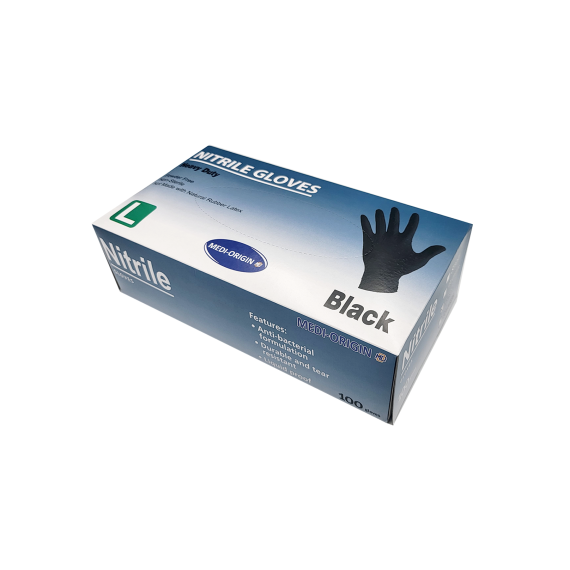
In today’s healthcare environment, Medical PPE supplies play a critical role in protecting frontline workers, patients, and healthcare facilities from infectious diseases, contaminants, and hazardous biological exposure. From hospitals and clinics to laboratories and emergency response teams, personal protective equipment (PPE) is no longer optional—it is an essential part of modern medical safety protocols.
This comprehensive guide explains what medical PPE supplies are, their types, how they are used, compliance standards, and how healthcare organizations can choose the right products for maximum safety and cost efficiency.
Understanding Medical PPE Supplies
Medical PPE supplies refer to protective gear designed to create a barrier between healthcare workers and harmful biological agents, chemicals, and infectious materials. These supplies are used in environments where exposure to blood, bodily fluids, airborne pathogens, or hazardous substances is possible.
The primary goal of PPE is simple: reduce risk of infection and ensure safe patient care while protecting medical staff.
Common settings where PPE is essential include:
- Hospitals and emergency rooms
- Surgical theaters
- Dental clinics
- Laboratories and diagnostic centers
- Aged care and nursing homes
- Ambulance and emergency response units
Why Medical PPE Supplies Are Essential
The importance of Medical PPE supplies has increased significantly due to global health challenges such as COVID-19, influenza outbreaks, and emerging infectious diseases.
1. Infection Prevention
PPE minimizes the risk of transmission of viruses and bacteria between healthcare workers and patients.
2. Occupational Safety
Healthcare professionals are frequently exposed to hazardous environments. PPE acts as the first line of defense.
3. Regulatory Compliance
Health authorities such as OSHA, WHO, and CDC require proper PPE usage in clinical environments.
4. Patient Protection
PPE also protects patients, especially those with weakened immune systems.
5. Operational Continuity
When staff remain safe, healthcare systems continue functioning without disruption.
Types of Medical PPE Supplies
There are several categories of Medical PPE supplies, each designed for specific levels of protection and medical situations.
1. Face Masks and Respirators
Face protection is one of the most commonly used forms of PPE in healthcare settings.
Surgical Masks
- Protect against droplets and splashes
- Used during general medical procedures
- Loose-fitting but effective for short-term use
N95 Respirators
- Filter at least 95% of airborne particles
- Tight-fitting and designed for airborne infection control
- Used in high-risk environments such as ICUs
KN95 Masks
- Similar filtration efficiency to N95
- Widely used as a cost-effective alternative
2. Gloves
Medical gloves are essential for preventing direct contact with infectious materials.
Types of Gloves:
- Latex gloves (high elasticity and comfort)
- Nitrile gloves (chemical resistance and durability)
- Vinyl gloves (cost-effective for low-risk procedures)
Gloves are typically single-use and must be changed between patients.
3. Protective Gowns and Coveralls
Gowns protect healthcare workers from fluid exposure and contamination.
Types:
- Isolation gowns
- Surgical gowns
- Disposable coveralls
High-risk procedures often require fluid-resistant or impermeable gowns.
4. Eye and Face Protection
Eyes are vulnerable entry points for infections.
PPE Includes:
- Safety goggles
- Face shields
- Full-face protection visors
These are essential during procedures involving splashes or aerosols.
5. Head Covers and Shoe Covers
Though often overlooked, these supplies reduce contamination risks in sterile environments.
- Bouffant caps prevent hair contamination
- Shoe covers prevent floor-to-clinic contamination transfer
6. Full Body Protection Kits
Used in extreme risk environments such as infectious disease wards.
These kits may include:
- Full-body coveralls
- Respiratory protection
- Sealed seams
- Integrated hood and boots
Standards and Certification for Medical PPE Supplies
To ensure safety and effectiveness, Medical PPE supplies must meet strict regulatory standards.
Key Standards Include:
- FDA Approval (U.S.) – Ensures medical-grade quality
- CE Certification (Europe) – Confirms compliance with EU safety standards
- ISO Standards – Quality management and manufacturing safety
- NIOSH Approval – Specifically for respirators like N95
Healthcare organizations should always verify certification before procurement.
How to Choose the Right Medical PPE Supplies
Selecting the right PPE depends on risk level, medical environment, and budget.
1. Assess Risk Level
- Low risk: basic masks and gloves
- Medium risk: gowns + masks + gloves
- High risk: respirators + full protective kits
2. Consider Comfort and Fit
Poorly fitting PPE reduces effectiveness and increases risk.
3. Check Material Quality
- Breathability
- Tear resistance
- Fluid resistance
4. Evaluate Supplier Reliability
Choose suppliers with consistent stock availability and certification transparency.
5. Cost vs Safety Balance
Cheaper PPE may reduce safety; always prioritize compliance.
Medical PPE Supply Chain Challenges
The global demand for Medical PPE supplies has exposed weaknesses in supply chains.
Common Issues:
- Shortages during pandemics
- Price fluctuations
- Quality inconsistencies
- Shipping delays
- Dependence on international manufacturers
Solutions:
- Diversified supplier base
- Local manufacturing support
- Strategic stockpiling
- Digital inventory tracking systems
Importance of PPE Training in Healthcare
Even high-quality PPE is ineffective without proper usage.
Healthcare organizations must train staff on:
- Correct donning and doffing procedures
- Disposal of contaminated PPE
- Hand hygiene before and after use
- Equipment reuse policies (if applicable)
Improper removal of PPE is one of the highest contamination risks
Sustainability in Medical PPE Supplies
With increased PPE usage, environmental concerns have grown.
Sustainable Practices Include:
- Biodegradable PPE materials
- Reusable protective gear (where safe)
- Recycling programs for medical waste
- Reduced plastic packaging
Balancing safety and sustainability is becoming a priority in modern healthcare systems.
Future of Medical PPE Supplies
The future of Medical PPE supplies is evolving rapidly with innovation in materials and design.
Key Trends:
- Antimicrobial fabrics
- Smart PPE with sensors (temperature, contamination detection)
- Lightweight breathable respirators
- AI-driven PPE demand forecasting
- Eco-friendly disposable materials
These innovations aim to improve both safety and comfort while reducing environmental impact.
Best Practices for Managing PPE Inventory
Healthcare facilities should implement structured inventory systems.
Recommendations:
- Maintain minimum stock levels
- Track expiry dates of PPE items
- Rotate stock using FIFO method
- Use digital procurement systems
- Conduct regular audits
Proper inventory management prevents shortages during emergencies.
Conclusion
Medical PPE supplies are a cornerstone of modern healthcare safety systems. They protect healthcare workers, patients, and medical environments from infectious risks and hazardous exposure. As healthcare demands continue to evolve, the importance of high-quality, certified, and properly used PPE becomes even more critical.
Organizations that invest in reliable PPE procurement, training, and inventory management not only ensure compliance but also strengthen overall healthcare resilience.
FAQs About Medical PPE Supplies
1. What are Medical PPE supplies?
Medical PPE supplies are protective equipment used in healthcare settings to prevent exposure to infectious materials and ensure safety for medical staff and patients.
2. What are the most commonly used PPE items?
The most common items include gloves, masks, gowns, face shields, and respirators such as N95 masks.
3. Are all PPE products reusable?
No. Many PPE items like gloves and surgical masks are single-use, while some face shields and gowns may be reusable depending on material.
4. How do I know if PPE is certified?
Check for certifications such as FDA approval, CE marking, ISO compliance, or NIOSH approval for respirators.
5. Why is PPE important in hospitals?
PPE reduces the risk of infection, protects healthcare workers, and helps maintain safe patient care environments.
6. What is the difference between surgical masks and N95 respirators?
Surgical masks protect against droplets, while N95 respirators filter airborne particles and offer higher protection.
7. How should PPE be disposed of?
Used PPE should be disposed of in designated medical waste bins according to hospital infection control guidelines.