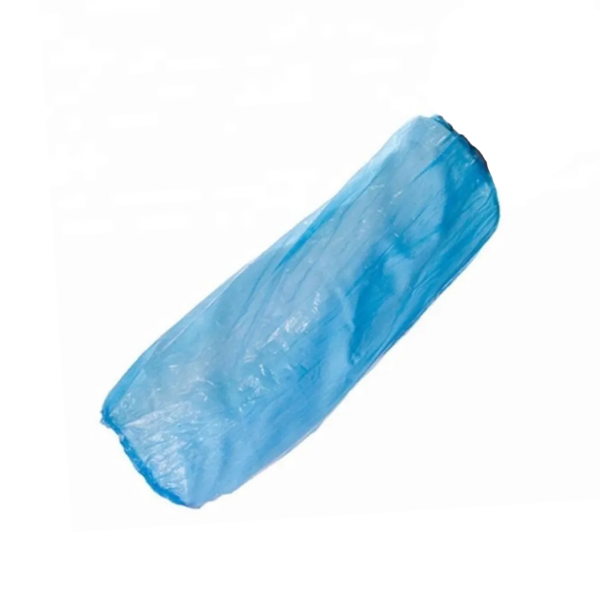
The demand for Disposable sleeve covers has grown rapidly across healthcare, food processing, laboratories, cleanrooms, and industrial environments. These simple yet highly effective protective accessories play a crucial role in maintaining hygiene, preventing contamination, and ensuring workplace safety.
Disposable sleeve covers are designed to protect the forearms and sleeves of workers from exposure to liquids, chemicals, dust, and biological contaminants. In industries where cleanliness and safety are essential, they are considered an important part of personal protective equipment (PPE).
As global standards for hygiene and contamination control continue to rise, businesses are increasingly adopting disposable protective clothing solutions. Sleeve covers, in particular, offer a cost-effective and practical way to enhance safety without compromising comfort or efficiency.
This guide provides a complete overview of disposable sleeve covers, including their types, materials, benefits, applications, and how to choose the right product for your needs.
What Are Disposable Sleeve Covers?
Disposable sleeve covers are lightweight protective garments worn over the arms and sleeves to prevent contamination and exposure to hazardous substances. They are typically made from nonwoven or plastic-based materials and are designed for single-use applications.
They are commonly used in environments where:
- Hygiene is critical
- Contamination must be controlled
- Exposure to liquids or chemicals is possible
- Protective clothing is required by regulations
Disposable sleeve covers are easy to wear, cost-effective, and eliminate the need for laundering or reuse.
Importance of Disposable Sleeve Covers
Disposable sleeve covers are essential in maintaining safety and hygiene across multiple industries.
1. Contamination Control
They prevent dirt, bacteria, and harmful particles from contaminating sterile environments.
2. Worker Protection
They protect the forearms from chemicals, liquids, and biological hazards.
3. Regulatory Compliance
Many industries require PPE compliance, including sleeve protection.
4. Operational Efficiency
Since they are disposable, they eliminate washing and maintenance requirements.
5. Cost-Effective Safety Solution
They offer an affordable way to maintain hygiene standards without investing in reusable garments.
Materials Used in Disposable Sleeve Covers
Disposable sleeve covers are manufactured using various materials depending on the level of protection required.
1. Polypropylene (PP)
- Lightweight and breathable
- Common in general-purpose sleeve covers
- Suitable for low-risk environments
2. Spunbond Meltblown Spunbond (SMS)
- Multi-layered material
- Better fluid and particle resistance
- Used in healthcare and food industries
3. Polyethylene (PE)
- Waterproof material
- Provides strong liquid protection
- Common in cleaning and industrial environments
4. Microporous Film
- High barrier protection
- Resistant to chemicals and fine particles
- Used in laboratories and cleanrooms
5. Nonwoven Fabric Blends
- Combination of fibers for durability and comfort
- Used in moderate-risk environments
Key Features of Disposable Sleeve Covers
Disposable sleeve covers are designed to provide a balance between protection and comfort.
1. Lightweight Design
Ensures ease of movement during work.
2. Elastic Bands
Secure fit at both ends to prevent slipping and exposure.
3. Breathability
Allows airflow to reduce heat buildup during long use.
4. Fluid Resistance
Protects against splashes and light liquid exposure.
5. Flexible Fit
Designed to accommodate different arm sizes comfortably.
Types of Disposable Sleeve Covers
Different types of sleeve covers are available depending on industry requirements.
1. Standard Sleeve Covers
- Made from lightweight polypropylene
- Suitable for general hygiene protection
- Used in food and light industrial environments
2. Waterproof Sleeve Covers
- Made from polyethylene
- Provide strong liquid protection
- Common in cleaning and sanitation work
3. Chemical-Resistant Sleeve Covers
- Designed for laboratory and industrial use
- Protect against hazardous substances
4. Anti-Static Sleeve Covers
- Used in electronics and cleanrooms
- Prevent static electricity buildup
5. Heavy-Duty Sleeve Covers
- Enhanced durability and strength
- Used in industrial manufacturing and chemical handling
Applications of Disposable Sleeve Covers
Disposable sleeve covers are used in a wide range of industries where hygiene and protection are critical.
Healthcare Industry
- Hospitals
- Clinics
- Laboratories
- Emergency care units
They help maintain sterile conditions and prevent contamination.
Food Processing Industry
- Meat processing plants
- Bakery and dairy production
- Food packaging facilities
They ensure hygiene compliance and food safety standards.
Pharmaceutical Industry
- Drug manufacturing
- Research laboratories
- Cleanroom environments
They protect products and processes from contamination.
Industrial and Manufacturing Sector
- Assembly lines
- Chemical plants
- Automotive manufacturing
They protect workers from exposure to oils, dust, and chemicals.
Cleaning and Sanitation Services
- Janitorial work
- Industrial cleaning
- Waste management
They protect arms from harsh cleaning chemicals and liquids.
Electronics and Cleanrooms
- Semiconductor manufacturing
- Microelectronics assembly
Anti-static sleeve covers are essential in these environments.
Benefits of Disposable Sleeve Covers
1. High Hygiene Standards
Single-use design prevents cross-contamination.
2. Cost Efficiency
No laundering or maintenance required.
3. Easy to Use
Quick to wear and remove during operations.
4. Lightweight Comfort
Allows workers to perform tasks without restriction.
5. Enhanced Workplace Safety
Protects against chemical, liquid, and biological exposure.
6. Regulatory Compliance
Meets industry hygiene and PPE requirements.
Disposable Sleeve Covers vs Reusable Sleeve Covers
Disposable Sleeve Covers
- Single-use
- High hygiene level
- No washing required
- Cost-effective for high turnover environments
Reusable Sleeve Covers
- Long-term use
- Requires cleaning and maintenance
- Higher upfront cost
- Suitable for controlled environments
Disposable sleeve covers are preferred in industries where contamination control is a top priority.
How to Choose the Right Disposable Sleeve Covers
1. Risk Level of Environment
Determine whether protection is needed against dust, liquids, or chemicals.
2. Material Type
Choose PP for light use, PE for waterproof protection, and SMS for higher safety.
3. Length and Coverage
Ensure proper arm coverage depending on task requirements.
4. Elastic Strength
Strong elastic ends ensure secure fit and prevent exposure.
5. Breathability
Important for long working hours to prevent discomfort.
6. Compliance Standards
Check for industry certifications such as ISO or CE depending on application.
Safety Considerations
Proper Usage
- Always ensure correct fit
- Replace after single use
- Avoid reuse to maintain hygiene
Storage Guidelines
- Store in a cool, dry place
- Avoid direct sunlight exposure
- Keep packaging sealed until use
Disposal
- Dispose according to local waste management regulations
- Use proper segregation in medical or chemical environments
Environmental Impact of Disposable Sleeve Cover
While disposable sleeve covers are single-use products, manufacturers are increasingly focusing on sustainability.
Eco-Friendly Improvements:
- Use of recyclable materials
- Reduced plastic content in packaging
- Biodegradable nonwoven fabrics
- Energy-efficient production methods
Sustainability is becoming a major focus in PPE manufacturing worldwide.
Common Problems and Solutions
1. Sleeve Covers Slipping
Cause: Weak elastic bands
Solution: Use stronger elastic or better sizing
2. Discomfort During Use
Cause: Poor breathability
Solution: Choose breathable polypropylene materials
3. Tearing During Work
Cause: Low-quality material
Solution: Use reinforced or SMS-based sleeve covers
4. Inadequate Protection
Cause: Wrong material selection
Solution: Match material with risk level
Industry Trends in Disposable Sleeve Covers
1. Increased Demand in Healthcare
Growing focus on infection control is driving usage.
2. Expansion in Food Industry
Stricter hygiene regulations are increasing adoption.
3. Sustainable PPE Innovation
Biodegradable materials are gaining popularity.
4. Smart Manufacturing Integration
Automation in PPE production improves consistency.
5. Global PPE Growth
Rising safety awareness continues to expand market demand.
Conclusion
Disposable sleeve covers are a vital component of modern personal protective equipment systems. They provide effective protection against contamination, chemicals, and biological hazards while ensuring comfort and operational efficiency.
Their widespread use in healthcare, food processing, pharmaceuticals, manufacturing, and cleanroom environments highlights their importance in maintaining hygiene and safety standards.
As industries continue to prioritize safety and sustainability, disposable sleeve covers will remain an essential, cost-effective, and reliable protective solution.
FAQs
What are disposable sleeve covers used for?
They are used to protect arms and sleeves from contamination, chemicals, liquids, and dirt in healthcare, food, and industrial environments.
Are disposable sleeve covers waterproof?
Some types made from polyethylene are waterproof, while others offer only light fluid resistance.
Can disposable sleeve covers be reused?
No, they are designed for single use to maintain hygiene and safety standards.
What materials are disposable sleeve covers made from?
They are commonly made from polypropylene, polyethylene, SMS fabric, and microporous materials.
Who uses disposable sleeve covers the most?
They are widely used in healthcare, food processing, pharmaceuticals, cleaning services, and manufacturing industries.
Are disposable sleeve covers comfortable to wear?
Yes, most are lightweight, breathable, and designed for extended use without discomfort.