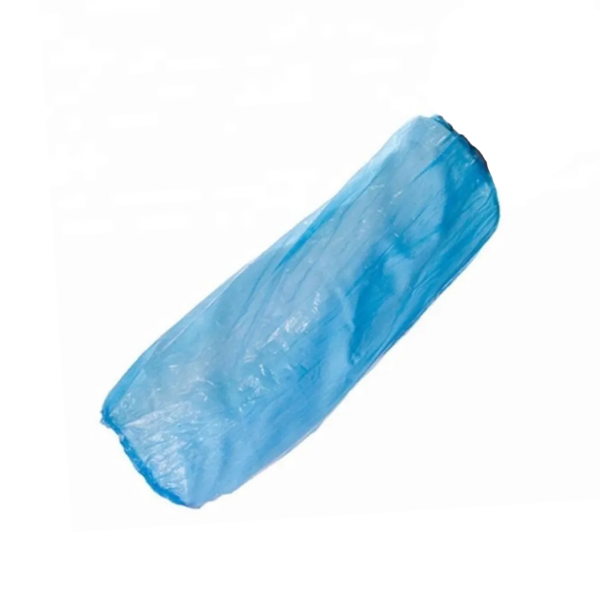
Disposable sleeve covers are essential protective accessories used across industries where hygiene, contamination control, and workplace safety are top priorities. These lightweight protective garments are designed to cover the arms and sleeves of workers, preventing direct contact with contaminants, liquids, dust, and hazardous substances.
They are widely used in healthcare facilities, food processing plants, laboratories, cleanrooms, manufacturing units, and sanitation environments. With increasing global focus on workplace safety and hygiene compliance, disposable sleeve covers have become an important part of personal protective equipment (PPE).
Unlike reusable protective gear, disposable sleeve covers are designed for single use, ensuring maximum hygiene and eliminating the risk of cross-contamination between work sessions.
This detailed guide explores everything about disposable sleeve covers, including their types, materials, benefits, applications, buying considerations, and future trends.
What Are Disposable Sleeve Covers?
Disposable sleeve covers are protective garments worn over the arms to shield clothing and skin from contamination, dirt, chemicals, and biological hazards.
They are typically made from lightweight, non-woven materials such as polypropylene or polyethylene, which provide a protective barrier while maintaining comfort and flexibility.
These covers are usually elasticated at both ends to ensure a secure fit around the wrist and upper arm, preventing exposure during work activities.
They are widely used in environments that require strict hygiene control and contamination prevention.
Importance of Disposable Sleeve Covers in Modern Industries
Disposable sleeve covers play a critical role in maintaining safety and hygiene standards in various industries.
One of their primary functions is contamination control. They help prevent the transfer of particles, bacteria, and hazardous substances between workers, equipment, and products.
They also protect workers from exposure to chemicals, liquids, and dust in industrial environments.
In healthcare and laboratory settings, they are essential for maintaining sterile conditions and preventing cross-contamination.
Additionally, disposable sleeve covers help organizations comply with health and safety regulations and industry standards.
Materials Used in Disposable Sleeve Covers
The effectiveness of disposable sleeve covers depends largely on the materials used in their construction.
Polypropylene (PP)
Polypropylene is the most commonly used material due to its lightweight, breathable, and cost-effective nature. It is ideal for general use environments.
Polyethylene (PE)
Polyethylene offers higher resistance to liquids and chemicals, making it suitable for wet or hazardous environments.
SMS Non-Woven Fabric
Spunbond-Meltblown-Spunbond (SMS) material provides enhanced protection with multiple layers, offering better resistance against fluids and particles.
Microporous Film Materials
These materials provide a balance between breathability and protection, commonly used in high-risk or cleanroom environments.
Each material is selected based on the required level of protection and working conditions.
Key Features of Disposable Sleeve Covers
Disposable sleeve covers come with several important features that make them suitable for industrial and medical use.
One key feature is elasticated cuffs, which ensure a secure fit and prevent slippage during work.
They are lightweight, allowing users to work comfortably for extended periods without fatigue.
They also offer fluid resistance depending on the material used.
Another important feature is breathability, which helps reduce heat buildup during long usage.
They are designed for single-use, ensuring maximum hygiene and reducing contamination risks.
Types of Disposable Sleeve Covers
There are several types of disposable sleeve covers designed for different applications.
Standard Sleeve Covers
These are basic protective covers used in low-risk environments such as general cleaning and food handling.
Waterproof Sleeve Covers
Made from polyethylene or coated materials, these are used in wet environments or chemical handling areas.
Sterile Sleeve Covers
These are pre-sterilized and used in medical, surgical, and pharmaceutical environments.
Heavy-Duty Sleeve Covers
These are made from thicker materials for industrial environments where higher durability is required.
Antistatic Sleeve Covers
Used in electronics manufacturing and cleanrooms to prevent static discharge that could damage sensitive equipment.
Benefits of Disposable Sleeve Covers
The use of disposable sleeve covers provides several advantages across industries.
One major benefit is hygiene control. Since they are single-use, they prevent cross-contamination between tasks and environments.
They also provide effective protection against dust, dirt, and chemical exposure.
Another benefit is cost efficiency, as they eliminate the need for cleaning and maintenance associated with reusable protective gear.
They improve workplace safety by creating a barrier between workers and hazardous substances.
Additionally, they help organizations comply with hygiene and safety regulations in regulated industries.
Applications of Disposable Sleeve Covers
Disposable sleeve covers are used across a wide range of industries due to their versatility.
Healthcare Industry
In hospitals and clinics, they are used to maintain sterile conditions and prevent contamination during procedures.
Food Processing Industry
They help maintain hygiene standards and prevent contamination during food preparation and packaging.
Laboratory Environments
Researchers use them to protect against chemical exposure and biological hazards.
Manufacturing Industry
They are used in cleanrooms, electronics assembly, and industrial production environments.
Cleaning Services
Cleaning professionals use sleeve covers to protect against chemicals and dirt during sanitation tasks.
Disposable Sleeve Covers in Healthcare Settings
Healthcare environments require strict infection control measures, making disposable sleeve covers essential.
They are used by doctors, nurses, and technicians during medical examinations and procedures.
They help prevent the spread of bacteria and viruses between patients and healthcare workers.
In surgical environments, sterile sleeve covers ensure a contamination-free workspace.
Their single-use nature makes them highly effective in reducing hospital-acquired infections.
Disposable Sleeve Covers in Food Industry
The food industry heavily relies on disposable sleeve covers to maintain hygiene standards.
They prevent hair, skin particles, and external contaminants from entering food production areas.
Workers use them during food preparation, packaging, and handling processes.
They also help companies comply with food safety regulations and quality standards.
How to Choose the Right Disposable Sleeve Covers
Selecting the right disposable sleeve covers depends on several factors.
The level of protection required is the most important consideration.
Material type should be chosen based on whether the environment is dry, wet, or chemically hazardous.
Comfort and breathability are important for workers who use them for long hours.
Elastic quality ensures proper fit and prevents slipping during tasks.
Compliance with industry safety standards is also essential for regulatory approval.
Cost Factors of Disposable Sleeve Covers
Several factors influence the cost of disposable sleeve covers.
Material quality is a major factor, with SMS and coated materials costing more than basic polypropylene.
Sterile and certified products are generally more expensive due to additional processing.
Order volume plays a significant role, with bulk purchases reducing per-unit cost.
Design features such as reinforced cuffs or extended length also increase pricing.
Brand reputation and manufacturing standards may also affect cost.
Sustainability and Environmental Impact
Sustainability is becoming increasingly important in the production of disposable sleeve covers.
Many manufacturers are developing eco-friendly materials that are biodegradable or recyclable.
Efforts are being made to reduce plastic waste in industrial and medical environments.
Proper disposal systems are essential to minimize environmental impact.
Some companies are exploring reusable alternatives for low-risk environments.
Future Trends in Disposable Sleeve Covers
The future of disposable sleeve covers is driven by innovation and sustainability.
Advanced materials with improved breathability and protection are being developed.
Eco-friendly manufacturing processes are becoming more common.
Smart PPE solutions with tracking and monitoring features are emerging.
Increased automation in production is improving consistency and reducing costs.
Demand for high-performance protective wear continues to grow globally.
Challenges in Disposable Sleeve Covers Industry
Despite their benefits, disposable sleeve covers face several challenges.
Environmental concerns regarding plastic waste remain a major issue.
Fluctuating raw material prices affect manufacturing costs.
Ensuring consistent quality across large production batches can be difficult.
Balancing cost, comfort, and protection is an ongoing challenge.
Regulatory compliance across different regions adds complexity to production and distribution.
Conclusion
Disposable sleeve covers are a vital component of modern personal protective equipment used across healthcare, food processing, laboratories, and industrial environments. They provide essential protection against contamination, improve hygiene standards, and ensure workplace safety.
With increasing global emphasis on hygiene, safety, and sustainability, disposable sleeve covers continue to evolve with better materials and eco-friendly innovations.
Businesses that invest in high-quality disposable sleeve covers benefit from improved operational safety, regulatory compliance, and enhanced productivity.
FAQs
What are disposable sleeve covers used for?
They are used to protect arms and clothing from contamination, chemicals, and dust in various industries.
Are disposable sleeve covers waterproof?
Some are waterproof depending on the material, especially polyethylene-coated versions.
Can disposable sleeve covers be reused?
No, they are designed for single use to ensure hygiene and safety.
What materials are used in disposable sleeve covers?
Common materials include polypropylene, polyethylene, SMS fabric, and microporous films.
Where are disposable sleeve covers commonly used?
They are used in healthcare, food processing, laboratories, manufacturing, and cleaning services.
Are disposable sleeve covers breathable?
Yes, most are designed to be lightweight and breathable for user comfort.
How do I choose the right disposable sleeve covers?
Consider protection level, material type, comfort, fit, and industry requirements