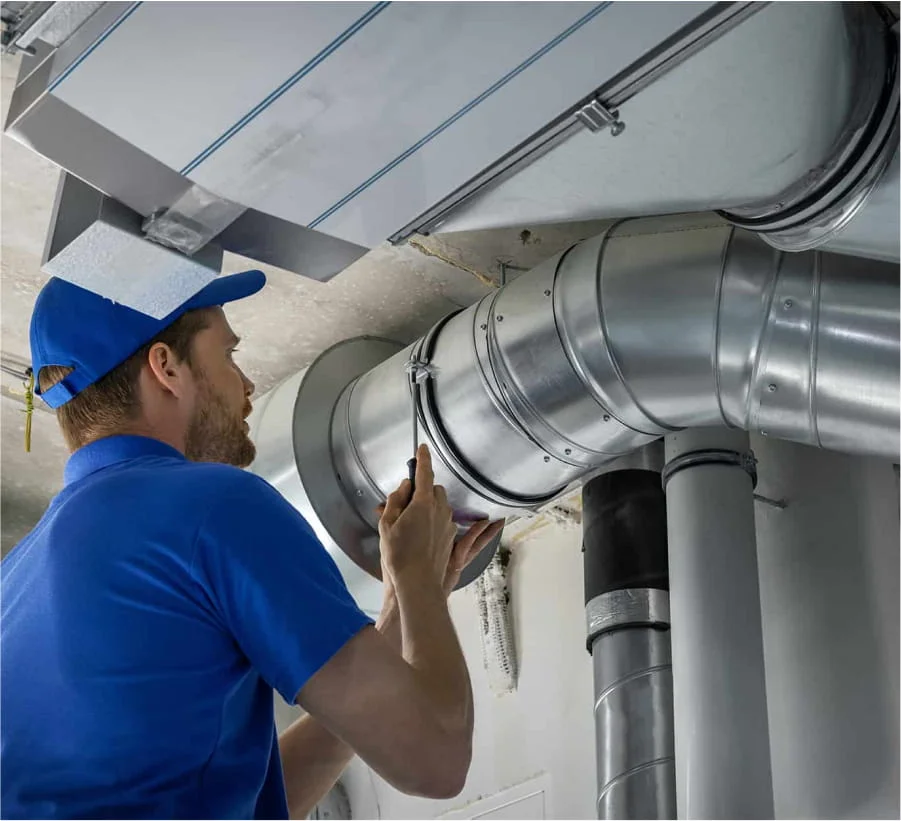
Duct repairs are a critical part of maintaining an efficient and healthy heating, ventilation, and air conditioning (HVAC) system. Your ductwork acts as the delivery network for conditioned air throughout your home or commercial space. When ducts are damaged, leaking, or poorly sealed, the entire HVAC system loses efficiency, comfort decreases, and energy bills increase significantly.
Most property owners underestimate how important duct repairs are until they notice uneven temperatures, weak airflow, or rising utility costs. In reality, even small leaks in ductwork can lead to substantial energy loss, sometimes up to 20–30% of conditioned air escaping before it reaches its intended rooms.
Proper ductwork maintenance and timely repairs ensure better air quality, improved comfort, and reduced strain on HVAC equipment. This guide explores everything you need to know about duct repairs, including causes, signs of damage, repair methods, costs, and maintenance tips.
What Are Duct Repairs and Why They Matter
Duct repairs refer to the process of identifying, sealing, replacing, or restoring damaged sections of air ducts in an HVAC system. These ducts are typically made of sheet metal, fiberglass, or flexible materials and run through walls, ceilings, and floors.
When ducts are compromised, conditioned air escapes into unconditioned spaces such as attics or crawl spaces. This not only wastes energy but also forces your HVAC system to work harder, increasing wear and tear.
According to the United States Environmental Protection Agency, leaky ducts can significantly reduce HVAC efficiency and negatively impact indoor air quality. Pollutants, dust, and allergens can enter through damaged ductwork and circulate throughout your living space.
This makes duct repairs essential not only for energy efficiency but also for maintaining a healthy indoor environment.
Common Signs You Need Duct Repairs
Recognizing early warning signs can help you avoid expensive HVAC issues. Here are the most common indicators that you may need duct repairs:
Uneven heating or cooling is one of the most noticeable signs. If some rooms are too hot while others remain cold, your ducts may have leaks or blockages.
Weak airflow from vents often indicates duct damage or disconnections. This reduces system efficiency and comfort.
Unusually high energy bills are another major red flag. When ducts leak conditioned air, your HVAC system compensates by running longer cycles.
Excess dust around vents or inside rooms may suggest that your duct system is drawing in contaminants from unconditioned areas.
Strange noises such as rattling or whistling in ductwork can also signal loose joints or cracks requiring duct repairs.
Causes of Duct Damage
Understanding what leads to duct problems helps prevent future issues and reduces the need for frequent duct repairs.
Poor installation is a major cause. If ducts are not properly sealed or insulated during installation, leaks develop quickly.
Aging ductwork is another factor. Over time, materials degrade, seals weaken, and joints loosen, making duct repairs necessary.
Rodents or pests can physically damage ducts by chewing through flexible materials or nesting inside them.
Temperature fluctuations in attics or basements can cause expansion and contraction, leading to cracks and disconnections.
Poor maintenance also contributes significantly. Without regular inspection, small issues become major repair needs.
Types of Duct Repairs
There are several methods used for duct repairs, depending on the severity and location of the damage.
Sealing is the most common method. Technicians use mastic sealant or metal-backed tape to close leaks and gaps in duct joints.
Patching involves covering holes or cracks in duct surfaces with durable materials designed to restore airflow integrity.
Section replacement is used when parts of the duct system are too damaged to repair effectively. This involves removing and replacing specific segments.
Insulation repair is also important in cases where ducts in unconditioned spaces lose efficiency due to poor thermal protection.
Full duct replacement is rarely needed but may be recommended in older homes with severely deteriorated systems.
The Duct Repair Process Explained
Professional duct repairs follow a structured process to ensure efficiency and long-term performance.
First, technicians conduct a full inspection using visual assessment tools and sometimes specialized diagnostic equipment to detect leaks.
Next, they identify problem areas such as disconnected joints, holes, or crushed ducts.
Once issues are mapped, cleaning may be performed to remove dust and debris that could interfere with sealing.
The actual repair process begins with sealing, patching, or replacing damaged sections.
Finally, airflow testing is conducted to ensure that the duct repairs have restored proper system performance.
Cost of Duct Repairs
The cost of duct repairs varies depending on system size, damage severity, and accessibility.
Minor sealing jobs are typically more affordable, while extensive repairs involving replacement sections can cost significantly more.
On average, homeowners may spend anywhere from a modest repair fee for small fixes to higher costs for full duct restoration.
Labor costs also depend on the complexity of the HVAC system and whether ducts are located in hard-to-reach areas such as attics or crawl spaces.
Although duct repairs may seem like an added expense, they often lead to long-term savings through reduced energy bills and improved system efficiency.
DIY vs Professional Duct Repairs
Some homeowners attempt minor duct repairs on their own, such as sealing visible leaks with duct tape or mastic sealant. While this can be effective for small issues, it is not always reliable.
DIY repairs often miss hidden leaks within walls or ceilings. Without proper diagnostic tools, it is difficult to ensure a complete fix.
Professional technicians bring expertise, specialized equipment, and long-term solutions. They also ensure compliance with safety and efficiency standards.
For anything beyond surface-level issues, professional duct repairs are strongly recommended to avoid recurring problems and energy loss.
Preventive Maintenance for Duct Systems
Preventing the need for frequent duct repairs starts with regular maintenance.
Schedule periodic HVAC inspections to detect early signs of duct damage.
Keep ducts clean by ensuring filters are replaced regularly, reducing dust buildup inside the system.
Seal small leaks immediately before they expand into larger issues.
Ensure proper insulation in attics and crawl spaces to protect ductwork from temperature extremes.
Avoid blocking vents with furniture or objects, as this can increase pressure in the system and contribute to damage.
Choosing the Right Duct Repair Service
Selecting a reliable service provider for duct repairs is essential for quality results.
Look for licensed and experienced HVAC technicians with proven expertise in duct systems.
Check customer reviews and service history to ensure reliability and professionalism.
Ask about diagnostic methods used to detect leaks and inefficiencies.
Ensure the company provides transparent pricing and detailed repair plans.
A good HVAC professional will not only perform duct repairs but also help improve overall system performance.
Benefits of Timely Duct Repairs
Investing in timely duct repairs offers several long-term benefits.
Improved energy efficiency is one of the biggest advantages, reducing monthly utility costs.
Better indoor air quality is another key benefit, as sealed ducts prevent dust and pollutants from entering the system.
Enhanced comfort ensures consistent temperatures throughout all rooms.
Reduced HVAC wear and tear extends the lifespan of your heating and cooling system.
Overall, duct repairs contribute to a healthier, more efficient, and more comfortable living environment.
Conclusion
Duct repairs are essential for maintaining an efficient HVAC system and ensuring optimal indoor comfort. From detecting leaks to sealing and replacing damaged sections, proper duct maintenance directly impacts energy consumption, air quality, and system longevity.
Ignoring duct issues can lead to higher bills, poor airflow, and reduced comfort. On the other hand, timely duct repairs provide lasting improvements in performance and efficiency.
Whether you are dealing with minor leaks or major duct damage, addressing the issue early ensures better long-term results and fewer costly repairs in the future.
FAQs About Duct Repairs
What are duct repairs?
Duct repairs involve fixing leaks, holes, or damaged sections in HVAC ductwork to restore proper airflow and efficiency.
How do I know if I need duct repairs?
Signs include uneven temperatures, weak airflow, high energy bills, and excess dust around vents.
Are duct repairs expensive?
Costs vary depending on damage severity, but most duct repairs are affordable compared to long-term energy savings.
Can I do duct repairs myself?
Minor sealing may be possible, but professional duct repairs are recommended for hidden or complex issues.
How often should ductwork be inspected?
It is recommended to inspect duct systems every 2–3 years to prevent major damage and avoid costly repairs.
Do duct repairs improve air quality?
Yes, sealing leaks prevents dust, allergens, and pollutants from entering the airflow system, improving indoor air quality significantly.