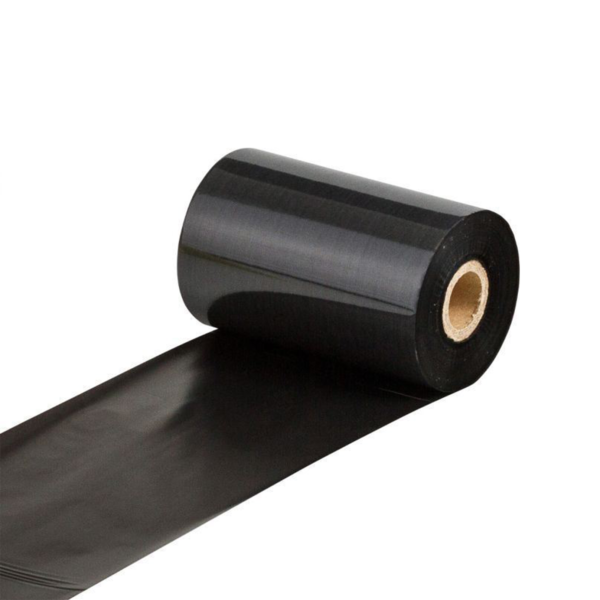
In the world of barcode printing and product identification, print quality, durability, and accuracy are extremely important. Businesses across retail, manufacturing, logistics, healthcare, and warehousing rely on advanced printing solutions to create clear labels that remain readable throughout their lifecycle. One of the most widely used printing supplies for this purpose is a wax resin thermal transfer ribbon.
A wax resin thermal transfer ribbon combines the advantages of wax and resin-based printing technologies to produce high-quality, durable labels. It offers improved resistance compared with standard wax ribbons while maintaining excellent print performance on various label materials.
This complete guide explains what wax resin thermal transfer ribbons are, how they work, their benefits, applications, types, and how to select the right ribbon for your printing requirements.
What Is a Wax Resin Thermal Transfer Ribbon?
A wax resin thermal transfer ribbon is a printing ribbon used in thermal transfer printers to create durable text, barcodes, graphics, and labels. It contains a mixture of wax and resin materials that are transferred onto a label surface using heat from the printer’s thermal printhead.
Thermal transfer printing works by melting the ribbon coating onto the label material. The heated printhead activates the ink layer, allowing it to bond with the label surface and create a permanent printed image.
Wax resin ribbons are designed to provide a balance between affordability and durability. They offer stronger resistance than traditional wax ribbons while being more cost-effective than pure resin ribbons.
How Does a Wax Resin Thermal Transfer Ribbon Work?
Thermal transfer printers use heat to transfer ink from the ribbon onto a label. The ribbon is placed between the printhead and the label material.
During printing:
- The thermal printhead applies controlled heat.
- The wax-resin coating melts.
- The ink transfers onto the label surface.
- The printed image cools and becomes fixed.
The combination of wax and resin allows the printed image to achieve good adhesion, sharpness, and resistance against environmental conditions.
This makes wax resin ribbons suitable for applications where labels need to remain readable despite handling, friction, or moderate exposure to moisture.
Components of a Thermal Transfer Ribbon
A typical wax resin thermal transfer ribbon consists of several layers designed to improve printing performance.
Ink Coating Layer
The ink layer contains the wax and resin mixture that creates the printed image.
The balance between wax and resin determines the ribbon’s durability, print quality, and compatibility with different label materials.
Base Film Layer
The base film provides structural support for the ribbon. Most ribbons use polyester film because it offers strength and stability during printing.
Back Coating Layer
The back coating protects the printhead and improves ribbon movement through the printer.
A quality back coating helps reduce friction and extend printer component life.
Advantages of Wax Resin Thermal Transfer Ribbon
A wax resin thermal transfer ribbon provides several benefits for businesses that require reliable barcode and label printing.
Improved Print Durability
One of the biggest advantages of wax resin ribbons is their durability.
Compared with standard wax ribbons, wax resin formulations create prints that are more resistant to:
- Scratching
- Smudging
- Handling
- Light moisture exposure
- Mild chemicals
This makes them suitable for labels that need longer-lasting readability.
Excellent Barcode Quality
Barcode accuracy is critical in logistics, retail, and manufacturing.
Wax resin ribbons produce sharp edges and high-resolution prints, helping barcode scanners read labels accurately.
Versatile Material Compatibility
Wax resin ribbons work well with various label materials, including:
- Coated paper labels
- Synthetic labels
- Polyester materials
- Polypropylene labels
This versatility makes them useful across multiple industries.
Cost-Effective Printing Solution
Pure resin ribbons provide maximum durability but are often more expensive. Wax resin ribbons offer a balance between performance and cost.
Businesses can achieve durable labeling without significantly increasing printing expenses.
Better Resistance Than Wax Ribbons
Standard wax ribbons are suitable for basic applications but may not withstand demanding conditions.
Wax resin ribbons provide improved resistance while maintaining efficient printing performance.
High-Quality Image Resolution
Wax resin ribbons produce clean and professional-looking labels with sharp text, detailed graphics, and accurate barcodes.
This makes them ideal for applications where presentation and readability matter.
Applications of Wax Resin Thermal Transfer Ribbon
A wax resin thermal transfer ribbon is used across many industries where durable labels are required.
Manufacturing Industry
Manufacturers use wax resin ribbons for product identification, inventory labels, safety instructions, and tracking information.
Labels in manufacturing environments often require resistance against handling and moderate exposure conditions.
Warehousing and Logistics
Warehouses depend on barcode labels for inventory management, shipping, and tracking.
Wax resin ribbons help create labels that remain readable during transportation and storage.
Retail Labeling
Retail businesses use thermal transfer printing for price tags, product labels, and inventory management.
Wax resin ribbons provide professional-quality prints that improve product identification.
Healthcare Industry
Healthcare facilities require accurate and durable labels for samples, equipment, and inventory.
Wax resin ribbons help create clear labels that maintain readability throughout handling.
Pharmaceutical Applications
Pharmaceutical companies use durable labeling systems for packaging, tracking, and compliance requirements.
Wax resin ribbons support the creation of reliable product information labels.
Food and Beverage Industry
Food manufacturers use barcode labels and packaging identification systems.
Wax resin ribbons can be suitable for applications requiring resistance against handling and moderate environmental exposure.
Automotive Industry
Automotive manufacturers and suppliers often require labels that withstand industrial environments.
Wax resin ribbons help produce durable identification labels for parts and components.
Types of Wax Resin Thermal Transfer Ribbons
Different wax resin ribbons are available depending on printing needs and label materials.
General Purpose Wax Resin Ribbon
General-purpose wax resin ribbons provide balanced performance for everyday labeling applications.
They are commonly used for:
- Shipping labels
- Inventory tags
- Product identification
Premium Wax Resin Ribbon
Premium wax resin ribbons offer improved print quality and durability.
They are suitable for applications requiring sharper images and stronger resistance.
Near-Edge Wax Resin Ribbon
Near-edge ribbons are designed for high-speed printing systems.
They are commonly used in industrial environments where fast and efficient printing is required.
Colored Wax Resin Ribbon
Colored ribbons allow businesses to create visually distinctive labels.
They are often used for branding, warnings, product identification, and special labeling requirements.
Wax Resin Ribbon vs Wax Ribbon
Choosing between wax and wax resin ribbons depends on the application.
Wax ribbons are:
- More affordable
- Suitable for basic paper labels
- Ideal for low-demand environments
Wax resin ribbons provide:
- Better durability
- Improved scratch resistance
- Stronger adhesion
- Greater material compatibility
For labels exposed to more demanding conditions, wax resin is usually the better choice.
Wax Resin Ribbon vs Resin Ribbon
Resin ribbons provide the highest level of durability among thermal transfer ribbons.
Resin ribbons are ideal for:
- Chemical-resistant labels
- Outdoor applications
- Extreme environments
However, they are generally more expensive.
Wax resin ribbons provide a middle ground by offering good durability at a lower cost.
How to Choose the Right Wax Resin Thermal Transfer Ribbon
Selecting the correct ribbon ensures better print quality and performance.
Consider Label Material
Different materials require different ribbon formulations.
Paper labels may work well with standard wax resin ribbons, while synthetic labels may require stronger resin content.
Check Printer Compatibility
Always confirm that the ribbon is compatible with your thermal transfer printer model.
Factors to consider include:
- Ribbon size
- Core size
- Ink side orientation
- Printer speed
Evaluate Environmental Conditions
Consider where the labels will be used.
Ask questions such as:
- Will the label face moisture?
- Will it experience friction?
- Will it be exposed to chemicals?
- Will it be stored outdoors?
The environment determines the required durability level.
Determine Print Requirements
For simple text and barcodes, standard wax resin ribbons may be sufficient.
For detailed graphics and long-lasting identification, premium options may provide better results.
Check Ribbon Quality
High-quality ribbons provide:
- Cleaner printing
- Fewer print defects
- Better printhead protection
- Consistent performance
Common Problems When Using Thermal Transfer Ribbons
Understanding common issues can help improve printing results.
Poor Print Quality
Poor print quality may occur due to:
- Incorrect ribbon selection
- Wrong printer settings
- Low-quality labels
- Dirty printheads
Regular maintenance and proper ribbon selection help prevent these problems.
Ribbon Wrinkling
Ribbon wrinkles can cause uneven printing.
Possible causes include:
- Incorrect tension settings
- Improper ribbon installation
- Printer alignment issues
Smudged Labels
Smudging may occur when the ribbon does not match the label material.
Choosing the correct wax resin formulation improves adhesion.
Short Print Life
If labels are exposed to harsh conditions, a stronger ribbon may be required.
Wax resin ribbons provide better durability than standard wax but may not replace pure resin in extreme environments.
Storage and Handling of Thermal Transfer Ribbons
Proper storage helps maintain ribbon performance.
Store ribbons in:
- Dry environments
- Moderate temperatures
- Original packaging
- Clean storage areas
Avoid exposing ribbons to excessive heat, moisture, dust, or direct sunlight.
Proper handling also prevents damage to the ribbon surface.
Environmental Considerations
Many businesses are focusing on reducing waste and improving sustainability.
Thermal transfer printing supports sustainability by producing long-lasting labels that reduce the need for frequent replacement.
Using efficient printing practices, recycling packaging materials, and selecting the correct ribbon size can help minimize waste.
Future Trends in Thermal Transfer Printing
Thermal transfer technology continues to improve with advancements in materials, printer efficiency, and automation.
Future developments may include:
- More durable ribbon formulations
- Eco-friendly materials
- Faster printing capabilities
- Improved barcode accuracy
- Smart labeling integration
As industries become more automated, reliable thermal transfer solutions will continue to play an important role.
Frequently Asked Questions About Wax Resin Thermal Transfer Ribbon
What is a wax resin thermal transfer ribbon used for?
A wax resin thermal transfer ribbon is used for printing durable labels, barcodes, product identification tags, shipping labels, and inventory labels using thermal transfer printers.
Is wax resin ribbon better than wax ribbon?
Yes, wax resin ribbons generally provide better durability, scratch resistance, and material compatibility compared with standard wax ribbons.
Can wax resin ribbons print on synthetic labels?
Yes, many wax resin ribbons are compatible with synthetic materials such as polypropylene and polyester labels.
Are wax resin ribbons waterproof?
Wax resin ribbons provide better moisture resistance than wax ribbons, but they may not offer the same waterproof performance as pure resin ribbons.
What industries use wax resin thermal transfer ribbons?
Industries such as manufacturing, logistics, healthcare, retail, automotive, pharmaceuticals, and food production use wax resin thermal transfer ribbons.
How long does a thermal transfer ribbon last?
The lifespan depends on ribbon size, printing volume, storage conditions, and usage environment.
Can wax resin ribbons be used in all thermal printers?
Wax resin ribbons are compatible with many thermal transfer printers, but users should verify printer specifications before purchasing.
How do I improve print quality with wax resin ribbons?
Maintain the printer, clean the printhead, use compatible labels, and adjust printer settings according to ribbon specifications.
What is the difference between wax resin and resin ribbons?
Wax resin ribbons combine wax and resin for balanced performance, while resin ribbons provide maximum durability for demanding applications.
How should wax resin thermal transfer ribbons be stored?
Store ribbons in a cool, dry place inside their original packaging to protect them from moisture, dust, and heat.
Conclusion
A wax resin thermal transfer ribbon is a reliable printing solution that provides excellent balance between durability, print quality, and cost efficiency. It is widely used across industries that require clear, long-lasting labels for tracking, identification, and compliance purposes.
By choosing the right ribbon based on label material, printer compatibility, and environmental conditions, businesses can achieve better printing performance and reduce labeling problems. With its versatility and dependable results, wax resin thermal transfer ribbon remains an essential component of modern barcode and labeling systems.