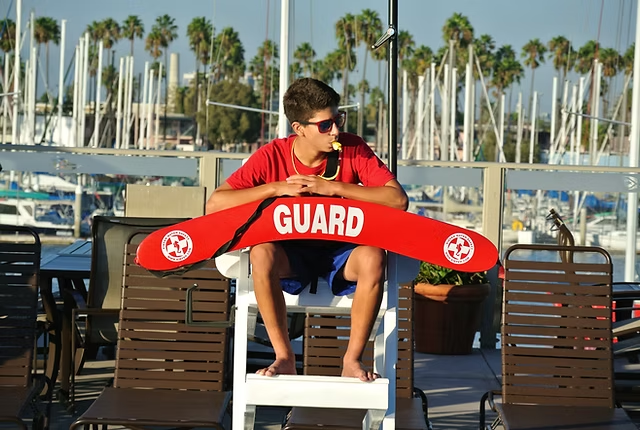
Lifeguard training is more than just learning how to swim it’s a structured, professional program designed to equip individuals with life-saving skills, physical endurance, and critical decision-making abilities. Whether you’re aiming for a seasonal job, a long-term career in aquatic safety, or simply want to be prepared for emergencies, lifeguard training provides essential knowledge that can make a real difference.
What Is Lifeguard Training?
Lifeguard training is a certified program that teaches individuals how to prevent, recognize, and respond to aquatic emergencies. It combines theoretical knowledge with hands-on practice, ensuring that trainees are prepared for real-world situations in pools, beaches, water parks, and other aquatic environments.
The training typically includes:
- Water rescue techniques
- First aid and CPR (Cardiopulmonary Resuscitation)
- AED (Automated External Defibrillator) usage
- Surveillance and risk assessment
- Emergency action planning
These components are designed to ensure that lifeguards can respond quickly and effectively under pressure.
Why Lifeguard Training Matters
Drowning is one of the leading causes of accidental death worldwide, particularly among children and young adults. Lifeguards serve as the first line of defense in preventing such tragedies. Proper training ensures that they can:
- Identify potential hazards before they escalate
- Act swiftly during emergencies
- Provide immediate medical assistance
- Maintain a safe environment for all swimmers
Beyond safety, lifeguard training instills discipline, teamwork, and leadership skills that are valuable in any profession.
Core Skills Learned in Lifeguard Training
1. Water Rescue Techniques
Trainees learn various rescue methods, including active and passive victim rescues, spinal injury management, and the use of rescue equipment such as tubes and boards.
2. CPR and First Aid
One of the most critical components is learning how to perform CPR and provide first aid. This includes handling choking, cardiac arrest, bleeding, and shock.
3. Surveillance and Prevention
Lifeguards are trained to constantly monitor swimmers, identify risky behaviors, and enforce safety rules to prevent accidents before they happen.
4. Physical Fitness
Lifeguard training requires a high level of physical fitness. Trainees must pass swimming tests, timed rescues, and endurance drills to ensure they are capable of handling demanding situations.
Certification Process
To become a certified lifeguard, candidates must complete a recognized training program and pass both written and practical exams. While requirements may vary by organization, most certifications include:
- Minimum age requirement (usually 15–18 years)
- Swim test (e.g., timed laps, treading water)
- Completion of training sessions
- Passing final assessments
Certifications are typically valid for two years, after which renewal is required to ensure skills remain up to date.
Types of Lifeguard Training Programs
Different environments require specialized training. Some common types include:
Pool Lifeguard Training
Focused on controlled environments like community pools and fitness centers. Emphasis is on surveillance and quick response.
Waterfront Lifeguard Training
Covers natural water bodies such as lakes and rivers. Includes additional training for currents, visibility issues, and environmental hazards.
Beach Lifeguard Training
The most advanced level, involving ocean rescues, wave dynamics, and long-distance swimming.
Career Opportunities After Lifeguard Training
Lifeguard training opens doors to a variety of career paths, including:
- Pool or beach lifeguard
- Swim instructor
- Aquatic facility manager
- Emergency responder (with further training)
- Water safety instructor
Many professionals also use lifeguarding as a stepping stone into careers in healthcare, sports science, or public safety.
Benefits of Lifeguard Training
1. Life-Saving Skills
You gain the ability to save lives—not just in professional settings, but also in everyday situations.
2. Confidence and Responsibility
Handling emergencies builds confidence and teaches responsibility at a young age.
3. Physical Fitness
The training keeps you active and improves overall health and endurance.
4. Teamwork and Leadership
Working with other lifeguards fosters collaboration and leadership skills.
Choosing the Right Training Program
When selecting a lifeguard training course, consider the following:
- Accreditation: Ensure the program is recognized by reputable organizations
- Qualified instructors: Trainers should have real-world experience
- Comprehensive curriculum: Look for programs that cover both theory and practice
- Location and environment: Choose training relevant to where you plan to work
Reading reviews and checking success rates can also help you make an informed decision.
Tips for Success in Lifeguard Training
- Stay physically prepared: Regular swimming and fitness training will help you meet requirements بسهولة
- Pay attention during instruction: Small details can be crucial in emergencies
- Practice regularly: Repetition builds muscle memory and confidence
- Stay calm under pressure: Mental readiness is just as important as physical ability
Final Thoughts
Lifeguard training is a valuable investment in both personal development and community safety. It equips individuals with practical skills, enhances physical fitness, and opens up diverse career opportunities. More importantly, it empowers you to act when it matters most.
Whether you’re looking for a rewarding job or simply want to be prepared for emergencies, lifeguard training is a step toward becoming a responsible and capable individual.