
When a serious illness or injury happens, families need to know where to go and when to act. Choosing an Emergency Room in Fort Worth TX can be the safest decision when symptoms are sudden, severe, or getting worse quickly. Chest pain, breathing problems, stroke-like symptoms, serious injuries, allergic reactions, severe dehydration, and pediatric emergencies should not be ignored. Access to 24/7 emergency care is important because medical problems can happen at night, on weekends, during holidays, or when a regular doctor’s office is closed.
For families, quick decisions can make a real difference. Knowing which symptoms require emergency attention can help reduce panic and prevent dangerous delays.
Why Emergency Care Matters for Families
Family health emergencies can happen without warning. A child may develop breathing trouble in the middle of the night. A parent may feel chest pressure after dinner. A teenager may suffer a sports injury after school. An older family member may suddenly become confused or weak.
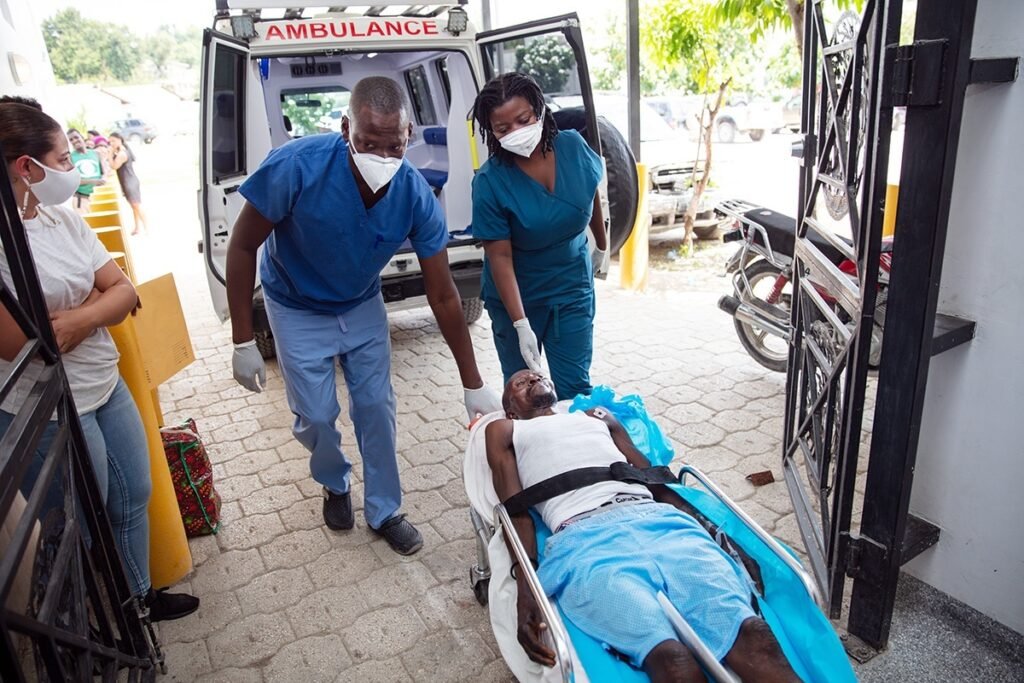
In these moments, waiting too long can increase risk. Emergency rooms are designed to evaluate serious symptoms, provide diagnostic testing, monitor changes, control pain, treat injuries, and stabilize patients when needed.
The American College of Emergency Physicians lists warning signs such as difficulty breathing, chest or upper abdominal pain or pressure, fainting, sudden weakness, confusion, serious injuries, difficulty speaking, and changes in mental status as reasons to seek emergency care. Learn More: https://trip.utah.edu/emergency-planning-for-families/
ER vs Urgent Care: Know the Difference
Urgent care is helpful for mild to moderate health problems that need prompt attention but are not life-threatening. Examples may include sore throat, mild fever, ear pain, minor cuts, small sprains, simple rashes, or common cold and flu symptoms.
The ER is different. It is designed for conditions that may become dangerous if care is delayed. Emergency teams can evaluate serious symptoms, order testing, provide IV fluids, treat wounds, monitor breathing or heart symptoms, and respond quickly if the patient’s condition changes.
A simple rule for families is this: urgent care is for problems that should be treated soon, while emergency care is for symptoms that cannot safely wait.
Illnesses That Should Not Wait
Some illnesses may look minor at first but can become serious. Families should watch for symptoms that are sudden, severe, unusual, or rapidly worsening.
Chest Pain or Pressure
Chest pain should always be taken seriously, especially when it feels like pressure, tightness, squeezing, heaviness, or pain that spreads to the arm, jaw, neck, shoulder, back, or upper abdomen.
Chest pain with shortness of breath, sweating, nausea, dizziness, weakness, or fainting should be treated as urgent. Emergency physicians note that heart-related warning signs can include chest discomfort that lasts more than a few minutes or comes and goes, pain spreading to other areas, and chest discomfort with nausea, sweating, fainting, or shortness of breath.
Families should not try to guess whether chest pain is heartburn, anxiety, muscle strain, or something more serious. Emergency evaluation can help identify the cause and guide safe treatment.
Breathing Problems
Trouble breathing is one of the clearest signs that emergency care may be needed. This can include gasping, severe wheezing, blue or gray lips, chest tightness, fast breathing, or difficulty speaking in full sentences.
Breathing problems may be caused by asthma, pneumonia, allergic reactions, heart problems, lung conditions, infections, or smoke inhalation. MedlinePlus includes breathing problems among emergency warning signs that should be evaluated quickly.
Breathing concerns are especially serious for children, older adults, and people with asthma, heart disease, or chronic lung conditions.
Stroke-Like Symptoms
Stroke symptoms need immediate action. Families should watch for sudden face drooping, arm weakness, trouble speaking, confusion, vision changes, dizziness, loss of balance, or sudden severe headache.
The CDC advises calling 911 right away when someone has sudden numbness or weakness, trouble speaking, vision problems, trouble walking, dizziness, loss of balance, or a sudden severe headache.
Even if symptoms improve after a few minutes, emergency evaluation is still important. Temporary symptoms can still signal a serious medical problem.
Severe Abdominal Pain
Mild stomach discomfort may not require the ER, but severe abdominal pain should not be ignored. Go to the ER if pain is sharp, intense, worsening, or paired with fever, repeated vomiting, fainting, swelling, blood in vomit or stool, or pain in one specific area.
Possible causes can include appendicitis, kidney stones, gallbladder problems, infection, bowel issues, dehydration, or internal bleeding. Emergency testing can help identify whether the condition needs urgent treatment.
Injuries That Need Emergency Care
Families often face injuries from falls, sports, cooking accidents, car crashes, workplace incidents, or home accidents. Some injuries can be handled with basic care, but others need urgent medical attention. Visit: https://www.ynhhs.org/articles/5-injuries-require-immediate-medical-care

Head Injuries
A head injury should be evaluated in the ER if there is loss of consciousness, vomiting, confusion, severe headache, seizure, unusual sleepiness, dizziness, or behavior changes.
This is especially important for children, older adults, athletes, and people taking blood thinners. Symptoms from a serious head injury may not always appear right away.
Deep Cuts or Heavy Bleeding
Small cuts may be appropriate for urgent care, but deep wounds or bleeding that will not stop with pressure need emergency treatment. Deep wounds may require cleaning, closure, infection prevention, and evaluation for tendon, nerve, or tissue damage.
MedlinePlus lists bleeding that will not stop, deep wounds, head or spine injuries, serious burns, and severe pain among signs that emergency care may be needed.
Suspected Broken Bones
A suspected broken bone should be evaluated quickly when there is severe pain, swelling, deformity, numbness, inability to move the area, or bone visible through the skin.
Emergency care can provide imaging, pain control, splinting, and referral for further treatment if needed.
Burns
Burns should be treated as emergencies if they are large, deep, very painful, or located on the face, hands, feet, genitals, or major joints. Burns caused by chemicals, electricity, or smoke inhalation also need emergency attention.
Pediatric Emergencies: When Children Cannot Wait
Children may not describe symptoms clearly, and their condition can change faster than an adult’s. Parents should pay close attention to breathing, alertness, hydration, behavior, and pain.
Choosing an Emergency Room in Fort Worth TX may be the safest option when a child has serious symptoms, sudden illness, or injuries that need immediate evaluation.
Warning Signs in Children
Take a child to the ER for:
Trouble breathing
Blue lips or face
Seizure
Severe dehydration
Deep cut or heavy bleeding
Serious burn
Possible broken bone
Severe allergic reaction
Extreme sleepiness or confusion
Fever in a very young infant
Head injury with vomiting or behavior changes
MedlinePlus lists several pediatric emergency signs, including trouble breathing, severe allergic reaction with swelling or breathing problems, heavy bleeding, deep wounds, serious burns, possible broken bones, sudden confusion, and difficulty waking.
Dehydration in Children
Children can become dehydrated from vomiting, diarrhea, fever, or poor fluid intake. Warning signs include dry mouth, no tears when crying, fewer wet diapers, sunken eyes, dizziness, unusual tiredness, or refusal to drink fluids.
Severe dehydration may require IV fluids and monitoring, so parents should not wait if a child appears weak, very sleepy, or unable to keep fluids down.
Allergic Reactions That Need the ER
A mild rash or itching may not always require emergency care, but a severe allergic reaction can become life-threatening. Warning signs may include swelling of the lips, tongue, face, or throat; trouble breathing; wheezing; dizziness; fainting; widespread hives; vomiting; or difficulty swallowing.
MedlinePlus identifies anaphylaxis symptoms such as breathing difficulty, wheezing, chest tightness, dizziness, hives, swelling of the face or tongue, and unconsciousness.
Families should act quickly if an allergic reaction affects breathing, swallowing, alertness, or circulation.
Why 24/7 Emergency Care Is Important for Families
Medical emergencies do not follow office hours. A child’s fever can worsen overnight. A serious injury can happen during weekend sports. Chest pain can begin during a holiday. A severe allergic reaction can occur after dinner.
That is why 24/7 emergency care is valuable for families in Fort Worth. It gives patients access to medical evaluation when waiting could be unsafe and when regular clinics may be closed.
Round-the-clock emergency access also gives families peace of mind. When symptoms are severe, sudden, or unclear, patients need a place where trained medical teams can evaluate the situation and provide timely care.
What to Expect During an ER Visit
Knowing what happens during an ER visit can help families feel more prepared.
Triage
When you arrive, the medical team checks symptoms, vital signs, pain level, oxygen level, and overall condition. Patients with the most serious symptoms are usually treated first.
Medical Evaluation
A provider asks when symptoms started, what changed, medical history, medications, allergies, and recent injuries or illnesses. Clear details help the team make faster decisions.
Testing and Treatment
Depending on symptoms, testing may include blood work, urine tests, X-rays, CT scans, ultrasound, EKG, or oxygen monitoring. Treatment may include medication, IV fluids, breathing treatments, wound care, pain relief, splinting, or observation.
Discharge or Further Care
Some patients go home with instructions and follow-up recommendations. Others may need observation, hospital admission, specialist care, or transfer depending on the condition.
Promotional Paragraph
For families who need dependable emergency medical support, ER of Fort Worth- EMERGENCY ROOM provides timely evaluation and care for serious illnesses, injuries, chest pain, breathing concerns, allergic reactions, and urgent pediatric symptoms. Having access to a trusted local emergency facility can help reduce stress when fast medical attention matters.
How Families Can Prepare Before an Emergency
Preparation can help families respond faster and more calmly.
Keep a list of medications, allergies, and medical conditions.
Save emergency contacts in your phone.
Know the nearest ER location.
Keep insurance and identification available.
For children, keep pediatrician information accessible.
Teach older children when to call 911.
Do not drive yourself if you have chest pain, confusion, fainting, or severe breathing trouble.
Tell the medical team when symptoms started and whether they are getting worse.
The goal is not to diagnose yourself at home. The goal is to recognize warning signs and seek the right level of care quickly.
When to Call 911
Call 911 for chest pain with shortness of breath, stroke-like symptoms, severe breathing trouble, loss of consciousness, major trauma, uncontrolled bleeding, seizure, severe allergic reaction, or a person who is too weak, confused, or faint to travel safely.
Emergency medical services can begin care before arrival and help patients reach the appropriate medical setting safely.
FAQs
1. What illnesses require emergency care for families in Fort Worth?
Illnesses that may require emergency care include chest pain, breathing problems, stroke-like symptoms, severe abdominal pain, fainting, confusion, severe dehydration, seizures, severe allergic reactions, and sudden symptoms that are getting worse quickly.
2. What injuries should be treated at the ER?
Go to the ER for head injuries, deep cuts, heavy bleeding, serious burns, suspected broken bones, major falls, car accident injuries, sports injuries with severe pain, or wounds that may involve nerve, tendon, or tissue damage.
3. Why is 24/7 emergency care important for families?
24/7 emergency care is important because serious illnesses and injuries can happen at any time. Families may need immediate evaluation during nights, weekends, holidays, or when regular clinics are closed. Around-the-clock access helps reduce delays when symptoms cannot safely wait.
Conclusion
Families need to act quickly when illness or injury becomes serious. Chest pain, breathing problems, stroke-like symptoms, severe pain, heavy bleeding, head injuries, allergic reactions, dehydration, and pediatric emergencies should never be ignored. Preparing ahead, knowing warning signs, and calling 911 when symptoms are life-threatening can help protect the health of your loved ones. When urgent symptoms cannot safely wait, an Emergency Room in Fort Worth TX can provide timely evaluation, treatment, and support when every minute matters.
For more, click here