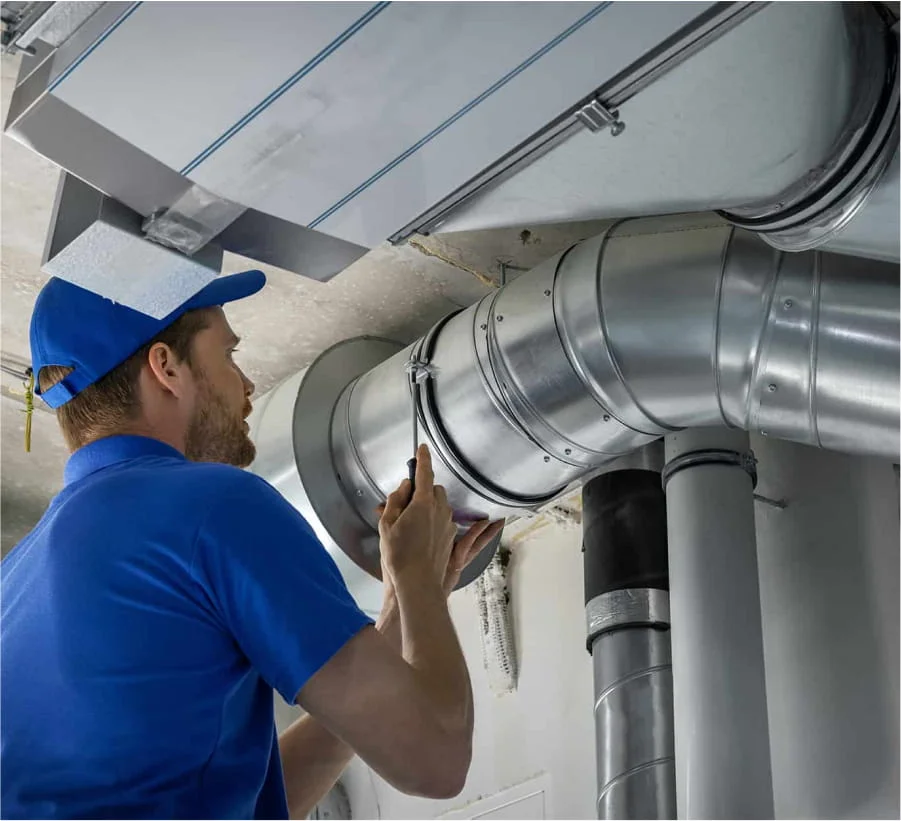
Air conditioning is essential for maintaining a comfortable indoor environment, especially during the hot months. While many homeowners focus on the AC unit itself, the ductwork that distributes cooled air plays an equally critical role. Damaged or leaking ducts can significantly reduce efficiency, increase energy bills, and negatively impact indoor air quality.
This guide provides a comprehensive overview of air conditioning duct repairs, including common issues, signs that repairs are needed, benefits of duct maintenance, cost considerations, repair processes, and frequently asked questions.
What Are Air Conditioning Duct Repairs?
Air conditioning duct repairs involve identifying and fixing problems in your duct system to restore proper airflow and efficiency. Ducts carry cooled air from your air conditioner to different rooms, and any leaks, cracks, or blockages reduce system performance. Repairs may include sealing leaks, replacing damaged sections, insulating ducts, and restoring proper airflow balance.
Properly functioning ducts are crucial for:
- Efficient cooling
- Consistent indoor temperatures
- Lower energy bills
- Improved indoor air quality
- Extended lifespan of your AC system
Why Air Conditioning Duct Repairs Are Important
Even a high-efficiency AC unit cannot perform optimally if the ducts are compromised. Over time, ducts can deteriorate due to wear and tear, poor installation, pests, or moisture damage. When ducts leak or become blocked, cooled air escapes or is unevenly distributed, forcing your air conditioner to work harder and consume more energy.
Repairing duct issues can:
- Restore airflow efficiency
- Reduce utility costs
- Improve indoor comfort
- Protect the HVAC system from unnecessary strain
- Minimize dust and allergens circulating in the air
Common Problems That Require Air Conditioning Duct Repairs
Leaky Ducts
Air leaks are the most common reason for duct repairs. Leaks occur at duct joints, seams, and connections, causing significant airflow loss and reduced cooling efficiency.
Disconnected or Sagging Duct Sections
Vibration, poor installation, or structural shifts can disconnect ducts or cause sagging, restricting airflow to certain rooms.
Collapsed or Crushed Ducts
Flexible ducts may collapse due to heavy objects or poor installation, significantly reducing airflow.
Damaged Insulation
Insulation helps maintain air temperature. Damaged or missing insulation reduces cooling efficiency and increases energy consumption.
Blockages and Debris
Ducts can accumulate dust, debris, or even small pests that restrict airflow and affect air quality.
Corrosion or Rust
Metal ducts may corrode over time, especially in humid environments, causing leaks and weakening structural integrity.
Mold or Mildew
Moisture in ducts can lead to mold growth, reducing indoor air quality and causing health concerns.
Signs You Need Air Conditioning Duct Repairs
Uneven Cooling
Rooms that remain warm while others stay cool often indicate duct issues rather than AC unit problems.
High Energy Bills
Unexplained increases in electricity bills can signal leaking or inefficient ductwork.
Weak Airflow
Reduced airflow from vents may indicate blockages, leaks, or collapsed duct sections.
Excessive Dust
Duct leaks can pull dust, insulation particles, and contaminants into your living spaces.
Strange Noises
Rattling, whistling, or banging sounds may signal loose or damaged ducts.
Visible Damage
Check accessible ducts for rust, holes, cracks, or disconnected segments.
Poor Indoor Air Quality
If occupants experience increased allergy or respiratory symptoms, damaged ducts could be circulating contaminants.
Benefits of Air Conditioning Duct Repairs
Improved Energy Efficiency
Sealing leaks and repairing damaged ducts ensures cooled air reaches every room, reducing energy waste.
Lower Utility Bills
Efficient ducts allow your AC unit to run less frequently, saving money on electricity.
Enhanced Comfort
Proper repairs ensure balanced airflow and consistent temperatures throughout your home.
Better Indoor Air Quality
Sealed ducts prevent dust, allergens, and other contaminants from entering your living space.
Reduced HVAC Wear and Tear
When airflow is restored, your AC system works less strenuously, extending its lifespan.
Cost-Effective Solution
Repairing ducts is generally more affordable than complete replacement and can postpone more extensive HVAC work.
The Air Conditioning Duct Repair Process
Step 1: Inspection
Professional technicians inspect the entire duct system for leaks, blockages, sagging, and insulation issues.
Step 2: Leak Detection
Specialized equipment identifies hidden leaks or inefficient airflow areas.
Step 3: Recommendation
Based on the inspection, a repair plan is created specifying which sections need sealing, replacement, or insulation.
Step 4: Sealing Leaks
Technicians seal leaks with mastic sealant or HVAC-approved foil tape to restore efficiency.
Step 5: Replacing Damaged Sections
Any severely damaged ductwork is removed and replaced with new, properly sized ducts.
Step 6: Insulation Repair
Insulation is repaired or replaced to improve thermal efficiency.
Step 7: System Testing
Airflow, pressure, and balance are tested to ensure the system functions optimally.
Cost Considerations for Air Conditioning Duct Repairs
The cost of duct repairs depends on:
- Extent of damage: Larger leaks or multiple problem areas cost more.
- Accessibility: Ducts in attics, crawl spaces, or behind walls are harder to reach.
- Material type: Metal, fiberglass, or flexible ducts have different repair requirements.
- Home size: Larger homes need more extensive repairs.
On average, homeowners can expect to spend between $300 and $2,500 for duct repairs, depending on the scope of work.
Air Conditioning Duct Repairs vs. Replacement
When Repairs Are Appropriate
- Damage is localized
- Ducts are relatively new
- Overall duct system is in good condition
When Replacement May Be Better
- Ducts are over 20 years old
- Widespread corrosion exists
- Mold or contamination is present
- Energy losses are extensive
- Repair costs approach replacement costs
Professional inspections help determine whether repairs or full replacement is the most cost-effective option.
Maintenance Tips After Duct Repairs
- Regular Inspections: Have ducts inspected every 2–3 years.
- Replace Air Filters: Change filters every 1–3 months to maintain airflow.
- Keep Vents Clean: Remove dust and debris from vent covers.
- Monitor Energy Bills: Sudden spikes may indicate airflow problems.
- Address Minor Leaks Promptly: Prevent small issues from becoming major repairs.
FAQs About Air Conditioning Duct Repairs
What are air conditioning duct repairs?
Air conditioning duct repairs fix leaks, damage, blockages, or insulation problems in duct systems to restore airflow, energy efficiency, and indoor comfort.
How do I know if I need duct repairs?
Signs include uneven cooling, high energy bills, weak airflow, visible damage, excessive dust, strange noises, or poor indoor air quality.
Can duct repairs lower energy bills?
Yes. Properly sealed and repaired ducts reduce air loss, allowing your AC system to operate more efficiently and consume less electricity.
How much do duct repairs cost?
Typical costs range from $300 to $2,500 depending on damage severity, accessibility, and home size.
How long do repairs take?
Minor repairs can be completed in a few hours, while more extensive work may take one or two days.
Can duct repairs improve indoor air quality?
Absolutely. Sealed and properly maintained ducts prevent dust, allergens, and contaminants from circulating through the HVAC system.
Should I repair or replace my ducts?
Repairs are suitable for localized issues, while replacement may be better for old, corroded, or heavily damaged duct systems.
How often should ducts be inspected?
Duct inspections should be performed every 2–3 years or whenever airflow or comfort issues arise.
Will duct repairs extend the life of my AC system?
Yes. Efficient airflow reduces strain on your AC unit, prolonging equipment lifespan and preventing premature failures.
Are duct repairs worth the investment?
Yes. Repairs improve comfort, efficiency, air quality, and can reduce energy costs, making them a cost-effective solution.
Conclusion
Air conditioning duct repairs are essential for maintaining a comfortable, energy-efficient, and healthy indoor environment. Damaged or leaking ducts not only reduce cooling performance but also increase energy consumption and can compromise indoor air quality.
Timely repairs restore airflow, balance temperatures, lower utility bills, and extend the life of your HVAC system. Homeowners who invest in duct inspections and repairs enjoy more reliable cooling, better comfort, and cleaner air throughout their home. Proper maintenance combined with professional repairs ensures your AC system delivers optimal performance for years to come.