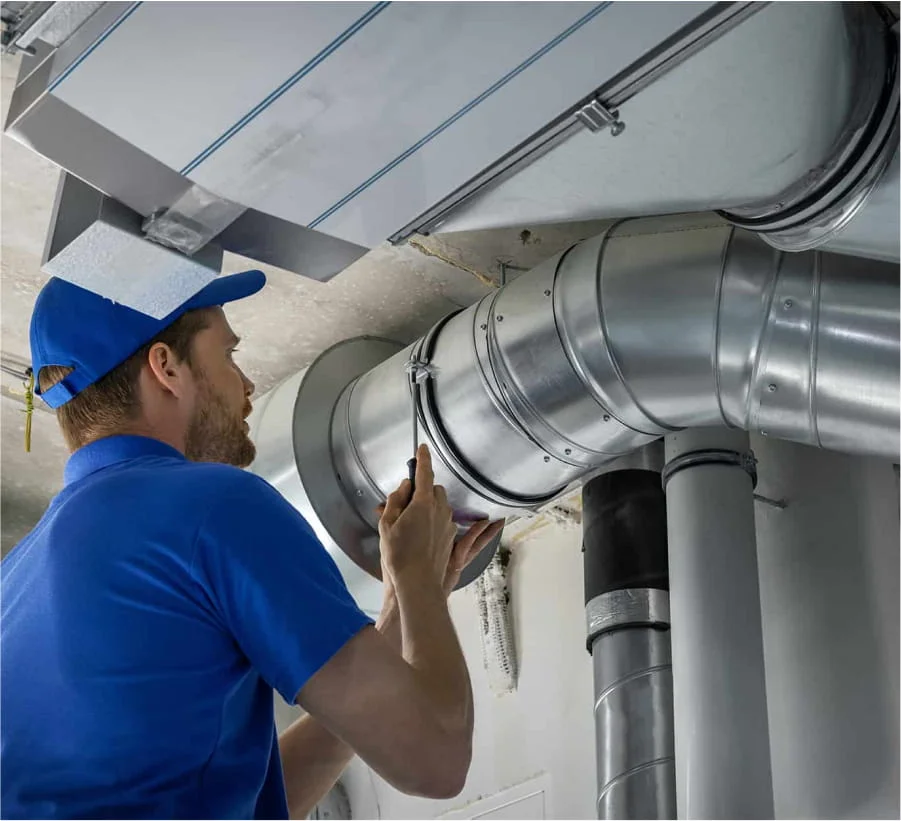
A well-functioning air conditioning system depends on every component working efficiently, and ductwork plays one of the most important roles in distributing conditioned air throughout a property. Over time, air conditioning ducts can become damaged, outdated, inefficient, or unsuitable for the building’s needs. When repairs are no longer enough, air conditioning duct replacement becomes an effective solution to restore comfort, improve energy efficiency, and enhance indoor air quality.
Damaged or ageing ducts can cause many problems, including uneven cooling, increased energy bills, poor airflow, and unnecessary strain on the HVAC system. Replacing old ductwork with a properly designed and professionally installed system can significantly improve overall air conditioning performance.
For homeowners, commercial property owners, and businesses, understanding when and why duct replacement is needed helps make informed decisions about HVAC maintenance and long-term efficiency.
This complete guide explains what air conditioning duct replacement involves, signs that indicate replacement is needed, benefits, costs, installation process, types of duct systems, and how to choose the right professional for the job.
What Is Air Conditioning Duct Replacement?
Air conditioning duct replacement is the process of removing old, damaged, or inefficient ductwork and installing a new duct system designed to distribute conditioned air effectively.
Ducts act as pathways that transport cooled or heated air from the HVAC unit to different areas of a building. When these pathways become damaged or inefficient, the entire system may struggle to maintain comfortable indoor temperatures.
A complete duct replacement may involve:
- Removing old duct sections
- Installing new duct materials
- Improving duct layout
- Upgrading insulation
- Sealing connections
- Testing airflow performance
Professional air conditioning duct replacement ensures the new duct system works efficiently with the existing HVAC equipment.
Why Air Conditioning Ducts Need Replacement
Ductwork is designed to last for many years, but environmental conditions, installation quality, and regular use can affect performance over time.
Common reasons for duct replacement include:
- Age-related deterioration
- Extensive leaks
- Damaged insulation
- Poor original installation
- Incorrect duct sizing
- Moisture damage
- Frequent repair requirements
When duct problems become severe, replacement may be more cost-effective than continuing repairs.
Signs You Need Air Conditioning Duct Replacement
Knowing the warning signs can help property owners address problems before they affect comfort and energy costs.
Uneven Cooling Throughout the Property
One of the most common indicators of duct problems is inconsistent temperature distribution.
You may notice:
- Some rooms are too warm
- Certain areas receive little airflow
- Cooling performance varies between spaces
This can happen when old ducts cannot properly distribute air.
Rising Energy Bills
A sudden increase in energy costs may indicate that your duct system is no longer operating efficiently.
Damaged ducts can allow conditioned air to escape, forcing the air conditioning system to work harder.
Replacing inefficient ductwork can improve energy performance and reduce unnecessary energy consumption.
Poor Airflow From Vents
Weak airflow from vents may indicate serious duct issues.
Possible causes include:
- Blocked ducts
- Collapsed sections
- Severe leaks
- Poor duct design
If repairs cannot restore performance, replacement may be recommended.
Frequent Duct Repairs
If you repeatedly repair the same duct problems, replacement may be a better long-term solution.
Constant repairs can become expensive and may not address underlying issues.
Old or Damaged Duct Materials
Older duct systems may experience:
- Cracks
- Corrosion
- Deteriorated insulation
- Loose connections
Replacing outdated ductwork improves reliability and efficiency.
Excessive Dust and Poor Indoor Air Quality
Damaged ducts can allow dust and contaminants to circulate throughout the property.
Signs may include:
- Increased dust buildup
- Unpleasant smells
- Allergy symptoms
- Reduced air freshness
New duct systems with proper sealing can improve indoor air quality.
Noisy HVAC Operation
Unusual sounds from ductwork may indicate structural problems.
Common noises include:
- Rattling
- Whistling
- Banging
- Air leakage sounds
These issues may suggest that the duct system requires replacement.
Benefits of Air Conditioning Duct Replacement
Replacing old ductwork provides several important advantages.
Improved Energy Efficiency
One of the biggest benefits of duct replacement is improved efficiency.
New duct systems are designed to:
- Reduce air leakage
- Improve airflow
- Maintain air temperature
This allows the HVAC system to operate more effectively.
Better Indoor Comfort
Properly designed ductwork distributes air evenly throughout the property.
Benefits include:
- More consistent temperatures
- Improved airflow
- Better comfort in every room
Lower Energy Costs
Efficient duct systems reduce the amount of energy required to maintain indoor temperatures.
By preventing air loss, replacement can help reduce unnecessary HVAC operation.
Improved Indoor Air Quality
New duct systems reduce problems associated with damaged and contaminated ductwork.
Benefits may include:
- Reduced dust circulation
- Cleaner airflow
- Better indoor environment
Reduced HVAC Stress
Poor ductwork forces air conditioning systems to work harder.
Replacing inefficient ducts helps reduce system strain and may extend HVAC equipment lifespan.
Better System Performance
A properly installed duct system allows the air conditioner to operate closer to its intended capacity.
This improves:
- Cooling performance
- Air distribution
- Overall reliability
Air Conditioning Duct Replacement vs Duct Repair
Many property owners are unsure whether they should repair or replace their ductwork.
When Duct Repair Is Enough
Repairs may be suitable when:
- Damage is minor
- The duct system is relatively new
- Leaks are limited
- Insulation damage is small
When Replacement Is Better
Replacement may be recommended when:
- Ducts are old
- Damage is widespread
- Repairs are frequent
- The duct design is inefficient
- Energy costs remain high
A professional inspection can determine the best option.
Types of Air Conditioning Duct Systems
Different properties may use different duct designs and materials.
Flexible Ducts
Flexible ducts are lightweight and commonly used in residential applications.
Advantages include:
- Easy installation
- Lower material costs
- Flexible routing options
However, they require proper installation to avoid airflow restrictions.
Sheet Metal Ducts
Sheet metal ducts are durable and commonly used in commercial and high-performance HVAC systems.
Benefits include:
- Long lifespan
- Strong construction
- Resistance to damage
Fiberglass-Lined Ducts
These ducts include insulation designed to reduce noise and improve temperature control.
They are often used in commercial environments.
Hybrid Duct Systems
Some properties use a combination of different duct materials depending on design requirements.
The Air Conditioning Duct Replacement Process
Understanding the replacement process helps property owners prepare.
Initial Inspection
The process begins with a detailed assessment of the existing duct system.
Technicians inspect:
- Duct condition
- Airflow performance
- Insulation quality
- System design
Duct System Planning
Before installation, professionals design a replacement system based on:
- Building size
- HVAC capacity
- Room layout
- Airflow requirements
Proper planning ensures better performance.
Removing Existing Ductwork
Old duct sections are carefully removed.
This may involve accessing ducts located in:
- Ceilings
- Walls
- Floors
- Attic spaces
Installing New Ducts
New ductwork is installed according to the planned design.
Installation includes:
- Connecting duct sections
- Sealing joints
- Installing insulation
- Securing duct supports
Testing the New System
After installation, technicians test:
- Airflow balance
- Temperature distribution
- System performance
Adjustments are made to ensure efficient operation.
Air Conditioning Duct Replacement Cost Factors
The cost of replacing ductwork varies depending on several factors.
Property Size
Larger properties require more duct materials and labour.
Duct System Complexity
Complex layouts may require additional installation time.
Duct Material
Different materials have different costs and performance characteristics.
Accessibility
Ducts located in difficult areas may increase labour requirements.
Additional Upgrades
Costs may increase if additional improvements are needed, such as:
- Improved insulation
- Air balancing
- System modifications
A professional assessment provides the most accurate cost estimate.
How Long Does Air Conditioning Duct Replacement Take?
The installation timeline depends on:
- Property size
- Duct complexity
- Accessibility
- Amount of replacement required
Small residential projects may take less time, while large commercial systems can require more extensive work.
How to Prepare for Duct Replacement
Property owners can prepare by:
- Clearing access areas
- Protecting furniture
- Discussing project expectations
- Planning around installation schedules
Good preparation helps the process run smoothly.
How to Choose an Air Conditioning Duct Replacement Professional
Selecting the right contractor is essential for successful results.
Experience and Expertise
Choose professionals with experience in HVAC duct systems.
Experienced technicians understand:
- Duct design
- Airflow requirements
- Installation standards
Proper Assessment Process
A reliable contractor should inspect the existing system before recommending replacement.
Quality Materials
High-quality duct materials improve durability and efficiency.
Transparent Pricing
A professional provider should explain:
- Required work
- Material choices
- Costs
- Expected results
Positive Customer Feedback
Reviews can help evaluate service quality and customer satisfaction.
Maintaining New Air Conditioning Ducts
Proper maintenance helps extend the life of a new duct system.
Recommended practices include:
- Changing air filters regularly
- Scheduling HVAC inspections
- Keeping vents clear
- Monitoring airflow performance
Regular maintenance protects your investment.
Common Mistakes to Avoid During Duct Replacement
Property owners should avoid several common mistakes.
Choosing the Cheapest Option
Low-cost installation may result in poor materials or improper design.
Ignoring Duct Design
A poorly designed replacement system may continue to create airflow problems.
Skipping Professional Installation
Incorrect installation can reduce efficiency and create future issues.
Not Considering Energy Efficiency
Modern duct systems should be designed with efficiency in mind.
Final Thoughts on Air Conditioning Duct Replacement
Old or damaged ductwork can significantly affect the performance of an air conditioning system. Poor airflow, rising energy costs, uneven temperatures, and indoor air quality problems are common signs that replacement may be necessary.
Professional air conditioning duct replacement provides a long-term solution by improving efficiency, comfort, and system reliability. A properly designed and installed duct system allows your HVAC equipment to operate more effectively while reducing unnecessary energy waste.
Whether you are dealing with ageing ductwork, repeated repairs, or an inefficient system design, replacing your air conditioning ducts can be a valuable investment in your property’s comfort and performance.
Choosing an experienced HVAC professional, using quality materials, and maintaining the new system properly will help ensure long-lasting results.
Frequently Asked Questions About Air Conditioning Duct Replacement
What is air conditioning duct replacement?
Air conditioning duct replacement involves removing old or damaged ductwork and installing a new system to improve airflow, efficiency, and indoor comfort.
How do I know if my AC ducts need replacement?
Signs include frequent repairs, poor airflow, uneven cooling, high energy bills, excessive dust, and damaged or ageing duct materials.
How much does air conditioning duct replacement cost?
The cost depends on property size, duct materials, system complexity, accessibility, and additional upgrades required.
Is duct replacement better than repair?
Replacement is usually better when ducts are old, severely damaged, inefficient, or require frequent repairs.
How long does new ductwork last?
With proper installation and maintenance, new duct systems can last many years.
Can new ducts reduce energy bills?
Yes. Efficient ductwork reduces air leakage and helps air conditioning systems operate more effectively.
Does replacing ducts improve indoor air quality?
Yes. New sealed duct systems can reduce dust circulation and improve overall airflow quality.
How long does air conditioning duct replacement take?
The timeline depends on the size and complexity of the property. Small systems may take less time, while larger projects require longer installation periods.