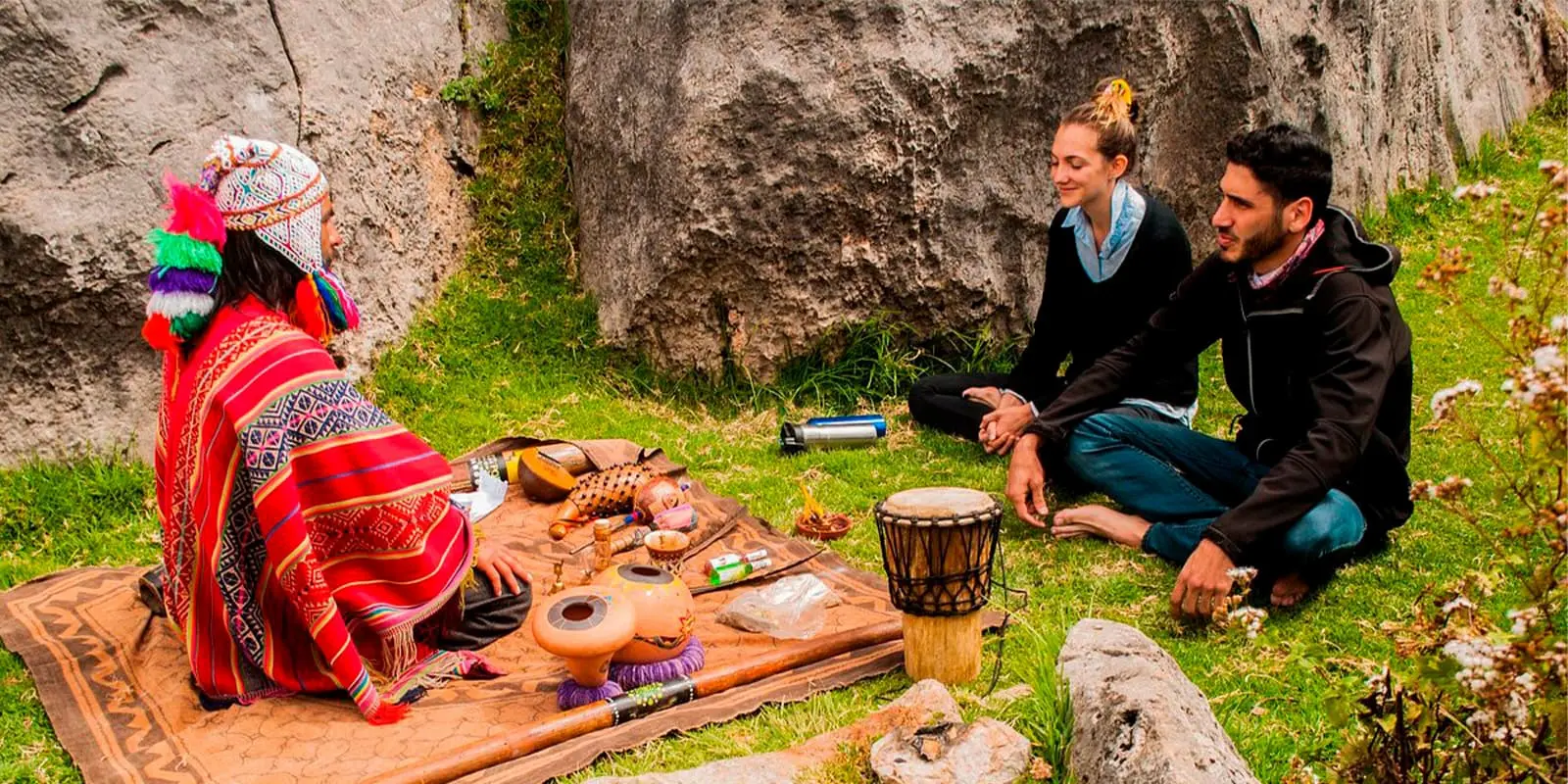
Ayahuasca ceremonies and rituals have been practiced within Amazonian spiritual traditions for generations. More than a simple gathering, a traditional ceremony can be a carefully structured spiritual experience involving prayer, sacred music, meditation, cleansing, reflection, and community. For people interested in learning about Ayahuasca-Yage, understanding the ceremonial environment is just as important as understanding the plant medicine itself.
At Kamentsa Inga Church – The Soul of the Hummingbird, Ayahuasca-Yage is approached within a sacred ceremonial framework inspired by ancestral traditions from the Colombian Amazon. The church describes its purpose as supporting spiritual transformation, consciousness, and communion with the Divine Creator through its ceremonial practices.
What Are Ayahuasca Ceremonies and Rituals?
Ayahuasca ceremonies are traditionally organized spiritual gatherings in which participants come together under the guidance of an experienced ceremonial leader or Taita. The rituals surrounding the experience can include prayers, sacred songs known as ikaros, incense, cleansing practices, meditation, and periods of quiet reflection.
The exact structure varies between traditions and communities. In the Kamentsa Inga Church tradition, the ceremonial setting is treated as sacred before, during, and after the ceremony. Ceremonies are generally held around a fire when conditions allow, creating an environment intended for contemplation and spiritual connection.
This emphasis on ceremony is significant because the experience is not presented simply as consuming a plant preparation. Instead, it is placed within a broader cultural and spiritual context that encourages intention, respect, awareness, and community.
The Importance of Preparation
Preparation can help participants approach an ayahuasca ceremony with greater awareness. Before the ceremony begins, the Taita or ceremonial team may explain the structure of the evening, discuss possible reactions, and provide practical guidance.
At Kamentsa Inga Church, the ceremony begins with an introduction in which participants receive information about what they may experience and important logistical details. This creates an opportunity for people to understand the setting before entering the ceremonial space.
Preparation is also about mindset. Participants may spend time considering why they are attending and what they hope to learn from the experience. Rather than approaching a ceremony as entertainment, many traditional settings emphasize humility, respect, patience, and openness.
It is also important to recognize that ayahuasca can produce intense psychological and physical effects. Anyone considering participation should research the legal status in their location, disclose relevant medications and health conditions to qualified professionals, and choose a setting that takes screening and participant safety seriously.
Opening Prayer and Sacred Space
One of the central elements of many ayahuasca ceremonies is the creation of a sacred environment. At Kamentsa Inga Church, the opening begins with a prayer of gratitude and requests for protection and guidance. The ceremony recognizes the elements, nature, ancestors, spiritual teachers, and the traditions connected with Ayahuasca-Yage.
This opening prayer establishes the tone for the gathering. It encourages participants to move away from everyday distractions and become present in the moment.
For people unfamiliar with ceremonial traditions, this part of the experience can be especially meaningful. It demonstrates that ayahuasca rituals are often built around a complete spiritual framework rather than a single event.
Cleansing and Connection

Cleansing practices are another important feature of the ceremonial approach. According to the Kamentsa Inga Church’s description of its rituals, participants may experience breathwork, personal connection exercises, incense, copal, sage, and other sacred elements as part of the preparation.
Within the church’s spiritual tradition, these practices are intended to help participants become still, focused, and connected with the ceremonial space.
The purpose of cleansing can also be understood symbolically. It creates a transition between ordinary daily life and the reflective environment of the ceremony. Participants are encouraged to leave behind distractions and focus on their intentions.
Ayahuasca-Yage and Sacred Music
Music plays a significant role in many ayahuasca traditions. Sacred songs, commonly called ikaros in several Amazonian traditions, can help shape the atmosphere of a ceremony.
At Kamentsa Inga Church, ancestral chants and different musical instruments are incorporated into the ceremonial environment. During the ceremony, sounds from harmonicas, guairas, drums, rattles, guitars, and other instruments may accompany the gathering.
Music can provide a continuous point of attention during an experience that may otherwise feel unfamiliar or overwhelming. Rather than functioning simply as background entertainment, ceremonial music is traditionally regarded as part of the spiritual work.
The role of songs also reflects the importance of oral tradition. Knowledge can be transmitted through sound, prayer, rhythm, and repeated ceremonial practices, helping connect contemporary participants with ancestral cultural frameworks.
The Ceremony Experience
After the sacrament is offered, participants generally enter a period of meditation, introspection, and observation. The experience can be different for every person. Some may experience strong emotions, memories, visions, physical sensations, or periods of deep silence.
A responsible ceremonial environment should allow participants to move through their experience without unnecessary pressure. The Kamentsa Inga Church describes its facilitators as helping maintain a comfortable and clean ceremonial space and providing personal assistance when participants need support.
This element of support is important. Ayahuasca experiences can be emotionally and physically intense, and participants should never feel that they have to manage difficult moments completely alone.
The Role of the Taita
The Taita holds an important position within the ceremonial structure of Kamentsa Inga Church. The church’s team page describes Taita Hector Ortiz as having studied ancestral Amazonian Ayahuasca-Yage traditions beginning in 2002 under teachers from the Inga and Kamentsa Biya communities of the Colombian Amazon. He was ordained as a Taita in 2009.
Within this tradition, the Taita serves as a guide and ceremonial leader. This highlights why cultural knowledge, experience, and responsible facilitation matter when people explore ayahuasca ceremonies and rituals.
A ceremony should never be treated as a substitute for professional medical or mental-health care. Participants should approach the experience responsibly and seek appropriate professional advice where necessary.
Closing Rituals and Cleansing
Ayahuasca ceremonies do not necessarily end when the effects of the sacrament begin to diminish. In traditional ceremonial settings, closing rituals help participants transition back into ordinary awareness.
Kamentsa Inga Church describes morning cleansing practices involving sacred elements, flower water, incense, tobacco, plant extracts, and ceremonial sounds. These practices are intended within the church’s spiritual framework to help participants complete the ceremony and restore a sense of balance.
The closing process reinforces an important principle: the experience is considered a complete journey with a beginning, middle, and end.
Integration: Bringing the Experience Into Daily Life
One of the most valuable aspects of ayahuasca ceremonies and rituals is integration. A powerful spiritual experience can leave participants with questions, emotions, memories, or insights that require time to understand.
At Kamentsa Inga Church, the ceremony concludes with an integration circle where community members can share their experiences. The church also describes individual post-integration sessions for participants who need a more private setting.
Integration does not mean accepting every vision or interpretation literally. Instead, it can involve thoughtful reflection on what the experience means personally, culturally, and practically.
Journaling, quiet reflection, conversations with trusted people, and professional support when appropriate can all help someone process an intense experience.
The Spiritual Philosophy of Kamentsa Inga Church
Kamentsa Inga Church – The Soul of the Hummingbird places its ceremonial practices within a broader spiritual philosophy. Its stated mission focuses on transformation, spiritual growth, and awakening of consciousness through Ayahuasca-Yage and ancestral ceremonial traditions.
The church also emphasizes connection with nature and respect for sacred plants. Its statement of beliefs describes Ayahuasca-Yage as part of a spiritual framework intended to encourage communion with the Divine Creator and deeper awareness of one’s relationship with nature.
This perspective helps explain why ceremony, prayer, music, cleansing, and integration are treated as interconnected elements.
Respecting Tradition and Choosing a Ceremony Responsibly
Anyone researching ayahuasca should distinguish between traditional ceremonial practice and commercialized experiences. A meaningful ceremonial environment should provide clear information, responsible guidance, appropriate participant screening, and respect for the cultural traditions from which the practices originate.
It is also essential to consider legal and health-related factors before participating. Ayahuasca contains psychoactive compounds and can interact with medications or underlying health conditions. People should obtain appropriate medical guidance and disclose relevant information before considering participation.
For those interested in the spiritual and cultural dimensions, learning about the traditions behind the ceremony can make the experience more informed and respectful.
A Journey of Reflection and Connection
Ayahuasca ceremonies and rituals represent a rich combination of spiritual practice, ancestral tradition, music, prayer, community, and personal reflection. While every ceremony can be different, the underlying emphasis on intention and respect remains important.
At Kamentsa Inga Church – The Soul of the Hummingbird, the ceremonial structure extends from opening prayer and preparation through sacred music, the Ayahuasca-Yage experience, cleansing, closing prayer, and integration. This holistic approach reflects the church’s stated connection to ancestral Amazonian traditions and its spiritual mission.
For anyone exploring this subject, understanding the ceremony itself is an essential first step. Ayahuasca is not simply about the moment of ingestion; within traditional settings, it is part of a larger journey that emphasizes preparation, guidance, reflection, community, and integration.
Ultimately, approaching Ayahuasca ceremonies and rituals with humility, cultural respect, informed consent, and responsible preparation can help people better understand why these practices continue to hold profound spiritual significance for communities around the world.