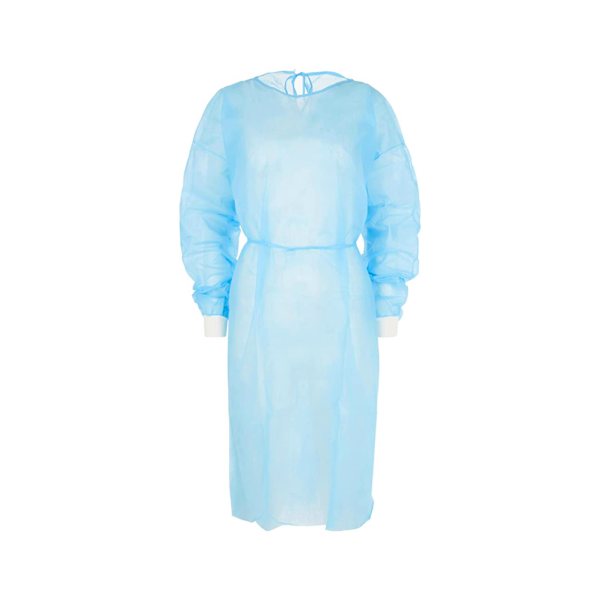
Healthcare, laboratory, and industrial environments require effective protective solutions to maintain hygiene, reduce contamination risks, and protect workers from harmful substances. Among the most commonly used personal protective equipment (PPE), a disposable gown plays an essential role in creating a protective barrier between individuals and potential hazards.
Disposable gowns are widely used in hospitals, clinics, laboratories, aged care facilities, pharmaceutical companies, food processing industries, and cleaning services. They help protect clothing and skin from exposure to fluids, contaminants, chemicals, and infectious materials.
Choosing the right disposable gown is important because different workplaces have different safety requirements. The quality, material, design, and protection level of a gown can directly affect workplace safety and infection control practices.
This complete guide explains everything you need to know about disposable gowns, including their uses, benefits, types, features, selection tips, and why reliable protective gowns are essential for healthcare and professional environments.
What Is a Disposable Gown?
A disposable gown is a single-use protective garment designed to protect the wearer’s clothing and skin from contamination, liquids, and hazardous materials.
Unlike reusable protective clothing, disposable gowns are designed to be worn once and then safely discarded. This helps minimise the risk of spreading contaminants between different areas or individuals.
Disposable gowns are commonly manufactured from lightweight protective materials such as:
Polypropylene
Polyethylene
Non-woven fabric
SMS fabric (spunbond-meltblown-spunbond)
Polyester blends
These materials provide different levels of protection depending on the intended application.
Disposable gowns are commonly used in:
Hospitals
Medical clinics
Dental practices
Laboratories
Pharmaceutical facilities
Aged care centres
Food processing businesses
Cleaning industries
Why Are Disposable Gowns Important?
Safety and infection control are critical in environments where workers are exposed to contaminants. Disposable gowns provide an additional protective layer that helps reduce direct contact with harmful materials.
They support workplace safety by protecting employees, patients, and customers.
Preventing Cross-Contamination
Cross-contamination occurs when harmful microorganisms or substances transfer from one surface or person to another.
Disposable gowns help reduce this risk by creating a barrier between the wearer and external contaminants.
After use, the gown can be removed and discarded, preventing contaminants from spreading to other areas.
Protecting Healthcare Workers
Healthcare professionals often work in environments where exposure to infectious materials is possible.
Disposable gowns help protect medical workers from:
Blood
Body fluids
Respiratory droplets
Contaminated surfaces
Infectious materials
They allow healthcare workers to perform their responsibilities with greater safety and confidence.
Supporting Patient Protection
Patients expect healthcare facilities to maintain high hygiene standards.
Using disposable gowns during medical procedures helps create cleaner environments and reduces unnecessary infection risks.
Maintaining Workplace Hygiene
Many industries have strict hygiene requirements.
Disposable gowns support these standards by providing clean protective clothing for workers during sensitive tasks.
Types of Disposable Gowns
Disposable gowns are available in different styles and materials to meet various workplace needs.
Disposable Isolation Gowns
Isolation gowns are one of the most common types of disposable gowns used in healthcare.
They provide protection during:
Patient care
Medical examinations
Routine procedures
Infection control activities
These gowns help prevent contamination of clothing and skin.
Surgical Disposable Gowns
Surgical gowns are designed for higher-risk medical environments where stronger protection is required.
They are commonly used during:
Surgical procedures
Operating room activities
Sterile medical tasks
Surgical gowns usually provide enhanced barrier protection compared to standard disposable gowns.
Disposable Patient Gowns
Disposable patient gowns are designed for use by patients during medical examinations and procedures.
They provide comfort while maintaining hygiene standards.
Fluid-Resistant Disposable Gowns
Fluid-resistant gowns are designed to protect against liquid exposure.
They are commonly used where workers may encounter:
Blood
Body fluids
Cleaning chemicals
Other liquid contaminants
Lightweight Disposable Gowns
Lightweight gowns are suitable for general protection where maximum mobility and comfort are required.
They are commonly used in:
General healthcare
Food handling
Cleaning operations
Key Features of a Quality Disposable Gown
Choosing a high-quality disposable gown ensures better protection and comfort.
Protective Material
The material determines how effectively the gown protects against contaminants and fluids.
Quality gowns should provide:
Strong barrier protection
Reliable durability
Comfortable wear
Appropriate fluid resistance
Elastic Cuffs
Many disposable gowns include elastic cuffs around the wrists.
These cuffs help:
Improve fit
Prevent exposure around sleeves
Work effectively with gloves
Secure Closures
A good disposable gown should remain securely fastened during use.
Common closure options include:
Tie-back designs
Snap buttons
Hook-and-loop fasteners
Secure closures improve overall protection.
Comfortable Fit
Healthcare and industrial workers may wear gowns for extended periods.
Comfortable designs allow:
Easy movement
Better flexibility
Reduced heat buildup
Improved productivity
Breathable Fabric
Protective gowns should provide safety without causing excessive discomfort.
Breathable materials help workers stay comfortable during long shifts.
Benefits of Using Disposable Gowns
Disposable gowns provide several advantages for healthcare and professional environments.
Improved Infection Control
The main benefit of disposable gowns is reducing contamination risks.
They create a protective barrier that helps prevent microorganisms and harmful substances from reaching clothing or skin.
Enhanced Worker Safety
Employees feel safer when they have access to reliable protective equipment.
Disposable gowns help reduce workplace exposure and support safer working conditions.
Convenient Single-Use Protection
Disposable gowns eliminate the need for washing and sterilisation.
After use, they can be safely removed and replaced with a new gown.
This makes them practical for high-demand environments.
Cost-Effective Solution
Disposable gowns provide affordable protection compared to many reusable alternatives.
Businesses can purchase them in bulk and maintain a reliable supply.
Better Compliance With Safety Practices
Providing appropriate PPE helps businesses maintain workplace safety procedures and industry standards.
Industries That Use Disposable Gowns
Disposable gowns are used across many sectors where hygiene and protection are important.
Hospitals and Healthcare Facilities
Hospitals are among the largest users of disposable gowns.
They are used in:
Emergency departments
Patient rooms
Surgical areas
Isolation units
Medical procedures
Healthcare facilities rely on disposable gowns to maintain infection control.
Dental Clinics
Dental professionals require protective clothing because procedures may involve exposure to saliva and droplets.
Disposable gowns help protect dentists, assistants, and patients.
Laboratories
Laboratories require protective equipment when handling biological samples, chemicals, and research materials.
Disposable gowns help prevent contamination and protect workers.
Pharmaceutical Industry
Pharmaceutical companies operate under strict cleanliness requirements.
Disposable gowns help maintain controlled environments and protect sensitive products.
Aged Care Facilities
Aged care facilities use disposable gowns to protect vulnerable residents and healthcare workers.
They support infection prevention during daily care activities.
Food Processing Industry
Food businesses use disposable gowns to maintain hygiene during food preparation and manufacturing.
They help prevent contamination from clothing and external particles.
How to Choose the Right Disposable Gown
Selecting the correct disposable gown requires careful consideration.
Understand Your Workplace Requirements
Different industries have different protection needs.
Consider:
Type of exposure
Required protection level
Duration of use
Work environment
Understanding these factors helps you choose suitable gowns.
Choose the Correct Protection Level
Not every disposable gown provides the same protection.
Some situations require basic protection, while others need higher barrier performance.
Always select gowns according to the task requirements.
Consider Material Quality
The gown material affects comfort and protection.
SMS fabric, polypropylene, and fluid-resistant materials are commonly selected for professional applications.
Select the Right Size
Proper sizing improves comfort and effectiveness.
A gown should provide enough coverage without restricting movement.
Available sizes often include:
Small
Medium
Large
Extra Large
Evaluate Supplier Reliability
A trusted supplier should provide:
Consistent product quality
Reliable stock availability
Fast delivery
Competitive pricing
Professional support
A dependable supplier helps businesses avoid PPE shortages.
Disposable Gown vs Reusable Gown
Businesses often compare disposable and reusable protective gowns.
Disposable Gowns
Advantages include:
Single-use convenience
Reduced contamination risk
No cleaning requirements
Easy replacement
Suitable for high-volume environments
Reusable Gowns
Advantages include:
Long-term use
Reduced waste
Durability
However, they require proper cleaning, sterilisation, and maintenance.
The right choice depends on workplace requirements, budget, and safety needs.
Common Mistakes When Buying Disposable Gowns
Selecting the wrong protective gown can affect safety and efficiency.
Choosing Based Only on Price
Low-cost gowns may not provide the required protection.
Businesses should focus on quality and suitability rather than price alone.
Ignoring Material Differences
Different materials offer different levels of protection.
Choosing unsuitable materials may reduce effectiveness.
Buying Incorrect Sizes
Poor-fitting gowns can reduce comfort and protection.
Proper sizing is important for workplace safety.
Not Maintaining Enough Inventory
Healthcare facilities and businesses should maintain sufficient stock to avoid shortages.
Sustainable Considerations for Disposable Gowns
Environmental responsibility is becoming increasingly important.
Businesses can improve sustainability by:
Choosing responsible suppliers
Using gowns efficiently
Following proper waste disposal procedures
Selecting products with improved packaging solutions
Manufacturers are also developing more environmentally conscious protective products.
Importance of Buying Disposable Gowns From Reliable Suppliers
A professional supplier ensures businesses receive dependable protective equipment.
Reliable suppliers provide:
Quality assurance
Bulk ordering options
Consistent availability
Product guidance
Timely delivery
Choosing the right supplier helps maintain workplace safety and operational efficiency.
How Disposable Gowns Support Better Workplace Safety
Disposable gowns contribute to safer environments by:
Reducing contamination risks
Protecting employees
Supporting hygiene procedures
Improving infection control
Maintaining professional standards
They are an essential part of PPE systems in many industries.
Final Thoughts
A disposable gown is a valuable protective solution used across healthcare, laboratories, food industries, and professional workplaces. It provides a simple and effective barrier against contaminants, fluids, and workplace hazards.
Choosing the right disposable gown requires understanding your specific needs, protection requirements, material options, and supplier reliability.
Whether used in hospitals, clinics, laboratories, or industrial environments, quality disposable gowns help protect workers, support hygiene standards, and improve workplace safety.
Investing in reliable disposable gowns is an important step toward creating safer and cleaner working environments.
Frequently Asked Questions
What is a disposable gown used for?
A disposable gown is used to protect clothing and skin from contaminants, fluids, infectious materials, and workplace hazards in healthcare and professional environments.
Are disposable gowns reusable?
Most disposable gowns are designed for single use. Reusable protective gowns are available but require proper cleaning and sterilisation.
What materials are disposable gowns made from?
Disposable gowns are commonly made from polypropylene, polyethylene, SMS fabric, non-woven materials, and polyester blends.
Where are disposable gowns commonly used?
Disposable gowns are used in hospitals, clinics, laboratories, pharmaceutical facilities, aged care centres, food processing, and cleaning industries.
How do I choose the right disposable gown?
Choose based on protection level, material quality, workplace application, comfort, size, and supplier reliability.
What is the difference between an isolation gown and a disposable gown?
An isolation gown is a specific type of disposable gown designed mainly for infection control and contamination prevention. Disposable gowns can include different styles for various applications.
Why are disposable gowns important in healthcare?
Disposable gowns help protect healthcare workers and patients by reducing exposure to infectious materials and supporting infection prevention practices.