Protecting clothing and exposed skin is important in workplaces where employees regularly handle food, liquids, cleaning products, laboratory materials, healthcare supplies, or other substances that could cause contamination. Full protective garments are useful for many situations, but sometimes additional protection is needed specifically around the arms and sleeves.
Disposable sleeve covers provide a practical protective layer over the forearms and clothing sleeves. They are commonly used in food processing, healthcare, laboratories, cleaning, manufacturing, pharmaceutical operations, beauty services, and other environments where hygiene and contamination control are important.
Sleeve covers are available in different materials, lengths, thicknesses, colours, and designs. Some are lightweight products intended primarily for general hygiene applications, while others provide greater resistance to liquids or workplace contaminants.
Selecting the right sleeve protection means considering the actual task rather than simply choosing the cheapest product. This guide covers the common applications, materials, benefits, sizing, use, storage, and purchasing considerations associated with disposable sleeve covers.
What Are Disposable Sleeve Covers?
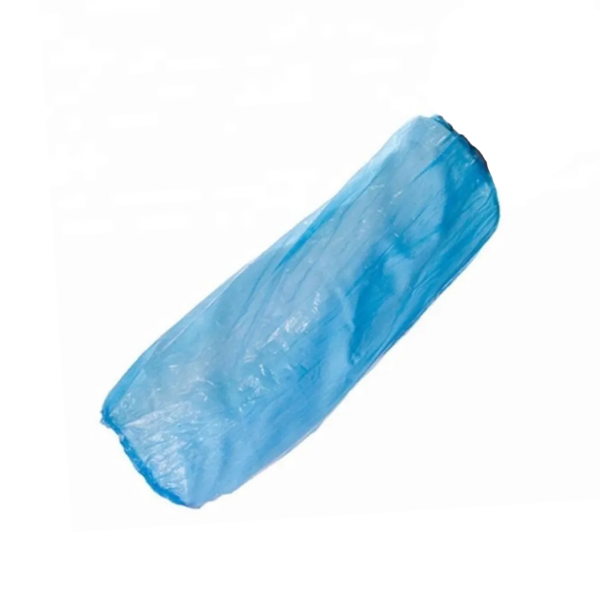
Disposable sleeve covers are protective garments designed to fit over a person’s arms and clothing sleeves. Most extend from approximately the wrist to the upper arm and use elasticated openings to help keep the cover in position.
They create an additional barrier between the worker’s clothing and the surrounding work environment.
Depending on their material and design, sleeve covers may help protect against dirt, light splashes, food particles, dust, and other forms of contamination. The actual level of protection depends on the individual product.
Sleeve covers are generally designed for limited or single-use applications according to manufacturer instructions. After use, they can be removed and discarded through the appropriate waste stream.
They should not automatically be considered a replacement for protective gowns, coveralls, chemical-resistant clothing, or other specialised PPE.
Instead, they are useful when arm protection is appropriate for the task. Businesses should check product specifications and workplace requirements before deciding whether sleeve covers provide sufficient coverage and protection.
Why Are Disposable Sleeve Covers Used?
The arms frequently come into contact with work surfaces, equipment, products, liquids, and other materials during everyday tasks.
A food-processing worker may reach across a preparation table. A laboratory employee may work close to samples and equipment. A cleaner may experience splashes while wiping surfaces, while a production worker’s clothing sleeves may come into contact with materials being processed.
Sleeve covers create an additional protective layer in these situations.
They can help keep clothing cleaner while also supporting contamination-control procedures where appropriate.
Disposable products can be particularly convenient because they do not require laundering after every use. Workers can remove them according to workplace procedures and use a fresh pair when required.
However, sleeve covers should always be matched to the hazard.
A lightweight cover intended for hygiene purposes should not automatically be used for hazardous chemical exposure. Where significant risks exist, businesses should select specialised PPE according to risk assessments, safety information, and applicable workplace requirements.
Benefits of Disposable Sleeve Covers
One of the main benefits of Disposable sleeve covers is their simplicity.
Workers can generally put them over their arms quickly without changing their normal clothing. Elasticated ends help keep the covers in place while allowing reasonable freedom of movement.
They can also provide targeted protection.
If the main contamination risk is around the forearms and clothing sleeves, using sleeve covers may be more practical for certain tasks than wearing additional full-body protective clothing, provided workplace safety requirements allow it.
Disposable designs can support hygiene procedures because fresh covers can be used between relevant tasks, work areas, or production processes.
Another advantage is the range of available products.
Businesses can choose from lightweight nonwoven covers, polyethylene products, coated materials, and other designs depending on the intended application.
Colour options may also support workplace organisation.
Ultimately, the value of sleeve covers depends on correct selection and use. They provide a useful additional barrier but should form part of a broader hygiene or PPE system where required.
Common Materials Used for Disposable Sleeve Covers
Material selection influences comfort, breathability, durability, and resistance to liquids.
Polyethylene, commonly called PE, is frequently used for disposable protective covers. PE sleeve covers can provide a lightweight barrier and are often selected for environments where resistance to light liquid exposure or contamination is useful.
Polypropylene is another common material. Nonwoven polypropylene products can be lightweight and relatively breathable, making them useful for selected hygiene and general protective applications.
Some sleeve covers use coated or laminated materials designed to provide additional barrier characteristics.
Products can also differ in thickness even when manufactured from the same basic material.
A thicker sleeve cover may provide greater durability but can potentially feel warmer or less flexible. Lightweight products can be comfortable for short tasks but may not withstand demanding work as effectively.
Material names alone do not define performance. Buyers should review product specifications and choose according to the actual workplace application.
Disposable Sleeve Covers for Food Handling
Food manufacturing, catering, commercial kitchens, bakeries, meat processing, food packing, and similar operations often have strict hygiene procedures.
Workers’ clothing can potentially come into contact with food, preparation surfaces, ingredients, packaging, or equipment.
Disposable sleeve covers can provide an additional barrier over clothing sleeves during suitable food-handling and processing activities.
Businesses should select products that are appropriate for their intended environment and confirm relevant product information where food contact requirements apply.
Colour can also be useful in food operations.
Some businesses use different colours to identify work areas, employee roles, shifts, or hygiene zones. This can support internal contamination-control systems.
Sleeve covers do not replace handwashing, gloves where required, aprons, protective clothing, or other hygiene practices.
They should instead be incorporated into the facility’s established procedures.
Workers also need clear instructions about when covers should be changed. Continuing to wear a contaminated cover between different work areas can undermine the hygiene benefit it was intended to provide.
Disposable Sleeve Covers in Healthcare
Healthcare workers may encounter situations where additional arm or clothing protection is useful.
Sleeve covers can potentially be used for selected tasks in healthcare, aged care, dental, laboratory, pharmaceutical, and related environments depending on facility procedures and the expected exposure.
However, they should not automatically replace isolation gowns or other protective clothing.
An isolation gown generally provides broader protection across the torso and arms. A sleeve cover protects a much smaller area.
For tasks where extensive body coverage is required, sleeve covers alone would not provide equivalent protection.
Healthcare organisations should therefore base PPE selection on a risk assessment and relevant infection-control procedures.
Where Disposable sleeve covers are appropriate, buyers should consider material, coverage, cuff design, barrier properties, fit, comfort, intended use, and product documentation.
Staff should also receive appropriate instructions for putting on and removing sleeve covers to minimise unnecessary contact with potentially contaminated outer surfaces.
Sleeve Covers for Laboratories
Laboratories may use sleeve covers to help protect clothing or maintain controlled working conditions during appropriate activities.
A laboratory worker frequently reaches across benches, handles containers, operates equipment, and works near samples or materials. Clothing sleeves can therefore become a potential contamination point.
Disposable arm covers create a barrier over this area.
However, laboratory risks vary substantially.
A general quality-control laboratory may have different requirements from a facility working with hazardous chemicals or biological materials.
No single sleeve cover is suitable for every laboratory environment.
Where chemicals are involved, businesses should consider compatibility with the specific substance rather than assuming that a disposable material will provide sufficient protection.
Safety data sheets, workplace risk assessments, manufacturer documentation, and applicable safety procedures should guide PPE selection.
Sleeve covers may also be used alongside laboratory coats, gloves, safety glasses, face protection, or other PPE where required.
Correct combinations depend on the task and expected exposure.
Disposable Sleeve Covers for Cleaning
Professional cleaning can involve regular contact with dirt, moisture, waste, detergents, disinfectants, and other cleaning products.
Sleeve covers may provide additional protection over clothing during selected tasks where splashes or surface contact around the arms are expected.
For example, workers performing general cleaning may want to prevent uniform sleeves from becoming wet or dirty.
A disposable cover can be removed after the task rather than requiring the employee to immediately change clothing.
However, cleaning chemicals deserve particular attention.
A basic disposable sleeve cover is not necessarily chemical-resistant PPE.
If workers handle concentrated chemicals or substances capable of causing skin injury, the protective clothing must be selected specifically for those hazards.
Employers should review relevant safety data and chemical compatibility information where appropriate.
For routine applications, businesses should consider cover length, material, durability, elastic strength, and comfort.
Products that constantly slide down the arm or tear during normal movement can create frustration and unnecessary waste.
Sleeve Covers in Manufacturing and Production
Manufacturing facilities use disposable protective clothing for many different purposes.
In some environments, the goal is protecting workers’ clothing from materials used during production. In others, protective garments help prevent workers from introducing unwanted contamination into a product or controlled area.
Disposable sleeve covers can support both objectives depending on their design and intended use.
Common applications may include assembly, packaging, pharmaceutical production, electronics, cosmetics manufacturing, food production, and other controlled processes.
The correct material depends on workplace conditions.
A breathable nonwoven cover may be sufficient where dust or general contamination is the main concern. Tasks involving liquids may require a product with different barrier characteristics.
Durability should also reflect the work being performed.
Production workers may perform repetitive arm movements for several hours. A sleeve cover that tears at the elastic or seams can increase consumption and disrupt workflow.
Trialling products under normal working conditions can help businesses evaluate performance before committing to large bulk orders.
Disposable Sleeve Covers for Beauty and Personal Care
Beauty salons, spas, hairdressers, tattoo studios, and other personal-care businesses may use disposable protective products to support workplace cleanliness.
Sleeve covers can help protect clothing during selected treatments or cleaning tasks where products, liquids, dyes, or other materials could contact the arms.
They may also be useful where businesses have procedures designed to minimise cross-contamination between particular activities.
Comfort and appearance can be important in customer-facing environments.
Lightweight products that allow easy arm movement may be preferred for tasks requiring precision.
However, beauty professionals also work with a variety of chemicals and treatment products.
Businesses should not assume that a general disposable sleeve cover provides chemical protection. Where hazardous substances are involved, appropriate PPE should be selected according to product safety information and workplace requirements.
Sleeve covers should be changed when necessary and disposed of appropriately.
Good hygiene still depends on proper handwashing, surface cleaning, equipment procedures, and the correct use of other PPE.
Waterproof vs Water-Resistant Sleeve Covers
Terms such as waterproof, fluid-resistant, and water-resistant can be confusing when comparing protective products.
Buyers should avoid treating these descriptions as interchangeable without checking product specifications.
A lightweight polyethylene cover may provide useful resistance to certain splashes, but that does not necessarily mean it provides complete waterproof protection under every condition.
Seams, elastic openings, thickness, material construction, and duration of exposure can all affect performance.
If liquid exposure is a major workplace hazard, businesses should look for specific technical information supporting the manufacturer’s claims.
The type of liquid also matters.
A product that resists water does not automatically provide adequate resistance to cleaning chemicals, solvents, oils, or other substances.
Rather than choosing based on a product title alone, buyers should define the exposure they need protection against.
This makes it easier to identify Disposable sleeve covers with barrier properties appropriate for the intended work.
Choosing the Right Size and Length
Sleeve covers need to provide enough coverage while allowing employees to move comfortably.
Products are available in different lengths, although some are marketed as universal or one-size designs.
The cover should extend across the area that needs protection without leaving unnecessary gaps between other pieces of PPE.
Elasticated wrist and upper-arm openings are commonly used to hold the cover in position.
Elastic should be secure without being excessively tight. A cover that constantly slips down can interfere with work, while one that is too tight may become uncomfortable during prolonged use.
Businesses with diverse workforces should test whether a particular universal-size product genuinely accommodates their employees.
Length should also be considered alongside other protective clothing.
If workers wear gloves, aprons, gowns, or coats, the PPE should work together appropriately.
Testing a small quantity before making a bulk purchase is often a practical way to assess fit, coverage, comfort, and movement.
How to Use Disposable Sleeve Covers Correctly
Protective products are most effective when employees understand how and when to use them.
Workers should start with appropriate hand hygiene and other preparation required by workplace procedures.
Sleeve covers should be placed over the arms without damaging the material. Elastic openings should sit securely, and the cover should extend across the required area.
If gloves or other PPE are being worn, employees should follow the organisation’s approved donning sequence.
During use, damaged or heavily contaminated covers may need to be replaced.
Workers should avoid unnecessarily touching the outer surface when removing used covers, particularly where contamination may be present.
After removal, disposable products should be placed into the appropriate waste stream according to workplace procedures.
Hand hygiene should then be performed where required.
Organisations should train employees according to the specific risks of their environment rather than assuming disposable PPE is automatically intuitive to use correctly.
Disposable vs Reusable Sleeve Covers
Disposable and reusable sleeve protection each have potential advantages.
Disposable covers offer convenience. After use, they can be discarded according to workplace procedures, removing the need for laundering and reprocessing.
This can be useful in environments where frequent garment changes are required.
Reusable sleeve covers can reduce reliance on continuous single-use supplies, but they need suitable cleaning, inspection, storage, and replacement procedures.
The correct choice depends on workplace requirements.
Businesses should consider contamination risks, frequency of use, laundry capability, material performance, total cost, waste management, employee comfort, and operational convenience.
A simple purchase-price comparison may not provide the full picture.
Reusable products have laundering and handling costs, while disposable products create ongoing purchasing and waste-disposal requirements.
For either option, the product must still provide protection appropriate for the task.
Buying Disposable Sleeve Covers in Bulk
Businesses with regular consumption can often benefit from bulk purchasing.
Food manufacturers, healthcare facilities, cleaning companies, laboratories, warehouses, beauty businesses, and production operations may use significant quantities over time.
Before purchasing large volumes, determine typical weekly or monthly consumption.
Check how many individual covers or pairs are included in each package and how many packages are contained in a carton.
This allows buyers to calculate a meaningful unit cost.
Price should then be considered alongside quality.
Very inexpensive sleeve covers may provide poor value if elastic fails, seams split, or the material tears frequently during ordinary work.
Storage capacity is another consideration.
Buying more than the business can reasonably use or store can create unnecessary inventory.
The best bulk purchasing strategy combines an appropriate product, predictable consumption, competitive unit pricing, adequate storage, and a reliable supplier.
What to Look for When Buying Disposable Sleeve Covers
Start by identifying exactly why arm protection is required.
Consider whether the main concern is general hygiene, dust, dirt, light liquid splashes, product contamination, or another workplace hazard.
Next, compare material and barrier characteristics.
Length, thickness, elastic design, seams, comfort, colour, packaging, and intended use may also influence the decision.
Where regulatory, food-contact, medical, cleanroom, or chemical requirements apply, relevant product documentation should be checked.
Supplier reliability matters for high-consumption workplaces.
A product that performs well but is frequently unavailable can create procurement difficulties.
Businesses should also calculate unit pricing carefully when comparing cartons with different quantities.
Finally, consider staff feedback.
Employees who wear Disposable sleeve covers throughout their working day can identify practical problems involving fit, slipping, tearing, heat, restricted movement, or comfort that may not be obvious from a product description.
Managing Sleeve Cover Inventory
Inventory management helps ensure disposable PPE remains available without creating unnecessary overstock.
Businesses should monitor normal usage by department or work area and establish practical reorder points.
Demand may not remain constant.
Food manufacturers may experience seasonal production peaks, healthcare facilities may see changing PPE requirements, and cleaning businesses may add new contracts that increase consumption.
Stock levels should therefore be reviewed periodically.
Sleeve covers should be stored according to manufacturer recommendations and kept in suitable conditions that protect packaging and product quality.
Different sizes, materials, or colours should be clearly organised where multiple products are used.
Employees should also understand where fresh stock is stored and when replacement covers should be used.
Combining reliable purchasing with straightforward inventory controls can reduce emergency orders, stock shortages, excessive storage, and unnecessary waste.
Frequently Asked Questions About Disposable Sleeve Covers
What are disposable sleeve covers used for?
Disposable sleeve covers are used to provide a protective barrier over the arms and clothing sleeves. They may be used in food processing, healthcare, laboratories, cleaning, manufacturing, beauty, pharmaceutical, and other professional environments depending on workplace requirements.
What are disposable sleeve covers made from?
Common materials include polyethylene and nonwoven polypropylene. Coated or laminated materials may also be available. The appropriate material depends on the required barrier, comfort, durability, and intended application.
Are disposable sleeve covers waterproof?
Some products provide resistance to water or liquid splashes, but not every sleeve cover is fully waterproof. Buyers should review the manufacturer’s specific barrier claims and product information.
Can sleeve covers be used for food handling?
Certain sleeve covers may be suitable for food-processing or food-handling environments. Businesses should confirm product suitability and applicable food-related requirements before use.
Are disposable sleeve covers used in healthcare?
They may be used for selected healthcare activities where additional arm protection is appropriate. However, sleeve covers do not automatically replace isolation gowns or other PPE where greater body coverage is required.
Can disposable sleeve covers protect against chemicals?
A general disposable sleeve cover should not automatically be assumed to provide chemical protection. Chemical compatibility and relevant safety information should be reviewed before selecting PPE for hazardous substances.
How long can disposable sleeve covers be worn?
The appropriate period depends on the task, contamination risk, workplace procedures, and manufacturer’s instructions. Covers should be replaced when required, including when damaged or when procedures require a fresh protective garment.
Are disposable sleeve covers reusable?
Products specifically described as disposable are generally intended for limited or single use according to manufacturer instructions. Businesses requiring reusable arm protection should select products designed for repeated cleaning and reuse.
Can disposable sleeve covers be purchased in bulk?
Yes. PPE, healthcare, cleaning, food-service, and industrial suppliers commonly sell sleeve covers in boxes, bags, cartons, or larger quantities. High-volume buyers should compare unit cost as well as material, quality, packaging, and supplier reliability.
How do I choose the right sleeve covers?
Consider the workplace hazard, material, required barrier performance, length, fit, elastic openings, durability, comfort, intended use, relevant product documentation, and compatibility with other PPE.
Conclusion
Disposable sleeve covers provide a simple and practical way to add protection around the arms and clothing sleeves in workplaces where hygiene, contamination control, and cleanliness are important.
They are commonly used across food processing, healthcare, laboratories, cleaning, manufacturing, pharmaceutical production, beauty services, and other professional environments. However, the correct product depends on the task.
Material, barrier properties, length, fit, durability, comfort, and intended use should all be considered before purchasing.
Sleeve covers should also be viewed as one component of a broader workplace hygiene or PPE system rather than a universal replacement for gowns, coveralls, gloves, or specialised chemical-resistant clothing.
Businesses that use disposable protective clothing regularly can improve purchasing efficiency by tracking consumption, ordering practical bulk quantities, maintaining sensible inventory levels, and choosing reliable suppliers.
With the correct product and appropriate workplace procedures, disposable sleeve protection can help businesses maintain cleaner clothing, reduce contamination risks, and support efficient day-to-day operations.