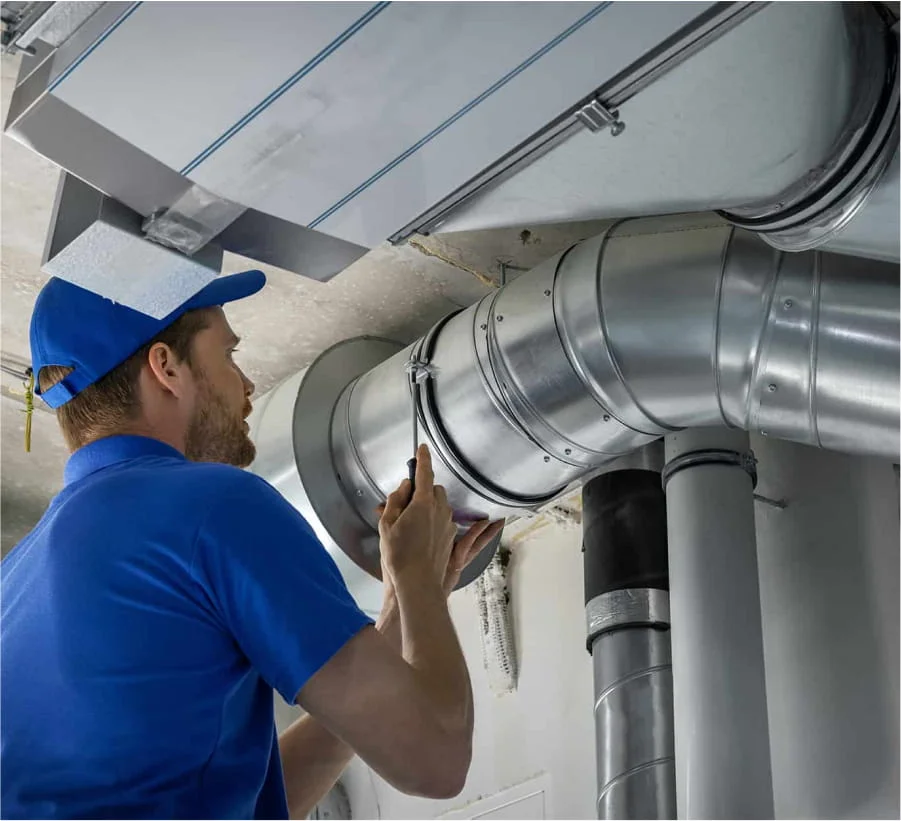
A properly functioning duct system plays an important role in maintaining comfortable temperatures and healthy indoor air quality. Your air ducts are responsible for distributing heated or cooled air throughout your home or commercial property. However, over time, ducts can develop problems such as leaks, cracks, poor connections, insulation damage, and airflow restrictions.
When these issues occur, your heating and cooling system may have to work harder, leading to higher energy bills, uneven temperatures, and reduced comfort. This is where professional duct repairs become essential.
Duct repair services help restore the performance of your HVAC system by identifying damaged areas and repairing them effectively. Whether your ducts are leaking, disconnected, damaged by pests, or suffering from wear and tear, professional repairs can improve efficiency and extend the lifespan of your system.
This guide explains everything you need to know about duct repairs, including common problems, warning signs, repair methods, benefits, costs, and how to choose the right professional service.
What Are Duct Repairs?
Duct repairs involve fixing damaged or faulty air duct systems to restore proper airflow and improve HVAC performance.
Air ducts are usually hidden behind walls, ceilings, floors, or in roof spaces, making problems difficult to detect without professional inspection. Over time, ducts can deteriorate due to age, environmental conditions, poor installation, or physical damage.
Common duct repair services include:
- Fixing duct leaks
- Sealing gaps and cracks
- Repairing damaged duct sections
- Reconnecting loose ducts
- Replacing damaged insulation
- Improving airflow problems
- Repairing flexible or rigid duct systems
Professional duct repairs ensure that conditioned air reaches the intended areas of your property efficiently.
Why Are Duct Repairs Important?
Many homeowners overlook duct problems because they are not always visible. However, damaged ductwork can significantly affect your comfort, energy efficiency, and indoor air quality.
1. Improve Energy Efficiency
Leaking or damaged ducts allow conditioned air to escape before reaching your rooms.
This means your HVAC system must operate for longer periods to maintain the desired temperature.
Professional duct repairs help:
- Reduce air loss
- Improve system efficiency
- Lower energy consumption
- Reduce heating and cooling costs
A properly sealed duct system allows your HVAC unit to work more effectively.
2. Maintain Comfortable Indoor Temperatures
Have you noticed some rooms are warmer or cooler than others?
Uneven temperatures are often caused by duct problems.
Damaged ducts can prevent air from reaching certain areas of your home, creating inconsistent comfort levels.
Duct repairs restore proper airflow distribution and help maintain balanced temperatures throughout your property.
3. Improve Indoor Air Quality
Damaged ducts can allow dust, dirt, moisture, and contaminants to enter your air supply.
This can affect indoor air quality and may contribute to:
- Increased dust levels
- Unpleasant smells
- Poor air circulation
- Allergy concerns
Repairing damaged ducts helps create a cleaner and healthier indoor environment.
4. Extend HVAC System Lifespan
When ductwork has leaks or restrictions, your HVAC system has to work harder.
This extra strain can lead to:
- More frequent breakdowns
- Increased maintenance needs
- Shorter equipment lifespan
Regular duct repairs reduce unnecessary stress on your heating and cooling system.
Common Signs You Need Duct Repairs
Identifying duct problems early can prevent bigger and more expensive issues.
Here are some common signs that your duct system may need attention.
Uneven Heating or Cooling
If certain rooms receive less airflow than others, your ducts may have leaks, blockages, or connection issues.
Uneven temperatures are one of the most common indicators of duct problems.
Higher Energy Bills
A sudden increase in heating or cooling costs may indicate that your HVAC system is losing efficiency.
Leaky ducts force your system to work harder, increasing energy usage.
Weak Airflow From Vents
If air coming from your vents feels weaker than usual, there may be:
- Duct leaks
- Blockages
- Damaged sections
- Poor connections
A professional inspection can identify the cause.
Excessive Dust Around Your Home
Damaged ductwork can allow dust and debris into your air circulation system.
If you notice more dust than usual, your ducts may require inspection and repair.
Strange Noises From Ducts
Unusual sounds such as rattling, whistling, or banging may indicate duct damage.
These noises can be caused by:
- Loose connections
- Damaged duct materials
- Air pressure problems
Unpleasant Odours
Bad smells coming from air vents may indicate issues inside your duct system.
Possible causes include:
- Moisture problems
- Dust buildup
- Contaminant accumulation
Common Types of Duct Repairs
Different duct problems require different repair solutions.
Duct Leak Repairs
Duct leaks are one of the most common issues found in HVAC systems.
Leaks can occur because of:
- Aging duct materials
- Loose joints
- Poor installation
- Physical damage
Professional technicians seal leaks using appropriate materials designed for long-lasting performance.
Duct Sealing
Duct sealing improves system efficiency by closing gaps and openings.
Proper sealing prevents conditioned air from escaping and improves overall airflow.
Flexible Duct Repairs
Flexible ducts can become damaged due to:
- Tears
- Compression
- Poor installation
- Age deterioration
Repairing flexible ducts helps restore proper airflow.
Rigid Duct Repairs
Rigid metal ducts are durable but can still develop problems.
Repairs may involve:
- Fixing damaged sections
- Sealing joints
- Replacing worn components
Duct Insulation Repairs
Insulation around ducts helps maintain air temperature as air travels through the system.
Damaged insulation can cause:
- Energy loss
- Condensation problems
- Reduced efficiency
Repairing insulation improves duct performance.
Causes of Duct Damage
Understanding what causes duct problems can help prevent future repairs.
Poor Installation
Incorrectly installed duct systems may experience:
- Air leaks
- Poor airflow
- Loose connections
Professional installation and maintenance help prevent these issues.
Age and Wear
Like any building component, ducts deteriorate over time.
Older duct systems may develop:
- Cracks
- Loose joints
- Damaged insulation
Pests and Animals
Rodents and other pests can damage duct materials by creating holes or tearing insulation.
This can affect airflow and indoor air quality.
Moisture Damage
Moisture inside or around ductwork can lead to:
- Rust
- Mould growth
- Insulation damage
Addressing moisture problems quickly is important.
Renovations and Construction
Home improvements can accidentally damage hidden duct systems.
Nails, screws, or movement during renovations may create leaks or breaks.
Professional Duct Repair Process
A professional duct repair service typically follows several steps.
Step 1: Duct Inspection
Technicians inspect the duct system to identify problems.
They may check:
- Visible damage
- Airflow issues
- Connections
- Insulation condition
Step 2: Identify Problem Areas
After inspection, professionals determine the cause of the issue.
This helps ensure the correct repair solution is applied.
Step 3: Repair or Seal Damaged Areas
Depending on the problem, technicians may:
- Seal leaks
- Replace damaged sections
- Repair connections
- Restore insulation
Step 4: Test Airflow Performance
After repairs are completed, the system is tested to ensure proper airflow and performance.
Benefits of Professional Duct Repairs
Hiring experienced professionals provides several advantages.
Better HVAC Performance
Repairing duct problems allows your heating and cooling system to operate efficiently.
Reduced Energy Costs
A properly sealed duct system reduces wasted energy.
Improved Comfort
Better airflow creates more consistent temperatures throughout your property.
Healthier Indoor Environment
Properly repaired ducts help reduce dust and contaminants entering your living spaces.
Long-Term Savings
Regular duct repairs can prevent more expensive HVAC problems in the future.
DIY Duct Repairs vs Professional Services
Some minor duct issues may appear easy to fix, but professional repairs usually provide better long-term results.
DIY repairs may fail because:
- Hidden damage goes unnoticed
- Incorrect materials are used
- Problems are only temporarily covered
Professional technicians have the tools and experience needed to identify the real cause of duct problems.
How Much Do Duct Repairs Cost?
The cost of duct repairs depends on several factors, including:
- Type of damage
- Size of the repair
- Accessibility of ductwork
- Materials required
- Labour involved
Minor repairs such as sealing small leaks are generally less expensive than replacing damaged duct sections.
A professional inspection can provide an accurate estimate based on your specific duct system.
How to Choose the Right Duct Repair Service
Choosing an experienced duct repair provider is important for quality results.
Consider these factors:
Experience and Expertise
Look for technicians with experience handling different duct systems and HVAC setups.
Proper Inspection Process
A reliable company should inspect your duct system before recommending repairs.
Quality Materials
Professional repairs should use durable materials designed for HVAC applications.
Customer Reviews
Reviews can provide insight into service quality, reliability, and professionalism.
Transparent Pricing
Choose a provider that offers clear explanations and upfront pricing.
Preventing Future Duct Problems
Regular maintenance can reduce the need for frequent repairs.
Helpful steps include:
- Scheduling regular HVAC inspections
- Replacing air filters regularly
- Keeping vents clear
- Checking insulation condition
- Addressing unusual airflow issues early
Preventative maintenance helps maintain efficient duct performance.
Final Thoughts: Keep Your HVAC System Efficient With Professional Duct Repairs
Your duct system is a critical part of your heating and cooling setup. When ducts become damaged, the effects can include poor airflow, higher energy costs, uncomfortable rooms, and reduced indoor air quality.
Professional duct repairs provide an effective solution by restoring airflow, improving efficiency, and protecting your HVAC investment.
Whether you are dealing with leaking ducts, damaged insulation, weak airflow, or uneven temperatures, addressing problems early can save money and improve comfort.
A properly repaired duct system helps your home or business maintain a healthier, more efficient, and more comfortable environment.
Frequently Asked Questions About Duct Repairs
1. What are duct repairs?
Duct repairs involve fixing damaged air ducts to restore airflow, improve HVAC efficiency, and prevent conditioned air loss.
2. How do I know if my ducts need repairs?
Common signs include weak airflow, uneven temperatures, higher energy bills, excessive dust, strange noises, and unusual smells from vents.
3. Can duct leaks increase energy bills?
Yes. Leaking ducts allow heated or cooled air to escape, causing your HVAC system to work harder and consume more energy.
4. How long do duct repairs last?
The lifespan of duct repairs depends on the quality of materials used, the extent of damage, and proper maintenance.
5. Can I repair duct leaks myself?
Minor issues may seem simple, but professional duct repairs provide more reliable and long-lasting results.
6. How often should ducts be inspected?
Duct inspections are generally recommended during regular HVAC maintenance or whenever you notice airflow or efficiency problems.
7. Do duct repairs improve indoor air quality?
Yes. Repairing damaged ducts helps prevent dust, debris, and contaminants from entering your air circulation system.
8. Are duct repairs cheaper than replacing the entire system?
In many cases, repairing damaged ductwork is significantly more affordable than replacing an entire HVAC system. A professional inspection can determine the best solution.