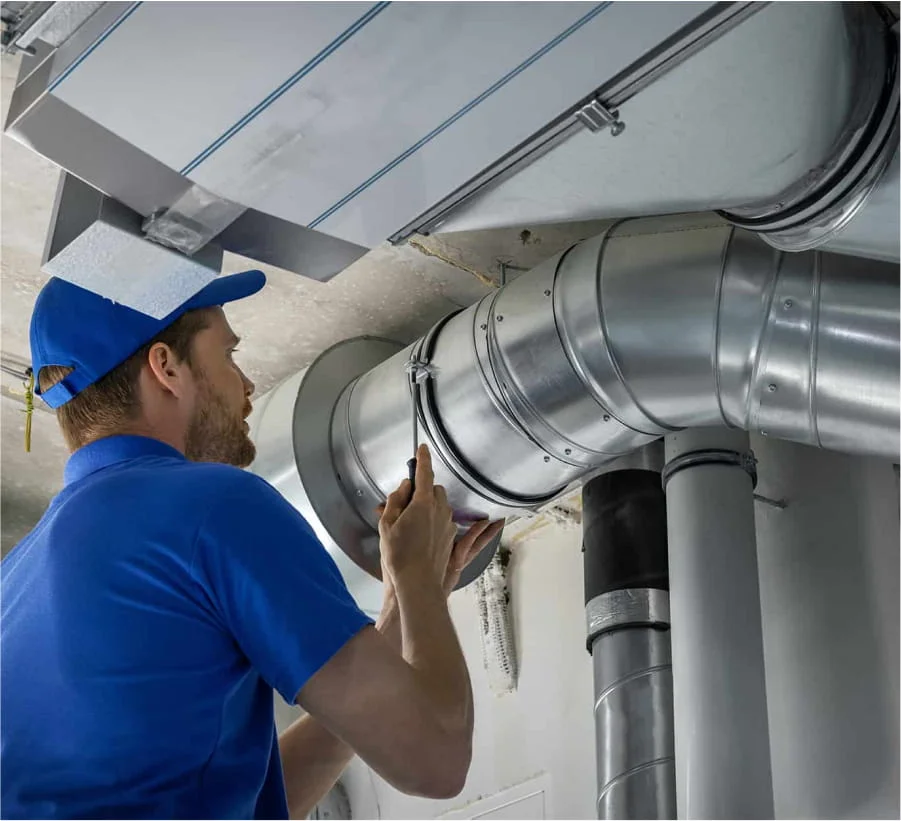
A well-designed and properly functioning duct system is essential for maintaining comfortable indoor temperatures and efficient HVAC performance. While many property owners focus on upgrading their air conditioning units, outdated or damaged ductwork can prevent even the best HVAC systems from working effectively.
Over time, ducts can develop leaks, insulation damage, poor airflow patterns, and structural problems that reduce system efficiency. When repairs are no longer enough, Duct system replacements become the ideal solution for restoring airflow, improving energy efficiency, and creating a more comfortable indoor environment.
This complete guide explains everything you need to know about duct system replacements, including signs that replacement is needed, benefits, costs, installation process, materials, and how to choose the right HVAC professionals.
What Are Duct System Replacements?
Duct system replacements involve removing old or damaged ductwork and installing a completely new duct system designed to improve airflow and HVAC performance.
The duct system is responsible for transporting heated or cooled air from the HVAC unit to different areas of a building. When ducts become outdated, damaged, or incorrectly designed, they can negatively affect comfort and energy efficiency.
Unlike minor repairs that fix specific problems, replacement provides a complete solution by removing inefficient ductwork and installing a modern system.
Professional Duct system replacements typically include:
- Inspection of existing ductwork
- Removal of old ducts
- New duct design planning
- Installation of replacement ducts
- Insulation installation
- Airflow testing
- System optimization
The goal is to create a reliable duct network that supports efficient heating and cooling.
Why Are Duct System Replacements Important?
Many HVAC problems are caused by inefficient duct systems rather than the air conditioning equipment itself. Replacing old ductwork can significantly improve overall system performance.
Improves Energy Efficiency
Old ducts often lose conditioned air through cracks, gaps, and damaged connections.
A new duct system helps:
- Reduce air leakage
- Improve airflow efficiency
- Lower energy consumption
- Reduce HVAC workload
Efficient ducts allow your heating and cooling system to operate more effectively.
Creates Better Indoor Comfort
A failing duct system can cause uneven temperatures throughout a property.
Common issues include:
- Rooms that do not cool properly
- Weak airflow from vents
- Temperature differences between rooms
New ductwork improves air distribution and creates more consistent comfort.
Enhances Indoor Air Quality
Old duct systems may collect:
- Dust
- Dirt
- Mold particles
- Allergens
- Construction debris
Damaged ducts can also allow contaminants from unwanted areas to enter the airflow.
Replacing outdated ducts helps create a cleaner and healthier indoor environment.
Reduces HVAC Stress
When ducts are inefficient, HVAC systems must work harder to maintain desired temperatures.
A properly designed replacement duct system reduces strain on:
- Air conditioners
- Heat pumps
- Furnaces
This can help extend equipment lifespan.
Provides Long-Term Savings
Although duct replacement requires an initial investment, improved efficiency can lead to long-term savings through reduced energy bills and fewer repairs.
Signs You Need Duct System Replacements
Knowing when replacement is necessary helps prevent costly HVAC problems.
Old or Aging Ductwork
Most duct systems have a limited lifespan. Older ducts may develop hidden issues that reduce performance.
Replacement may be necessary if your duct system is:
- Several decades old
- Frequently repaired
- Poorly insulated
- Outdated in design
Frequent Duct Repairs
If you repeatedly repair leaks, damaged sections, or insulation problems, replacement may become more cost-effective.
Constant repairs can indicate that the entire system is reaching the end of its useful life.
High Energy Bills
Unexpected increases in energy costs often indicate HVAC inefficiency.
Damaged ductwork can force your system to run longer, increasing energy usage.
Uneven Heating or Cooling
If some areas of your property remain uncomfortable despite a properly working HVAC unit, the duct system may be the problem.
Poor duct design or deterioration can prevent balanced airflow.
Poor Airflow
Weak airflow from vents may indicate:
- Blocked ducts
- Collapsed sections
- Incorrect sizing
- Severe leakage
A replacement system can correct these issues.
Excessive Dust and Allergies
If indoor dust levels remain high, damaged ducts may be distributing contaminants throughout the property.
New ductwork can help improve indoor air quality.
Visible Damage
Visible signs such as:
- Cracks
- Holes
- Rust
- Damaged insulation
may indicate that replacement is needed.
Types of Duct Systems Used for Replacement
Different properties require different duct materials depending on building design, budget, and performance requirements.
Flexible Duct Systems
Flexible ducts are made from plastic materials supported by wire coils and covered with insulation.
Advantages include:
- Easy installation
- Lower cost
- Flexibility around obstacles
They are commonly used in residential properties.
Sheet Metal Duct Systems
Sheet metal ducts are made from materials such as galvanized steel or aluminum.
Benefits include:
- Long lifespan
- Strong durability
- Resistance to mold growth
They are commonly used in commercial and high-performance HVAC systems.
Fiberglass Duct Systems
Fiberglass ducts include insulation layers that improve temperature control and reduce noise.
They can provide good energy efficiency when properly maintained.
Fiberboard Duct Systems
Fiberboard ducts contain compressed fiberglass materials.
Advantages include:
- Built-in insulation
- Noise reduction
However, they require careful installation to prevent moisture issues.
Benefits of Professional Duct System Replacements
Hiring experienced HVAC professionals ensures that your replacement system performs correctly.
Improved Air Distribution
Professionally designed ductwork ensures conditioned air reaches all areas of the property.
Better HVAC Efficiency
New ducts reduce energy loss and allow HVAC systems to operate closer to their intended capacity.
Increased Property Comfort
Balanced airflow improves room temperatures and overall comfort.
Reduced Maintenance Requirements
A new duct system requires fewer repairs compared with old, damaged ductwork.
Improved Air Quality
New ducts eliminate many problems associated with aging systems, including dust buildup and contamination.
The Duct System Replacement Process
Understanding the replacement process helps property owners prepare for the project.
Step 1: Professional Inspection
The process begins with a detailed inspection of the existing duct system.
Technicians evaluate:
- Duct condition
- Airflow performance
- Insulation quality
- System design
This determines the best replacement approach.
Step 2: Duct Design Planning
A new duct layout is designed based on:
- Building size
- Room arrangement
- HVAC capacity
- Airflow requirements
Proper design is essential for maximum efficiency.
Step 3: Removing Existing Ductwork
Old ducts are carefully removed to prepare the area for installation.
Professionals ensure that surrounding structures are protected during removal.
Step 4: Installing New Ducts
Replacement ducts are installed according to the approved design.
Technicians ensure:
- Proper sizing
- Secure connections
- Correct placement
- Adequate insulation
Step 5: Sealing and Insulation
All connections are sealed to prevent air leakage.
Proper insulation helps maintain air temperature and improves efficiency.
Step 6: Testing the New System
After installation, technicians test:
- Airflow
- Temperature balance
- System performance
This ensures the replacement system operates correctly.
Factors Affecting Duct System Replacement Costs
The cost of Duct system replacements depends on several factors.
Property Size
Larger buildings require more duct materials and additional labor.
Duct Material Selection
Different materials have different costs.
For example:
- Flexible ducts are usually more affordable
- Metal ducts may cost more but offer increased durability
Accessibility
Ducts located behind walls, ceilings, or difficult areas require additional labor.
System Complexity
Complex layouts with multiple zones require more planning and installation work.
Insulation Requirements
Additional insulation improves efficiency but can increase project costs.
How Much Do Duct System Replacements Cost?
The cost of replacing a duct system varies depending on property size, materials, labor requirements, and HVAC design.
Residential replacement projects generally cost less than large commercial installations because of differences in system complexity and size.
Although replacement requires upfront investment, benefits include:
- Lower energy expenses
- Improved comfort
- Reduced maintenance costs
- Better HVAC performance
A professional inspection provides the most accurate pricing estimate.
Duct Repairs vs Duct System Replacements
Many property owners are unsure whether to repair or replace their ductwork.
Repairs May Be Suitable When:
- Damage is minor
- Ducts are relatively new
- Problems are limited to small areas
Replacement May Be Better When:
- Ducts are old
- Repairs are frequent
- Damage is widespread
- The system design is inefficient
- Energy costs continue increasing
A professional HVAC assessment can help determine the best option.
How to Choose a Duct Replacement Company
Selecting the right contractor is essential for successful duct replacement.
Check Experience
Choose companies with experience in HVAC duct design and installation.
Review Previous Work
Customer reviews and project examples can help evaluate service quality.
Ask About Materials
A reliable contractor should explain:
- Available duct materials
- Installation methods
- Efficiency benefits
Request Detailed Quotes
A professional estimate should include:
- Material costs
- Labor charges
- Timeline
- Warranty details
Verify Licensing and Insurance
Qualified HVAC professionals should have proper credentials and insurance coverage.
Common Mistakes During Duct System Replacement
Avoiding mistakes helps ensure better long-term performance.
Choosing Incorrect Duct Sizes
Incorrect duct sizing can cause airflow problems and reduce efficiency.
Ignoring Proper Insulation
Poor insulation can result in energy loss and temperature issues.
Hiring Unqualified Installers
Improper installation can create leaks and performance problems.
Selecting Based Only on Price
The cheapest option may not provide the best long-term value.
Maintenance Tips After Duct System Replacement
A new duct system still requires proper maintenance.
Replace Air Filters Regularly
Clean filters improve airflow and protect HVAC components.
Schedule HVAC Inspections
Routine inspections help identify potential issues early.
Keep Vents Unblocked
Furniture and objects blocking vents can reduce airflow.
Monitor System Performance
Changes in comfort or energy usage may indicate problems.
Why Duct System Replacements Are a Smart Investment
A properly designed duct system is essential for efficient heating and cooling performance.
Investing in Duct system replacements can provide:
- Improved airflow
- Lower energy costs
- Better indoor comfort
- Cleaner air quality
- Reduced HVAC stress
For homes and businesses with aging or inefficient ductwork, replacement offers a long-term solution that improves both comfort and system reliability.
Frequently Asked Questions About Duct System Replacements
What are duct system replacements?
Duct system replacements involve removing old ductwork and installing new ducts to improve HVAC efficiency and airflow.
How do I know if my duct system needs replacement?
Signs include frequent repairs, high energy bills, poor airflow, uneven temperatures, and visible duct damage.
How long does duct replacement take?
The timeline depends on property size, accessibility, and system complexity. Most projects range from several days to longer installations for larger buildings.
Is replacing ducts better than repairing them?
Replacement is usually better when ducts are old, severely damaged, or require frequent repairs.
Can new ducts reduce energy bills?
Yes. Properly installed duct systems reduce air leakage and improve HVAC efficiency.
What type of duct material is best?
The best material depends on your property, budget, and performance requirements.
Does duct replacement improve air quality?
Yes. New ducts can reduce contamination caused by old, damaged, or poorly sealed ductwork.
How often should duct systems be replaced?
Duct lifespan depends on material, installation quality, and maintenance, but older systems may eventually require replacement.
Conclusion
Duct system replacements are an effective way to improve HVAC performance, indoor comfort, and energy efficiency. Aging or damaged ductwork can reduce cooling effectiveness, increase operating costs, and affect indoor air quality.
By investing in professional Duct system replacements, property owners can create a more efficient and reliable HVAC system that provides consistent comfort for years.
Whether your ductwork is outdated, damaged, or no longer meeting your property’s needs, replacing the system with properly designed and professionally installed ductwork can deliver significant long-term benefits.