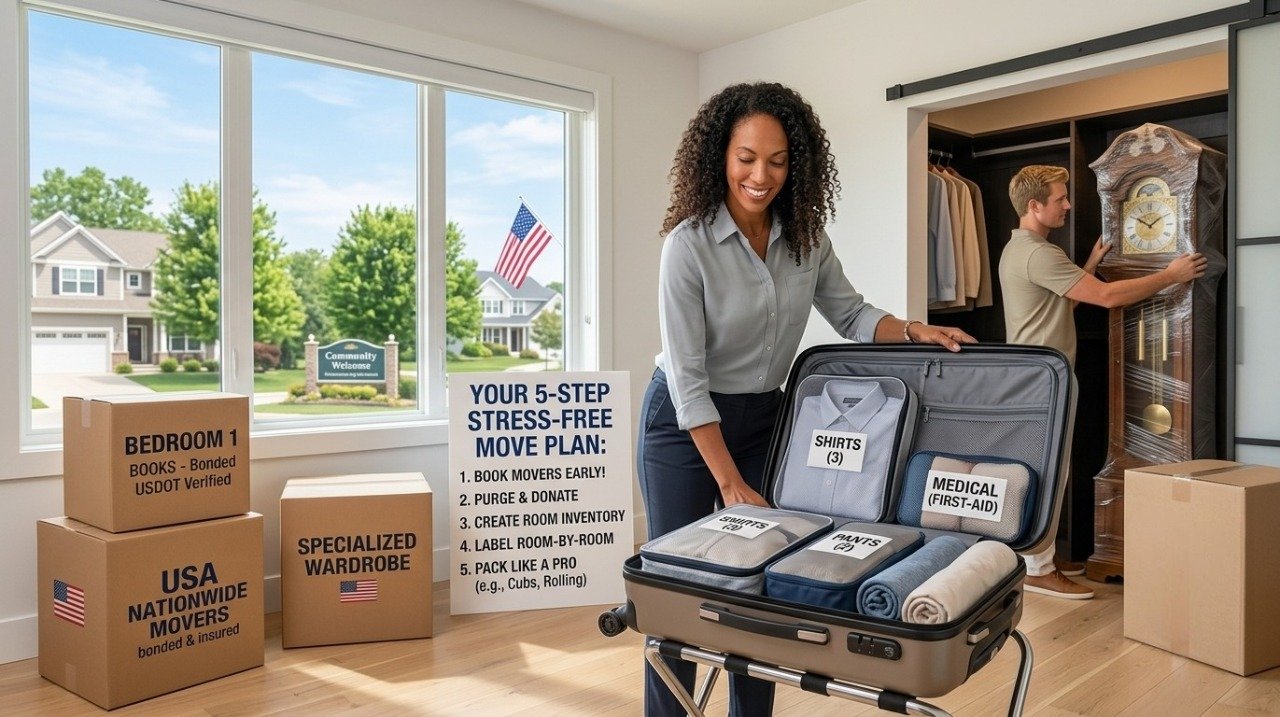
Packing a suitcase may seem like a simple task, but doing it efficiently can make the difference between a relaxing vacation and a stressful travel experience.
Whether you’re heading out for a weekend getaway, an international holiday, or an important business trip, learning how to pack a suitcase properly helps you stay organized, save space, and protect your belongings.
At My Good Movers, we understand that every successful journey starts with careful planning. Experienced movers and travel experts know that organization is the key to reducing stress. The same principles used for professional moving can also help travelers pack smarter and avoid common mistakes.
Many travelers either overpack or forget essential items because they start packing at the last minute. As a result, they struggle with overweight luggage, wrinkled clothes, and difficulty finding important belongings during their trip. Fortunately, these problems can easily be avoided with a few practical strategies.
This comprehensive guide explains every step of the packing process, from selecting the right suitcase to maximizing every inch of available space. Along the way, you’ll also discover useful travel hacks that experienced travelers rely on every time they hit the road.
Why Learning How to Pack a Suitcase Matters
Knowing how to pack a suitcase isn’t just about fitting everything inside your luggage. It also improves your overall travel experience by helping you stay organized, protect valuable items, and reduce unnecessary stress.
Here are some of the biggest advantages of smart packing:
- Saves valuable luggage space
- Prevents wrinkles in clothing
- Makes airport security checks easier
- Reduces the risk of damaged belongings
- Helps you find items quickly
- Avoids overweight baggage fees
- Keeps your trip organized from beginning to end
Instead of stuffing everything into your suitcase randomly, experienced travelers pack with a plan. Every item has its place, making unpacking at your destination much easier.
Another important benefit is peace of mind. When your suitcase is organized, you spend less time searching for chargers, passports, toiletries, or medications. That means more time enjoying your trip.
Essential Packing Supplies Before You Begin
Before placing your first item into your suitcase, gather the right packing tools. These simple accessories make packing easier while protecting your belongings throughout your journey.
| Packing Supply | Purpose |
|---|---|
| Packing cubes | Organize clothing by category |
| Compression bags | Save luggage space |
| Toiletry bag | Prevent liquid spills |
| Shoe bags | Protect clothes from dirt |
| Laundry bag | Separate dirty clothing |
| Travel-size containers | Meet airline liquid limits |
| Luggage tags | Help identify your suitcase |
| Portable luggage scale | Avoid overweight baggage fees |
Having these supplies ready before packing allows you to organize your belongings more efficiently.
For example, packing cubes separate shirts, pants, underwear, and accessories into individual compartments. This not only saves space but also makes unpacking much faster once you arrive.
Similarly, compression bags work well for bulky clothing such as jackets and sweaters. By removing excess air, they significantly reduce the amount of space these items occupy.
Step 1: Choose the Right Suitcase
One of the most overlooked parts of learning how to pack a suitcase is selecting the correct luggage in the first place.
Not every trip requires the same type of suitcase. The ideal luggage depends on several factors, including:
- Trip duration
- Destination
- Climate
- Airline baggage restrictions
- Type of transportation
Carry-On Suitcases
Carry-on luggage is perfect for:
- Weekend trips
- Business travel
- Short vacations
- Travelers who prefer to avoid checked baggage
Benefits include:
- Faster airport exit
- No baggage claim delays
- Lower airline fees
- Reduced risk of lost luggage
Medium Checked Suitcases
Medium-sized luggage works well for trips lasting between five and ten days.
These suitcases provide enough room for clothing, shoes, toiletries, and souvenirs while remaining manageable to transport.
Large Suitcases
Large suitcases are ideal for:
- Family vacations
- Long-term travel
- International relocation
- Winter holidays requiring bulky clothing
However, bigger isn’t always better. Empty space often encourages overpacking, which increases luggage weight and travel costs.
Hard-Shell vs. Soft-Sided Luggage
Both suitcase styles have unique advantages.
Hard-shell suitcases
Pros:
- Better protection for fragile items
- Water-resistant exterior
- Modern appearance
- Durable construction
Cons:
- Less flexible
- Heavier
- Limited external pockets
Soft-sided luggage
Pros:
- Lightweight
- Expandable
- Easier to fit into tight spaces
- Additional storage pockets
Cons:
- Less protection against impact
- More vulnerable to moisture
Choosing the right suitcase before packing creates a strong foundation for an organized journey.
Step 2: Create a Packing Checklist Before You Start
One of the easiest ways to master how to pack a suitcase is to create a detailed packing checklist. Instead of guessing what you’ll need, write everything down several days before your departure. This simple habit reduces stress and helps ensure nothing important gets left behind.
A checklist also prevents overpacking. Many travelers toss extra clothes and accessories into their luggage “just in case.” In reality, many of those items never get used.
Benefits of a Packing Checklist
Creating a checklist helps you:
- Stay organized
- Pack only what you need
- Avoid forgetting essential items
- Reduce luggage weight
- Save time while packing
- Make unpacking easier
Professional organizers and travel experts recommend starting your checklist at least three days before your trip. This gives you time to purchase anything you’re missing without feeling rushed.
Sample Packing Checklist
| Category | Essential Items |
|---|---|
| Documents | Passport, ID, boarding pass, travel insurance, hotel confirmations |
| Clothing | Shirts, pants, underwear, socks, sleepwear, jacket |
| Shoes | Casual shoes, sandals, dress shoes if needed |
| Toiletries | Toothbrush, toothpaste, shampoo, deodorant, razor |
| Electronics | Phone, charger, laptop, power bank, headphones |
| Health | Prescription medication, first-aid kit, vitamins |
| Accessories | Sunglasses, hat, belt, jewelry, reusable water bottle |
If you’re traveling internationally, double-check visa requirements and passport validity before packing.
Step 3: Sort and Organize Your Belongings
Before placing anything into your suitcase, lay out every item you plan to bring. Seeing everything at once makes it easier to identify duplicates and remove unnecessary items.
Experienced travelers often use the “category method.” Rather than packing randomly, group similar items together.
For example:
- Shirts together
- Pants together
- Undergarments together
- Toiletries together
- Electronics together
- Documents together
This approach keeps your luggage neat throughout the trip.
Prioritize Essentials
Separate your belongings into three groups:
Must-Have Items
These include:
- Passport
- Wallet
- Medication
- Phone charger
- Travel documents
Important Items
Examples include:
- Extra clothing
- Toiletries
- Shoes
- Electronics
Optional Items
Examples include:
- Extra outfits
- Books
- Travel pillow
- Entertainment devices
- Additional accessories
If your suitcase becomes too full, remove optional items first.
Step 4: Roll or Fold? Which Packing Method Works Best?
A common question travelers ask is whether rolling clothes is better than folding them.
The answer depends on the type of clothing you’re packing.
Rolling Clothes
Rolling works well for:
- T-shirts
- Jeans
- Casual pants
- Shorts
- Athletic wear
- Cotton clothing
Benefits include:
- Saves space
- Reduces wrinkles
- Makes clothing easier to find
- Creates room for smaller items
Rolled clothing also fits perfectly inside packing cubes.
Folding Clothes
Folding is best for:
- Dress shirts
- Blazers
- Formal dresses
- Delicate fabrics
- Business attire
These garments maintain their shape better when folded carefully.
Bundle Packing
Some frequent travelers use bundle packing, where multiple garments are wrapped around one another to minimize creases.
Although this method takes longer, it works well for long business trips.
Best Practice
Instead of choosing only one method, combine both.
- Roll casual clothing.
- Fold formal clothing.
- Use packing cubes to keep everything organized.
This balanced strategy helps maximize suitcase space while keeping your clothes in excellent condition.
Step 5: Pack Shoes and Heavy Items First
One of the smartest techniques for learning how to pack a suitcase is understanding where heavy items belong.
Always begin by placing the heaviest belongings at the bottom of your suitcase, closest to the wheels. This improves balance and makes rolling the suitcase much easier.
Items to Pack First
Start with:
- Shoes
- Boots
- Toiletry bag
- Hair dryer
- Heavy jackets
- Books
These create a stable foundation for the rest of your luggage.
Protect Your Clothes
Shoes can easily transfer dirt to clean clothing.
To avoid this:
- Place shoes inside shoe bags.
- Use shower caps if shoe bags aren’t available.
- Stuff socks inside shoes to save space.
- Position soles against the suitcase walls.
Stuffing shoes with socks, chargers, or belts is another excellent way to maximize storage.
Distribute Weight Evenly
Avoid placing all heavy items on one side.
Balanced luggage:
- Rolls more smoothly
- Is easier to lift
- Prevents clothing from shifting
- Reduces stress on suitcase wheels
If you’re carrying fragile items, surround them with soft clothing for extra protection.
Smart Space-Saving Packing Hacks
Packing efficiently isn’t about bringing less—it’s about using the available space wisely. Frequent travelers rely on a variety of clever techniques to fit more into their luggage without making it bulky or disorganized.
Use Packing Cubes
Packing cubes are one of the most effective travel accessories available.
Benefits include:
- Organize clothing by category
- Compress soft items
- Simplify unpacking
- Keep clean and dirty clothes separate
Many travelers dedicate one cube to shirts, another to pants, and a smaller one to undergarments and socks.
Fill Empty Spaces
Don’t waste small gaps inside your suitcase.
You can store items inside:
- Shoes
- Hats
- Small bags
- Corners of the suitcase
Perfect items for these spaces include:
- Socks
- Charging cables
- Underwear
- Jewelry pouches
- Travel adapters
Wear Bulky Clothing While Traveling
If you’re flying with a heavy coat, boots, or thick sweater, consider wearing them instead of packing them. This saves valuable suitcase space and may help you stay within airline baggage limits.
Limit “Just in Case” Items
A common packing mistake is bringing too many backup items. While it’s wise to prepare for unexpected situations, packing excessive clothing or gadgets often leads to heavier luggage without adding much value.
Ask yourself:
- Will I realistically use this?
- Can I buy it if I need it?
- Does it serve more than one purpose?
If the answer is “no,” leave it at home.
Packing for Different Types of Trips
Not every journey requires the same packing strategy. A weekend getaway demands a different approach than a two-week vacation or an international business trip.
Understanding the purpose of your travel helps you decide what to bring and, just as importantly, what to leave behind. When you know how to pack a suitcase according to your destination and travel style, you’ll enjoy a smoother, more organized experience.
Below are practical packing recommendations for several common types of trips.
Business Travel
Business travelers often need to balance professionalism with convenience. Clothes should arrive looking neat, while essential work items should be easy to access.
Business Trip Essentials
Pack the following items:
- Business suits or professional outfits
- Dress shirts or blouses
- Comfortable dress shoes
- Laptop and charger
- Notebook and pens
- Business cards
- Portable power bank
- Travel-size grooming products
To reduce wrinkles, place tissue paper between folded dress shirts or use a garment folder. Keep electronics in an easily accessible compartment for airport security checks.
If your trip lasts only a few days, a carry-on suitcase is usually sufficient and saves valuable time at the airport.
Family Vacations
Packing for a family requires careful planning because you’re responsible for multiple people’s belongings. Organization is essential.
Family Packing Tips
- Pack each family member’s clothing in separate packing cubes.
- Bring extra clothes for young children.
- Carry snacks for long journeys.
- Pack entertainment for kids.
- Keep medications within easy reach.
- Carry travel documents together in one folder.
Parents should also prepare a small carry-on bag with essentials such as diapers, wipes, water bottles, and a change of clothes. This makes it easier to handle unexpected delays without opening the main suitcase.
Beach Holidays
Beach vacations require lightweight clothing and sun protection.
Beach Vacation Checklist
- Swimsuits
- Flip-flops
- Sunglasses
- Beach towels
- Sunscreen
- Lightweight clothing
- Waterproof phone pouch
- Hat
- Reusable water bottle
Rather than packing multiple pairs of shoes, limit yourself to sandals and one pair of comfortable walking shoes.
Winter Trips
Cold-weather destinations require bulkier clothing, but smart packing can still save space.
Bring:
- Thermal layers
- Winter jacket
- Gloves
- Scarf
- Wool socks
- Waterproof boots
- Moisturizer
- Lip balm
Instead of packing several thick sweaters, choose lightweight layers that can be worn together. This provides warmth while taking up less suitcase space.
Compression bags are particularly useful for winter clothing because they reduce the volume of bulky jackets and sweaters.
International Travel
International trips usually require more preparation than domestic travel.
Double-check that you have:
- Passport
- Visa (if required)
- Travel insurance
- Currency or payment cards
- International power adapter
- Copies of important documents
- Emergency contact information
Keep these items in your carry-on rather than your checked luggage.
Planning ahead reduces the likelihood of unexpected problems once you arrive at your destination.
Common Packing Mistakes to Avoid
Even experienced travelers occasionally make packing mistakes. Fortunately, most of these errors are easy to avoid with a little preparation.
Here are some of the most common mistakes and how to prevent them.
Overpacking
Overpacking is perhaps the biggest mistake travelers make.
People often pack clothing for every possible situation instead of planning realistic outfits.
Instead of packing ten shirts for a five-day trip, consider clothing that can be mixed and matched.
A good rule is to pack versatile items that work for multiple occasions.
Ignoring Airline Weight Limits
Every airline has baggage restrictions.
Before packing, check:
- Maximum suitcase weight
- Carry-on size limits
- Personal item dimensions
- Restricted items
Using a portable luggage scale before leaving home can help you avoid unexpected baggage fees.
Packing Liquids Incorrectly
Leaking toiletries can ruin clothing.
To prevent spills:
- Tighten bottle caps securely.
- Place liquids inside resealable plastic bags.
- Use travel-sized containers.
- Keep liquids upright whenever possible.
These simple precautions protect everything else inside your suitcase.
Forgetting Important Documents
Travel documents should never be packed at the bottom of your suitcase.
Keep these items together:
- Passport
- Identification
- Boarding passes
- Hotel reservations
- Insurance documents
- Emergency contacts
Many travelers also keep digital copies stored securely on their phones or in cloud storage for added peace of mind.
Packing at the Last Minute
Last-minute packing often leads to forgotten essentials and unnecessary stress.
Instead:
- Create your checklist early.
- Pack gradually over several days.
- Review your suitcase the night before departure.
This allows enough time to replace missing items or make adjustments if needed.
Final Packing Checklist Before You Leave
Before closing your suitcase, perform one final review.
Clothing
- Shirts
- Pants
- Underwear
- Socks
- Sleepwear
- Jacket
- Shoes
Toiletries
- Toothbrush
- Toothpaste
- Shampoo
- Soap
- Deodorant
- Razor
- Hairbrush
Electronics
- Phone
- Chargers
- Laptop
- Tablet
- Power bank
- Headphones
- Travel adapter
Documents
- Passport
- Identification
- Boarding passes
- Hotel reservations
- Insurance papers
- Credit cards
- Cash
Health Essentials
- Prescription medications
- Pain relievers
- Bandages
- Hand sanitizer
- Face masks (if needed)
A final walkthrough of your home can also help you remember chargers, keys, or other everyday items that are easy to overlook.
Frequently Asked Questions (FAQs)
1. What is the best way to pack a suitcase to save space?
Rolling casual clothing, using packing cubes, filling empty spaces inside shoes, and packing only versatile items are some of the most effective ways to maximize luggage space.
2. Should I roll or fold my clothes?
Both methods work well. Roll casual clothes like T-shirts and jeans to save space, while folding is better for formal wear and delicate fabrics that wrinkle easily.
3. How early should I pack before a trip?
Begin preparing a checklist several days in advance and aim to finish packing at least one day before departure. This helps reduce stress and gives you time to buy any forgotten essentials.
4. How can I keep my clothes from wrinkling?
Use packing cubes, fold dress clothes carefully, place tissue paper between delicate garments, and avoid overfilling your suitcase.
5. What items should always go in a carry-on bag?
Keep valuables, travel documents, medications, electronics, chargers, and one change of clothes in your carry-on so you have easy access if your checked luggage is delayed.
6. How can I avoid overweight baggage fees?
Check your airline’s baggage policy before traveling, weigh your suitcase at home using a luggage scale, and remove unnecessary items if you’re close to the weight limit.
Conclusion
Learning how to pack a suitcase is a valuable skill that can make every trip more comfortable, organized, and enjoyable. By choosing the right luggage, creating a thoughtful packing checklist, organizing your belongings, and using proven space-saving techniques, you’ll travel with greater confidence and less stress.