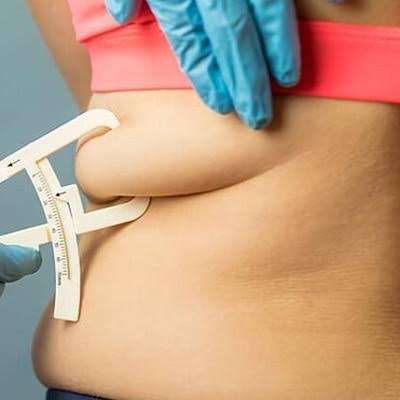
The best liposuction in Islamabad should begin with a proper medical assessment rather than immediate surgery. Liposuction is a body contouring procedure that removes unwanted fat from selected areas. It is not a treatment for obesity and should not be used as a replacement for healthy eating or regular exercise.
During the procedure, a surgeon makes small cuts in the skin and inserts a thin tube called a cannula. The cannula loosens fat beneath the skin, and controlled suction removes it from the body. The surgeon must remove fat evenly to create a smooth and natural body shape.
The exact process differs from one patient to another. The treatment area, amount of fat, skin quality, general health, and expected result all affect the surgical plan.
At Dr AK, treatment should be planned according to the patient’s individual body shape and medical condition. This guide explains each step of liposuction, from consultation to recovery.
Quick Answer
The best liposuction in Islamabad is generally performed through small skin openings. A thin cannula is inserted beneath the skin to loosen and remove unwanted fat using controlled suction.
Before fat removal, a special fluid may be placed into the treatment area to reduce bleeding and make fat easier to remove. The surgeon then shapes the area carefully, closes or dresses the small openings, and applies a compression garment.
The patient must attend follow-up appointments and allow swelling to decrease before judging the final result.
What Is Liposuction?
Liposuction is a surgical procedure used to remove localised fat from specific body areas.
Common treatment areas include the abdomen, waist, hips, thighs, arms, back, chest, chin, and neck.
The procedure is mainly used for contouring. It can improve the shape and proportion of the body, but it does not usually produce major weight loss.
A person may have a healthy weight and still have stubborn fat around the abdomen, waist, thighs, or chin. Liposuction may be considered when these areas do not improve enough through healthy habits.
Who May Be Suitable for Liposuction?
A suitable patient usually has localised fat, stable body weight, good general health, and realistic expectations.
Skin quality also matters. Firm and elastic skin can adjust more easily after fat is removed.
Patients with a large amount of loose skin may not achieve a tight result from liposuction alone. They may need a different or additional procedure.
People with uncontrolled medical conditions, active infections, poor healing ability, or unrealistic expectations may not be suitable candidates.
A surgeon must make this decision after examining the patient.
Step 1: Initial Consultation
The first step is a detailed consultation.
The surgeon asks which areas concern the patient and what result they expect.
The patient’s medical history is also reviewed. This may include previous surgery, medicines, allergies, smoking, health conditions, and past problems with anaesthesia.
The surgeon examines the treatment area while the patient is standing. Standing allows the natural body shape and fat distribution to be seen more clearly.
The thickness of fat, quality of skin, body balance, and muscle structure are checked before a treatment plan is created.
Step 2: Setting Realistic Goals
A responsible surgeon explains what liposuction can and cannot achieve.
Liposuction can reduce stubborn fat and improve body contour.
It cannot guarantee a perfect body, remove all fat, repair separated muscles, or tighten severely loose skin.
It is also not designed to remove deep fat around the internal organs.
Patients should understand that small differences between the two sides of the body are normal.
The goal is visible improvement and better proportion, not exact symmetry.
Step 3: Selecting the Treatment Area
The surgeon decides which areas can be treated safely.
Some patients need treatment in one small area, such as the chin or lower abdomen.
Others may need connected areas treated together. For example, the abdomen, waist, and love handles may be treated as one contouring plan.
Treating connected areas may create a smoother transition.
However, treating too many areas during one operation can increase operating time, fluid changes, swelling, and recovery demands.
The safest plan should be selected rather than trying to remove the greatest possible amount of fat.
Step 4: Medical Tests and Preparation
Some patients need medical tests before surgery.
The required tests depend on age, health, medical history, and the size of the procedure.
The surgeon may provide instructions about food, medicines, supplements, smoking, and arrival time.
Patients should not stop prescribed medicine without medical advice.
Some medicines and supplements can increase bleeding risk, so the surgeon must know everything the patient uses.
Smoking and nicotine may interfere with healing. Patients should follow instructions about avoiding these products before and after surgery.
Step 5: Marking the Body
Before surgery, the surgeon marks the treatment areas while the patient is standing.
These markings guide fat removal during the operation.
The surgeon may outline areas of fullness, natural body borders, and areas that should be preserved.
Careful marking is important because body shape changes when a patient lies down.
The surgeon uses these lines as a map during treatment.
Good liposuction depends on planned shaping rather than random fat removal.
Step 6: Choosing Anaesthesia
The type of anaesthesia depends on the size and number of treatment areas.
A small procedure may be performed using local anaesthesia with or without sedation.
A larger procedure may require general anaesthesia.
The safest method depends on the patient’s medical condition and the treatment plan.
The anaesthesia provider monitors breathing, heart rate, blood pressure, and other important signs during the operation.
Patients should ask who will provide anaesthesia and what type is planned.
Step 7: Preparing the Skin
The treatment area is cleaned before surgery.
This helps reduce the risk of infection.
Sterile covers are placed around the area, and the surgical team prepares the required equipment.
Patient positioning depends on the area being treated.
For example, the patient may lie on the back for abdominal treatment or be turned carefully when the back and waist are treated.
Proper positioning gives the surgeon safe access to the treatment area.
Step 8: Injecting Tumescent Fluid
A special fluid is commonly placed into the treatment area before fat removal.
This is often called tumescent fluid.
The solution may contain sterile fluid, medicine to reduce bleeding, and local anaesthetic to improve comfort.
The fluid causes the treatment area to become firm and swollen temporarily.
This helps separate fat, reduces blood loss, and makes controlled removal easier.
The amount used depends on the treatment area and surgical plan.
Step 9: Making Small Incisions
The surgeon makes small cuts in carefully selected locations.
These openings allow the cannula to pass beneath the skin.
The cuts are usually placed near natural folds or less visible areas when possible.
Liposuction scars are often small, but they do not disappear completely.
Scar appearance depends on skin type, healing ability, incision placement, and aftercare.
The surgeon should explain likely scar locations before surgery.
Step 10: Inserting the Cannula
A cannula is a thin hollow surgical tube.
The surgeon inserts it through the small openings and moves it beneath the skin.
The tube passes through the fatty layer while the surgeon avoids important muscles, nerves, and blood vessels.
Controlled movements loosen fat cells.
The surgeon works from different directions to reduce the chance of creating dents or uneven areas.
This part of the procedure requires careful judgment and understanding of body anatomy.
Step 11: Removing the Fat
The loosened fat is removed through suction.
The cannula is connected to a suction system that carries fat out of the body.
The surgeon removes small amounts gradually while checking body shape and tissue thickness.
The purpose is not to remove every possible fat cell.
A natural layer of fat must remain beneath the skin. Removing too much can cause dents, waves, loose skin, or an unnatural appearance.
Balanced removal is more important than maximum removal.
Step 12: Shaping the Body
Liposuction is not only about reducing volume.
The surgeon must also shape the treated area.
For example, abdominal treatment may include blending the upper and lower abdomen with the waist.
Thigh treatment may require smooth transitions between the hips, outer thighs, and knees.
Arm treatment must preserve a natural shape from the shoulder to the elbow.
The surgeon repeatedly checks the thickness of the remaining tissue.
This helps reduce unevenness and supports a smoother final contour.
Step 13: Checking Both Sides
When both sides of the body are treated, the surgeon compares them carefully.
The same amount of fat is not always removed from each side because natural body asymmetry may already exist.
One side may need more treatment than the other.
The surgeon aims for improved balance rather than removing equal amounts without considering body shape.
Perfect symmetry cannot be guaranteed.
Step 14: Managing the Incisions
After fat removal, the small openings are examined.
Some may be closed with stitches.
Others may be left partly open for a short time to allow fluid to drain.
The choice depends on the technique and treatment area.
Dressings are placed over the openings.
In selected cases, temporary drainage tubes may be used, although they are not necessary for every liposuction patient.
Step 15: Applying a Compression Garment
A compression garment is commonly placed over the treated area.
It applies gentle pressure and supports the tissues during early healing.
The garment may help control swelling and provide comfort.
It must fit properly. A garment that is too tight can cause pressure problems, while one that is too loose may not provide enough support.
Patients should wear it for the period recommended by the surgeon.
Removing it too early may affect recovery.
What Happens Immediately After Surgery?
The patient is moved to a recovery area for monitoring.
Medical staff check breathing, heart rate, blood pressure, comfort, and the treatment areas.
Some fluid may leak from the small openings during the early recovery period. This can be normal when tumescent fluid has been used.
The patient may feel sore, swollen, tired, or numb.
Most patients need someone to drive them home because anaesthesia and medicines can affect alertness.
Is Liposuction Painful?
Patients should not feel the surgical work during proper anaesthesia.
After surgery, soreness, tightness, bruising, and tenderness are common.
Many patients describe the discomfort as similar to strong muscle soreness.
The level of pain depends on the number of areas treated and the extent of fat removal.
The surgeon may prescribe suitable pain relief medicine.
Severe or increasing pain should be reported rather than ignored.
The First Few Days of Recovery
Rest is important during the first few days.
However, patients are often encouraged to take short, gentle walks when medically safe.
Walking supports circulation and reduces problems linked to staying still for too long.
Heavy activity, bending, lifting, and exercise should be avoided.
The compression garment and dressings should be managed according to instructions.
Patients should not remove or change medical dressings without guidance.
Swelling and Bruising
Swelling is expected after liposuction.
The body reacts to surgery by holding extra fluid in the treated tissues.
Bruising may also appear and can move downward because of gravity.
The area may look uneven during early healing.
This does not automatically mean that the final result will be uneven.
Swelling can take weeks or months to settle fully, so the final result should not be judged too early.
Returning to Work
Return to work depends on the treatment area and type of job.
A person with a desk job may return earlier than someone who performs heavy physical work.
Small procedures may require less recovery time than treatment across several areas.
Patients should not rush back to work if they are still taking medicines that cause drowsiness or if movement remains uncomfortable.
The surgeon should provide an individual recovery plan.
Returning to Exercise
Light walking may begin early when approved.
Strenuous exercise, running, weightlifting, and intense body movement usually need to wait.
Starting too early may increase swelling, discomfort, or bleeding.
Exercise should return in stages.
The surgeon should confirm when the treated tissues are ready for more demanding activity.
Following this advice helps protect healing and results.
When Will the Result Appear?
Early improvement may become visible as swelling begins to decrease.
However, the final body contour does not appear immediately.
The treated area may feel firm, lumpy, or numb during early recovery.
These changes often improve gradually.
The result usually becomes clearer over the following weeks and months.
Skin continues adjusting, and internal tissues need time to soften.
Patients should remain patient and attend follow-up appointments.
Are the Results Permanent?
Fat cells removed during liposuction do not grow back.
However, the remaining fat cells can still become larger if the patient gains weight.
This means results can last for many years when body weight remains stable.
Large weight gain may change the contour of both treated and untreated areas.
Healthy eating, physical activity, and weight control remain important after recovery.
Liposuction improves shape but does not prevent future weight gain.
Possible Risks
Liposuction is surgery and carries risks.
Possible complications include bleeding, infection, fluid collection, uneven contours, numbness, scarring, skin looseness, and reactions to anaesthesia.
Larger procedures may involve greater risks related to blood loss and fluid balance.
Rare but serious complications can also occur.
Proper patient selection, surgical planning, monitoring, and aftercare are important for reducing avoidable problems.
What Makes Liposuction High Quality?
The best liposuction in Islamabad is not simply the procedure that removes the most fat.
High-quality treatment begins with selecting a suitable patient.
It also requires careful marking, appropriate anaesthesia, even fat removal, body contour planning, safe limits, and proper recovery care.
The surgeon should understand when liposuction alone is enough and when loose skin or another concern requires a different treatment.
Honest communication is also essential.
Patients should receive realistic information rather than guaranteed promises.
Questions to Ask Before Treatment
Patients should ask which areas will be treated and why.
They should ask how much improvement is realistic and whether loose skin may remain.
It is also important to discuss anaesthesia, scar locations, recovery time, compression garment use, costs, risks, and follow-up care.
Patients should understand what is included in the treatment package.
A clear consultation helps prevent confusion after surgery.
Choosing Dr AK
When considering the best liposuction in Islamabad, patients should focus on safety, personal assessment, and realistic treatment planning.
At Dr AK, every patient should receive a detailed examination before surgery is recommended.
The treatment plan should consider body shape, skin quality, fat distribution, general health, and personal goals.
The aim should be balanced contouring rather than removing the largest possible amount of fat.
Patients should also receive clear instructions for preparation, recovery, and long-term result maintenance.
Final Thoughts
The best liposuction in Islamabad is performed through a planned series of steps.
The process begins with consultation, medical assessment, body marking, and anaesthesia. A special fluid may then be placed into the treatment area before small incisions are made.