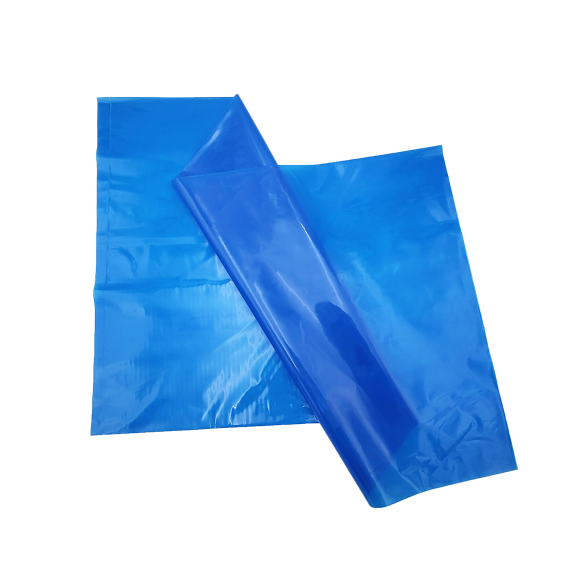
Packaging plays an important role in protecting products, improving storage, and ensuring safe transportation. Businesses across industries require packaging solutions that are lightweight, durable, cost-effective, and suitable for different applications.
One of the most widely used packaging options today is LDPE bags. Made from low-density polyethylene, these bags are known for their flexibility, strength, and resistance to moisture. They are commonly used in retail, manufacturing, food packaging, healthcare, agriculture, and industrial applications.
LDPE bags provide an effective solution for businesses that need reliable packaging while maintaining convenience and product protection. Their lightweight design, excellent durability, and customizable options make them a preferred choice for many industries.
This comprehensive guide explains what LDPE bags are, their benefits, types, common uses, manufacturing process, and how to choose the right LDPE packaging solution for your business.
What Are LDPE Bags?
LDPE bags are plastic bags made from Low-Density Polyethylene (LDPE), a flexible thermoplastic material known for its softness, durability, and impact resistance.
Unlike rigid plastic materials, LDPE has a lower density structure that allows it to stretch without easily breaking. This makes LDPE bags ideal for packaging products that require flexibility and protection.
LDPE bags are commonly used for:
- Product packaging
- Storage solutions
- Shipping protection
- Food packaging
- Industrial applications
- Retail packaging
They are available in various sizes, thicknesses, colours, and designs to meet different business requirements.
Why Are LDPE Bags Popular?
LDPE bags have become a popular packaging choice because they offer a balance between strength, flexibility, and affordability.
Businesses choose LDPE packaging because it provides several advantages.
1. Excellent Flexibility
One of the biggest benefits of LDPE bags is their flexibility.
The soft and stretchable material allows bags to:
- Fit different product shapes
- Handle movement during transportation
- Provide easy handling
- Reduce packaging damage
This flexibility makes LDPE bags suitable for products of different sizes and shapes.
2. Strong and Durable Material
Although LDPE bags are lightweight, they are highly durable.
They can resist:
- Tearing
- Impact damage
- Moisture exposure
- General handling stress
This durability makes them suitable for both commercial and industrial applications.
3. Moisture Resistance
LDPE bags provide excellent protection against moisture.
They help protect products from:
- Water exposure
- Humidity
- Dust
- External contaminants
This makes them useful for packaging products that require a clean and dry environment.
4. Cost-Effective Packaging Solution
LDPE bags are affordable compared to many alternative packaging materials.
Businesses benefit from:
- Lower packaging costs
- Lightweight transportation
- Reduced storage requirements
- Bulk purchasing options
For companies requiring large quantities of packaging, LDPE bags provide excellent value.
5. Customisable Design Options
LDPE bags can be customised according to business needs.
Custom options include:
- Different sizes
- Thickness variations
- Printed logos
- Colours
- Handles
- Sealing options
Custom LDPE bags help businesses improve branding and product presentation.
Common Types of LDPE Bags
LDPE bags are available in various designs to suit different applications.
Clear LDPE Bags
Clear LDPE bags are widely used because they allow customers and workers to see the packaged product.
They are commonly used for:
- Retail products
- Food items
- Industrial parts
- Storage applications
Benefits include:
- Product visibility
- Easy identification
- Professional appearance
Flat LDPE Bags
Flat LDPE bags are simple, open-top bags used for basic packaging needs.
They are commonly used for:
- Product storage
- Component packaging
- General merchandise
They are available in different thicknesses depending on the required protection level.
Gusseted LDPE Bags
Gusseted LDPE bags include expandable sides or bottoms, allowing them to hold larger products.
They are suitable for:
- Bulk products
- Larger items
- Industrial packaging
Zip Lock LDPE Bags
Zip lock LDPE bags include a resealable closure system.
Advantages include:
- Reusable storage
- Easy opening and closing
- Product protection
They are commonly used for:
- Small parts
- Food storage
- Retail products
Printed LDPE Bags
Printed LDPE bags allow businesses to add branding elements.
They can include:
- Company logos
- Product information
- Marketing messages
Custom printing helps improve brand visibility.
Heavy-Duty LDPE Bags
Heavy-duty LDPE bags are manufactured with thicker material for demanding applications.
They are commonly used for:
- Industrial packaging
- Waste management
- Large product storage
Common Applications of LDPE Bags
LDPE bags are used across many industries because of their versatility.
Food Packaging Industry
Food businesses use LDPE bags because they provide clean and reliable packaging.
Common applications include:
- Bakery products
- Fresh produce
- Frozen foods
- Dry ingredients
LDPE packaging helps protect food products from moisture and contamination.
Retail and E-commerce
Retail businesses use LDPE bags for packaging and product protection.
Applications include:
- Clothing packaging
- Product wrapping
- Customer packaging
- Shipping protection
Their lightweight nature makes them suitable for online businesses.
Manufacturing and Industrial Use
Manufacturers use LDPE bags to package and protect components.
Common uses include:
- Machine parts
- Hardware items
- Electrical components
- Spare parts
LDPE bags help prevent dust, moisture, and damage during storage and transportation.
Healthcare and Pharmaceutical Applications
Healthcare industries require clean and reliable packaging solutions.
LDPE bags may be used for:
- Medical product packaging
- Disposable item storage
- Equipment protection
They help maintain cleanliness and organisation.
Agriculture Industry
Agricultural businesses use LDPE bags for:
- Seed packaging
- Product storage
- Agricultural supplies
Their moisture resistance helps protect products from environmental conditions.
Household Storage
LDPE bags are commonly used for everyday storage needs.
Applications include:
- Organising items
- Protecting belongings
- Seasonal storage
Benefits of Using LDPE Bags for Businesses
Businesses across industries benefit from using LDPE packaging solutions.
Product Protection
LDPE bags protect products from:
- Dust
- Moisture
- Scratches
- Contamination
Lightweight Transportation
Because LDPE bags are lightweight, they help reduce shipping costs.
Easy Storage
Their flexible design allows efficient storage when not in use.
Improved Product Presentation
Clear and printed LDPE bags help create professional packaging.
Versatile Applications
LDPE bags can be used for thousands of different products and industries.
LDPE Bags Manufacturing Process
Understanding how LDPE bags are made helps businesses choose quality packaging.
Step 1: Raw Material Preparation
Manufacturers begin with LDPE resin pellets, which are melted and prepared for production.
Step 2: Film Extrusion
The melted material is processed through an extrusion machine to create thin plastic film.
Step 3: Bag Formation
The plastic film is cut and sealed according to the required bag size and design.
Step 4: Custom Printing
If required, logos, designs, or product information are printed onto the bags.
Step 5: Quality Inspection
Finished bags are tested for:
- Strength
- Thickness
- Size accuracy
- Seal quality
How to Choose the Right LDPE Bags
Selecting the right LDPE bags depends on your product and application.
Consider these factors:
1. Bag Thickness
The required thickness depends on the level of protection needed.
Thicker bags are suitable for:
- Heavy products
- Industrial applications
- Long-term storage
Thinner bags are suitable for:
- Lightweight products
- Retail packaging
2. Size Requirements
Choose a bag size that properly fits your product.
Incorrect sizing can result in:
- Wasted material
- Poor presentation
- Reduced protection
3. Customisation Needs
Businesses should consider whether they need:
- Printed designs
- Custom colours
- Special closures
- Unique dimensions
4. Product Requirements
Consider whether the product requires:
- Moisture protection
- Visibility
- Heavy-duty strength
- Food-safe materials
5. Supplier Reliability
A professional LDPE bag supplier should provide:
- Quality products
- Consistent production
- Customisation options
- Reliable delivery
LDPE Bags vs Other Plastic Packaging Materials
Understanding differences between materials helps businesses choose the right packaging.
LDPE Bags vs HDPE Bags
LDPE bags:
- More flexible
- Softer texture
- Better stretchability
HDPE bags:
- More rigid
- Higher stiffness
- Stronger resistance for certain applications
The right option depends on product requirements.
LDPE Bags vs Paper Packaging
LDPE bags provide:
- Better moisture resistance
- Greater flexibility
- Higher durability
Paper packaging may provide a more traditional appearance but may not offer the same moisture protection.
Environmental Considerations of LDPE Bags
Many businesses are becoming more focused on sustainable packaging.
Modern LDPE packaging solutions may include:
- Recyclable materials
- Reduced material usage
- Improved manufacturing efficiency
Proper recycling and responsible disposal help reduce environmental impact.
Common Mistakes When Buying LDPE Bags
Avoiding these mistakes helps businesses choose better packaging.
Choosing the Wrong Thickness
A bag that is too thin may not provide enough protection.
Ignoring Product Requirements
Different products require different packaging characteristics.
Buying Only Based on Price
Low-cost options may compromise quality and durability.
Not Considering Customisation
Custom packaging can improve branding and customer experience.
Future Trends in LDPE Packaging
The packaging industry continues to evolve with developments in:
- Sustainable materials
- Recyclable plastics
- Lightweight packaging designs
- Improved manufacturing technology
Businesses are increasingly looking for packaging solutions that combine performance with environmental responsibility.
Final Thoughts: Choosing Quality LDPE Bags for Reliable Packaging
LDPE bags are a versatile and reliable packaging solution used across countless industries. Their flexibility, durability, moisture resistance, and affordability make them suitable for everything from food packaging and retail products to industrial applications.
When choosing LDPE bags, businesses should consider factors such as material quality, thickness, size, customisation options, and supplier reliability.
A trusted LDPE bag supplier can help businesses create packaging solutions that protect products, improve efficiency, and support professional presentation.
Whether you need simple storage bags, custom printed packaging, or heavy-duty industrial solutions, LDPE bags provide a practical and cost-effective option for modern packaging needs.
Frequently Asked Questions About LDPE Bags
1. What are LDPE bags made from?
LDPE bags are made from Low-Density Polyethylene, a flexible plastic material known for durability and moisture resistance.
2. What are LDPE bags used for?
LDPE bags are used for food packaging, retail products, industrial components, healthcare supplies, agriculture products, and general storage.
3. Are LDPE bags recyclable?
Yes, LDPE bags can be recycled in many recycling systems when properly collected and processed.
4. Are LDPE bags waterproof?
LDPE bags provide excellent moisture resistance and help protect products from water and humidity.
5. Can LDPE bags be customised?
Yes, LDPE bags can be customised with different sizes, colours, thicknesses, handles, and printed branding.
6. Are LDPE bags suitable for food packaging?
Many LDPE bags are suitable for food packaging when manufactured according to appropriate food safety requirements.
7. What is the difference between LDPE and HDPE bags?
LDPE bags are softer and more flexible, while HDPE bags are more rigid and stiff.
8. How do I choose the right LDPE bag thickness?
The correct thickness depends on product weight, protection requirements, storage conditions, and intended application.