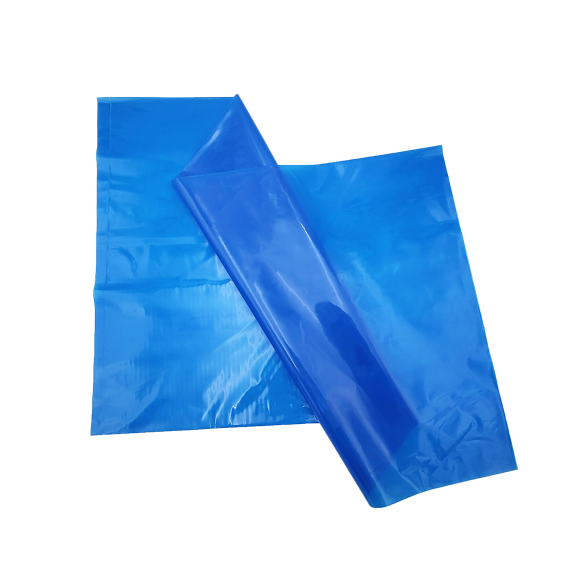
The demand for LDPE Polythene Bags blue has increased across multiple industries, including food packaging, retail, healthcare, logistics, and manufacturing. These bags are known for their flexibility, durability, moisture resistance, and cost-effectiveness, making them one of the most widely used packaging solutions in the global supply chain.
Blue LDPE polythene bags are especially popular in hygiene-sensitive industries because of their high visibility and contamination control advantages. Businesses rely on them for safe storage, transport, and handling of a wide range of products.
This comprehensive guide explains everything about LDPE polythene bags blue, including their structure, manufacturing process, benefits, applications, and how to choose the right type for your business needs.
What Are LDPE Polythene Bags Blue?
LDPE Polythene Bags blue are packaging bags made from Low-Density Polyethylene (LDPE), a flexible plastic material known for its softness, strength, and moisture resistance. These bags are dyed blue for identification, hygiene control, and industrial compliance purposes.
They are widely used in both commercial and industrial packaging due to their lightweight structure and protective qualities.
Key Functions
- Protect products from dust and moisture
- Provide hygienic packaging for sensitive goods
- Enable safe storage and transportation
- Offer visibility and traceability in industrial environments
What Is LDPE Material?
LDPE stands for Low-Density Polyethylene, a thermoplastic made from ethylene monomers. It is known for:
- High flexibility
- Good impact resistance
- Chemical resistance
- Lightweight structure
- Transparency or color adaptability
LDPE is widely used in packaging because it balances durability with affordability.
Why LDPE Polythene Bags Are Colored Blue
The blue color in LDPE bags is not just aesthetic; it serves functional and industrial purposes.
1. Hygiene Control
Blue bags are easy to identify, especially in food processing environments where contamination must be avoided.
2. Foreign Object Detection
If a piece of blue plastic contaminates food or raw materials, it is easier to detect compared to transparent or white materials.
3. Industry Standardization
Blue packaging is widely used in food, pharmaceutical, and manufacturing industries for compliance and safety audits.
4. Organizational Identification
Different colors help categorize waste, materials, or product types in warehouses.
Manufacturing Process of LDPE Polythene Bags Blue
The production of LDPE polythene bags involves a controlled industrial process to ensure strength and consistency.
Step 1: Raw Material Selection
LDPE resin pellets are selected based on required thickness and durability.
Step 2: Melting and Extrusion
The LDPE pellets are melted and formed into a thin plastic film using extrusion machines.
Step 3: Color Addition
Blue pigment is added during the extrusion process to ensure uniform coloring.
Step 4: Film Cooling
The plastic film is cooled and solidified into sheets.
Step 5: Cutting and Sealing
The film is cut into required sizes and sealed to form bags.
Step 6: Quality Testing
Each batch is tested for strength, thickness, and durability.
Key Features of LDPE Polythene Bags Blue
These bags offer a combination of strength, flexibility, and cost efficiency.
1. High Flexibility
Easily adapts to different shapes and contents.
2. Moisture Resistance
Protects contents from water and humidity.
3. Tear Resistance
Designed to withstand moderate pressure and handling.
4. Lightweight Structure
Does not add significant shipping weight.
5. Chemical Resistance
Resistant to many mild chemicals and substances.
6. Customizable Options
Available in different sizes, thicknesses, and printing options.
Types of LDPE Polythene Bags Blue
Different industries use different variations of LDPE bags.
1. Plain Blue LDPE Bags
Used for general storage and packaging needs.
2. Heavy-Duty LDPE Bags
Thicker bags designed for industrial use.
3. Food-Grade LDPE Bags
Certified safe for direct food contact.
4. Printed LDPE Bags
Used for branding, labeling, and product identification.
5. Gusseted LDPE Bags
Expandable sides for bulk packaging.
Applications of LDPE Polythene Bags Blue
LDPE blue bags are widely used across multiple industries.
1. Food Industry
Used for packaging:
- Meat
- Poultry
- Seafood
- Fruits and vegetables
- Bakery products
2. Healthcare and Pharmaceutical Sector
Used for sterile packaging and waste disposal.
3. Retail Industry
Used for packaging and product distribution.
4. Manufacturing Industry
Used for storing raw materials, parts, and components.
5. Logistics and Warehousing
Used for organizing and protecting goods during transit.
6. Agriculture Sector
Used for fertilizers, seeds, and produce packaging.
Benefits of Using LDPE Polythene Bags Blue
Businesses choose LDPE blue bags for several important advantages.
1. Cost-Effective Packaging Solution
LDPE bags are affordable compared to many other packaging materials.
2. Strong Product Protection
Protects against dust, moisture, and contamination.
3. Lightweight and Easy to Handle
Reduces shipping and handling costs.
4. High Versatility
Can be used in almost every industry.
5. Hygiene and Safety Compliance
Meets strict industry requirements in food and healthcare sectors.
6. Customizable Design
Can be manufactured in different sizes and thicknesses.
LDPE Polythene Bags Blue vs Other Plastic Bags
1. LDPE vs HDPE Bags
- LDPE is softer and more flexible
- HDPE is stiffer and stronger
- LDPE is better for wrapping and general packaging
2. LDPE vs PP Bags
- LDPE is more flexible
- PP is more rigid and heat-resistant
3. LDPE vs PVC Bags
- LDPE is more eco-friendly
- PVC has higher chemical resistance but is less sustainable
Factors to Consider When Buying LDPE Polythene Bags Blue
Choosing the right product depends on several key factors.
1. Thickness (GSM or Micron)
Thicker bags are needed for heavy-duty applications.
2. Size Requirements
Must match product dimensions to avoid wastage.
3. Food Safety Certification
Important for food and pharmaceutical use.
4. Load Capacity
Ensure the bag can handle the intended weight.
5. Temperature Resistance
Critical for cold storage and hot environments.
6. Printing Requirements
Some businesses require branding or labeling.
Environmental Impact of LDPE Polythene Bags
LDPE is widely used but also comes with environmental considerations.
Eco-Friendly Improvements Include:
- Recyclable LDPE materials
- Reduced thickness for material efficiency
- Reusable bag designs
- Improved waste management systems
Many manufacturers are also exploring biodegradable alternatives.
Industry Trends in LDPE Polythene Bags Blue Market
The LDPE packaging industry is evolving rapidly.
1. Growth in E-commerce Packaging
Online retail is increasing demand for flexible packaging solutions.
2. Focus on Sustainability
Companies are shifting toward recyclable materials.
3. Automation in Packaging
Factories are using automated bagging systems.
4. Custom Branding Demand
Businesses prefer printed LDPE bags for marketing.
5. Rising Demand in Food Safety
Hygiene regulations are driving adoption in food industries.
Storage and Handling Guidelines
To maintain product quality:
- Store in a cool, dry place
- Avoid direct sunlight exposure
- Keep away from sharp objects
- Use proper stacking methods
- Maintain hygiene standards in food industries
Conclusion
The LDPE Polythene Bags blue is one of the most versatile and widely used packaging solutions in modern industries. Its combination of flexibility, durability, moisture resistance, and affordability makes it a preferred choice across food, healthcare, retail, and industrial sectors.
The blue color adds an additional layer of safety and visibility, making it especially useful in hygiene-sensitive environments. As industries continue to prioritize efficiency and sustainability, LDPE polythene bags will remain a key component of global packaging systems.
FAQs
1. What are LDPE polythene bags blue used for?
They are used for packaging, storage, and transportation of goods across food, retail, healthcare, and industrial sectors.
2. Are LDPE blue bags food safe?
Yes, food-grade LDPE bags are safe for direct contact with food products.
3. Why are LDPE bags colored blue?
The blue color helps with hygiene control, contamination detection, and industry compliance.
4. Can LDPE polythene bags be recycled?
Yes, LDPE is recyclable depending on local recycling facilities.
5. What industries use LDPE blue bags the most?
Food processing, healthcare, logistics, manufacturing, and agriculture industries.
6. How strong are LDPE polythene bags?
Strength depends on thickness, but they are generally strong enough for light to medium-duty applications.