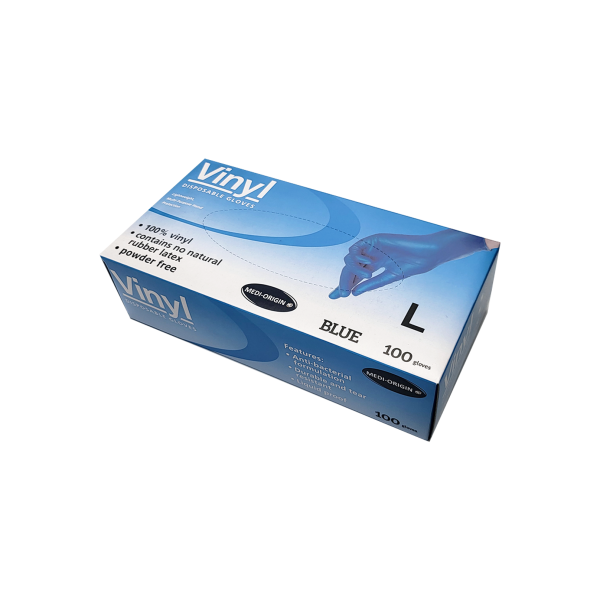
Hand protection is essential in many industries where safety, hygiene, and contamination control are important. From healthcare facilities and laboratories to food preparation areas, cleaning services, and manufacturing environments, choosing the right protective gloves can make a significant difference in workplace safety.
Among the many disposable glove options available today, nitrile powder free gloves have become one of the most popular choices for professionals who require reliable protection, comfort, and durability. These gloves provide an effective barrier against contaminants while offering excellent flexibility and resistance compared with many traditional glove materials.
Unlike powdered gloves, powder-free nitrile gloves are designed without added powder inside the glove, reducing the risk of skin irritation and contamination. Their combination of strength, comfort, and versatility makes them suitable for a wide range of applications.
This complete guide explains what nitrile powder free gloves are, their benefits, common uses, key features, and how to choose the right gloves for your workplace.
What Are Nitrile Powder Free Gloves?
Nitrile powder free gloves are disposable protective gloves made from synthetic nitrile rubber without the addition of powder inside the glove.
Nitrile is a durable material created from synthetic polymers that provide strong resistance against many chemicals, punctures, and contaminants.
The powder-free design means the gloves do not contain cornstarch or other powder materials that were traditionally used to make gloves easier to put on and remove.
These gloves are commonly used in industries where cleanliness and safety are priorities, including:
- Healthcare
- Dental practices
- Laboratories
- Food handling
- Automotive services
- Cleaning industries
- Manufacturing
Why Choose Powder Free Nitrile Gloves?
Different workplaces have different safety requirements. Nitrile powder free gloves offer several advantages that make them a preferred option for many professionals.
Reduced Risk of Skin Irritation
Powdered gloves can sometimes cause skin sensitivity or irritation, especially for people who wear gloves for extended periods.
Powder-free nitrile gloves help reduce these concerns by eliminating internal powder residue.
Benefits include:
- Improved comfort
- Reduced skin dryness
- Better suitability for sensitive users
Better Contamination Control
In environments where cleanliness is critical, powder-free gloves provide an important advantage.
The absence of powder helps prevent:
- Product contamination
- Surface residue
- Transfer of particles
This makes them suitable for medical, laboratory, and food-related applications.
Strong Durability and Protection
Nitrile is known for its excellent strength and resistance.
Compared with many other disposable glove materials, nitrile gloves offer:
- Better puncture resistance
- Improved tear resistance
- Reliable barrier protection
This makes them suitable for tasks where glove damage could create safety risks.
Comfortable Fit and Flexibility
Modern nitrile gloves are designed to provide a comfortable fit while maintaining protection.
They offer:
- Good hand movement
- Finger sensitivity
- Comfortable wear during long tasks
This is especially important for professionals who need precision and control.
Common Uses of Nitrile Powder Free Gloves
Because of their versatility, nitrile powder free gloves are used across many industries.
Healthcare and Medical Applications
Healthcare professionals rely on disposable gloves to maintain hygiene and reduce exposure risks.
Common uses include:
- Patient examinations
- Medical procedures
- Healthcare cleaning
- General clinical tasks
The powder-free design is especially valuable in healthcare environments where contamination control is essential.
Dental Practices
Dental professionals use nitrile gloves during examinations and procedures.
They provide:
- Protection from contaminants
- Comfortable handling
- Good tactile sensitivity
Powder-free options help maintain a clean clinical environment.
Food Preparation and Handling
Food businesses require gloves that support hygiene standards without affecting food quality.
Nitrile powder free gloves are commonly used in:
- Restaurants
- Catering businesses
- Food production facilities
- Bakeries
They help prevent direct contact between hands and food while maintaining cleanliness.
Laboratory and Research Work
Laboratories require reliable hand protection when handling samples, chemicals, and materials.
Nitrile gloves are often preferred because they provide:
- Chemical resistance
- Good protection
- Comfortable wear
Automotive and Mechanical Work
Mechanics and technicians use nitrile gloves to protect their hands from oils, grease, and contaminants.
Benefits include:
- Resistance to many automotive fluids
- Strong material performance
- Improved hand protection
Cleaning and Maintenance Industries
Cleaning professionals use disposable gloves to protect against:
- Cleaning chemicals
- Dirt
- Bacteria
- Workplace contaminants
Nitrile gloves provide a practical balance between comfort and protection.
Key Features of Nitrile Powder Free Gloves
When selecting gloves, understanding important features helps ensure you choose the right product.
Powder-Free Design
The absence of powder makes these gloves suitable for environments where contamination control is important.
This feature is especially valuable in:
- Healthcare
- Food processing
- Laboratories
Latex-Free Material
Many nitrile gloves are latex-free, making them a suitable option for users who need an alternative to natural rubber latex gloves.
They reduce concerns related to latex sensitivity while maintaining strong protective qualities.
Chemical Resistance
Nitrile provides resistance against many chemicals and substances.
However, protection levels depend on the specific glove thickness and chemical exposure involved.
Always check manufacturer guidelines for specialised applications.
Puncture Resistance
Nitrile gloves generally provide better puncture resistance than many disposable glove alternatives.
This makes them useful for tasks where accidental tearing is possible.
Textured Grip
Many nitrile gloves feature textured fingertips or surfaces to improve grip.
This helps users maintain control when handling:
- Tools
- Equipment
- Medical instruments
- Small objects
Nitrile Powder Free Gloves vs Latex Gloves
Many workplaces compare nitrile and latex gloves before making a purchasing decision.
Nitrile Gloves
Advantages include:
- Latex-free option
- Strong puncture resistance
- Good chemical resistance
- Suitable for sensitive users
Latex Gloves
Advantages include:
- Excellent flexibility
- Natural feel
- Good elasticity
However, latex gloves may not be suitable for individuals with latex sensitivity.
For many workplaces, nitrile gloves provide a practical balance between protection and comfort.
Nitrile Powder Free Gloves vs Vinyl Gloves
Vinyl gloves are another common disposable glove option.
Nitrile Gloves
Offer:
- Better durability
- Improved protection
- Higher resistance
Vinyl Gloves
Offer:
- Lower cost
- Suitable for light-duty tasks
For demanding applications, nitrile gloves are generally preferred due to their stronger performance.
How to Choose the Right Nitrile Powder Free Gloves
Selecting the right gloves depends on your workplace requirements.
Consider Glove Thickness
Thicker gloves generally provide increased protection, while thinner gloves offer improved flexibility and sensitivity.
Choose thickness based on:
- Task requirements
- Exposure risks
- Required dexterity
Choose the Correct Size
Proper sizing is important for both safety and comfort.
A glove that is too small may:
- Tear easily
- Cause discomfort
- Limit movement
A glove that is too large may:
- Reduce control
- Affect precision
Common sizes include:
- Small
- Medium
- Large
- Extra large
Check Certifications and Standards
Quality gloves should meet relevant safety and performance standards.
Look for products that provide information about:
- Material quality
- Testing standards
- Intended applications
Consider Intended Use
Different industries require different glove specifications.
For example:
- Medical tasks may require high hygiene standards
- Industrial tasks may require stronger protection
- Food handling may require approved materials
Benefits of Buying Nitrile Powder Free Gloves in Bulk
Businesses that regularly use disposable gloves often purchase them in bulk.
Benefits include:
Lower Cost Per Unit
Bulk purchasing often reduces the overall cost compared with smaller purchases.
Reliable Supply
Maintaining stock helps prevent workplace interruptions caused by shortages.
Easier Inventory Management
Bulk orders make it easier to monitor usage and maintain consistent supplies.
Professional Workplace Standards
Having sufficient protective equipment available supports better workplace safety practices.
Proper Storage of Nitrile Gloves
Correct storage helps maintain glove quality.
Store gloves in:
- A cool, dry location
- Away from direct sunlight
- Original packaging when possible
Avoid exposure to:
- Excessive heat
- Moisture
- Chemicals
Proper storage helps extend product usability.
Common Mistakes When Choosing Disposable Gloves
Businesses should avoid several common mistakes when purchasing gloves.
Choosing Only Based on Price
The cheapest option may not provide the required protection or durability.
Selecting the Wrong Size
Incorrect sizing affects comfort and safety.
Ignoring Application Requirements
Different tasks require different levels of protection.
Buying From Unreliable Suppliers
Poor-quality gloves can create safety risks and operational problems.
FAQs About Nitrile Powder Free Gloves
1. What are nitrile powder free gloves?
Nitrile powder free gloves are disposable protective gloves made from synthetic nitrile rubber without internal powder. They provide protection, comfort, and contamination control.
2. Are nitrile powder free gloves latex-free?
Yes, most nitrile gloves are latex-free, making them a popular alternative for people who need to avoid natural rubber latex.
3. Are nitrile gloves better than latex gloves?
Nitrile gloves offer excellent puncture resistance and chemical protection, while latex gloves provide strong flexibility. The best choice depends on the application.
4. Can nitrile powder free gloves be used for food handling?
Yes, many nitrile powder free gloves are suitable for food preparation and handling when they meet relevant food safety requirements.
5. Why are powder-free gloves preferred?
Powder-free gloves reduce the risk of contamination and skin irritation associated with powdered glove products.
6. How long can nitrile gloves be stored?
Storage life depends on product quality and conditions. Keeping gloves sealed and stored correctly helps maintain performance.
7. What sizes are available for nitrile powder free gloves?
Nitrile gloves are commonly available in small, medium, large, and extra-large sizes to provide a comfortable fit for different users.
Conclusion
Choosing the right protective gloves is essential for maintaining workplace safety, hygiene, and comfort. Nitrile powder free gloves provide a reliable solution for industries that require strong protection, flexibility, and contamination control.
Their durability, latex-free design, and wide range of applications make them suitable for healthcare, food handling, laboratories, automotive work, cleaning services, and many other professional environments.
By selecting the correct size, thickness, quality standard, and supplier, businesses can ensure they have dependable hand protection that supports safer and more efficient operations.