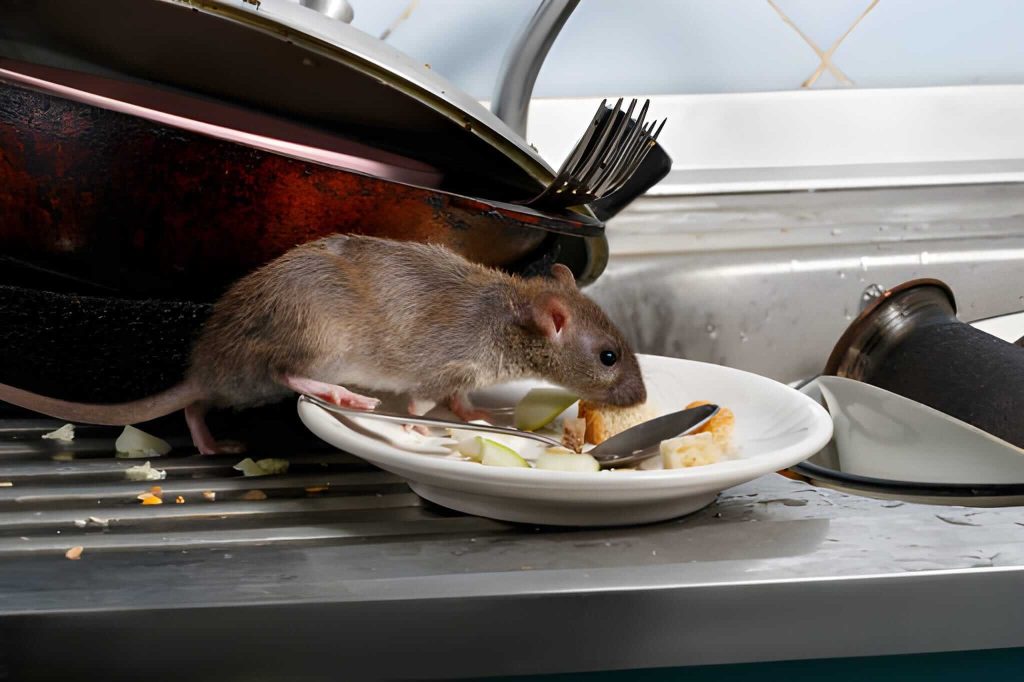
Rats can become a serious problem when they enter homes, commercial buildings, warehouses, restaurants, roof spaces, garages, or outdoor areas. They are highly adaptable animals that can take advantage of accessible food, water, shelter, and entry points around a property. Once established, rats may contaminate areas, damage stored materials, gnaw building components, and create ongoing pest-management concerns.
Professional rat control Sydney involves more than simply dealing with a rat when it appears. Effective control requires inspection, identification of activity, reduction of food and shelter, management of entry points, an appropriate control strategy, and follow-up monitoring. Without addressing the conditions supporting rodent activity, new rats may continue entering the property.
Sydney’s mix of residential areas, commercial districts, food businesses, gardens, drainage systems, older buildings, construction activity, and densely developed suburbs can provide opportunities for rodents.
This guide explains the common signs of rats, why they enter properties, where they hide, professional control methods, prevention strategies, and what to consider when choosing a rat-control service in Sydney.
Why Are Rats a Problem?
Rats are more than an unpleasant sight.
Their activity can affect hygiene, property condition, stored products, and business operations.
Potential problems include:
- Contamination of food and surfaces
- Damage caused by gnawing
- Droppings and urine in affected areas
- Damage to packaging
- Disturbed insulation
- Unpleasant odours
- Noise in roof or wall spaces
- Business reputation concerns
- Ongoing pest activity
Rodent problems should therefore be investigated rather than ignored.
Common Signs of Rats
Rats are often active when buildings are quiet, so occupants may notice evidence before seeing a live animal.
Signs can include:
Droppings
Rodent droppings may be found around feeding areas, storage rooms, cupboards, roof spaces, garages, or along travel routes.
Droppings should be handled carefully because rodent waste can create hygiene concerns.
Gnaw Marks
Rats gnaw on various materials.
Damage may appear on food packaging, timber, plastic containers, stored goods, and building materials.
Scratching Sounds
Movement inside roof spaces, ceilings, walls, or under floors may create scratching or scurrying sounds, particularly when the property is quiet.
Grease or Rub Marks
Repeated movement along particular surfaces can sometimes leave dark marks.
Damaged Food Packaging
Torn, chewed, or opened food packages can indicate rodent activity.
Nesting Material
Rats may use shredded paper, insulation, fabric, or other soft materials for nesting.
What Attracts Rats to a Property?
Rats generally remain where basic resources are available.
The main attractions are food, water, and shelter.
Food
Potential food sources include:
- Unsealed rubbish
- Pet food
- Bird seed
- Fallen fruit
- Food scraps
- Stored dry goods
- Compost
- Commercial food waste
Even small amounts of regularly available food can support pest activity.
Water
Leaking taps, drainage areas, pet bowls, standing water, and other moisture sources may contribute to favourable conditions.
Shelter
Roof voids, wall cavities, sheds, dense vegetation, storage areas, clutter, and spaces beneath structures can provide protected locations.
Removing these attractants is an important part of long-term rat control Sydney.
How Do Rats Get Into Buildings?
Rats can exploit gaps and openings around structures.
Potential access points include:
- Gaps around doors
- Damaged vents
- Openings around pipes
- Roof gaps
- Wall penetrations
- Damaged building materials
- Utility entry points
- Gaps around garages
- Drainage-related access in some circumstances
The appropriate inspection should consider both obvious and less visible entry routes.
Simply removing rats without investigating access points may allow the problem to return.
Where Do Rats Hide?
Rats prefer areas where they can remain relatively protected from disturbance.
Common locations include:
- Roof voids
- Wall cavities
- Garages
- Sheds
- Storage rooms
- Warehouses
- Under floors
- Gardens
- Dense vegetation
- Around rubbish areas
- Behind stored materials
The location of droppings, gnawing, noises, or other evidence can help a pest technician identify likely harbourage and travel areas.
Why Rat Problems Can Become Worse Quickly
Rats are adaptable and can reproduce when environmental conditions support them.
A small amount of activity should not automatically be assumed to represent only one rodent.
Because rats often remain hidden, the visible evidence may represent only part of the problem.
Early assessment can help determine the extent of activity before it spreads into additional areas.
For this reason, unexplained droppings, persistent noises, or repeated sightings should be investigated.
Rat Control Starts With Inspection
Professional rat control Sydney should begin with understanding what is happening at the property.
An inspection may assess:
- Evidence of rodent activity
- Likely travel routes
- Entry points
- Food sources
- Water sources
- Roof spaces where safely accessible
- Storage areas
- Rubbish areas
- External conditions
- Building gaps
- Potential nesting areas
The technician can then develop a control strategy based on the actual property rather than relying on a standard approach.
Professional Rat Control Sydney: How Does It Work?
Professional rat management may combine several methods.
The exact approach depends on the building, infestation, safety requirements, and surrounding environment.
Common elements can include:
- Inspection
- Identification of activity
- Trapping
- Secure baiting where appropriate
- Monitoring
- Sanitation recommendations
- Entry-point management
- Follow-up visits
- Prevention advice
An integrated strategy is generally more effective than relying on one method alone.
Rat Trapping
Traps can form an important part of rodent management.
Different trap types may be selected depending on the property and circumstances.
Placement is important because rats often follow established routes and remain close to walls or sheltered areas.
Poorly positioned traps may produce limited results.
Traps also need appropriate monitoring and management.
Households with children or pets should consider accessibility and safety when any pest-control equipment is used.
Rodent Baiting
Rodent baits may be used as part of professional control programs where appropriate.
However, rodenticides require careful selection, placement, and management.
Professional pest technicians consider factors such as:
- Children
- Pets
- Wildlife
- Building type
- Rat activity
- Bait placement
- Access
- Monitoring requirements
Where bait stations are used, they should be suitable for the intended environment and managed according to relevant product directions.
Homeowners should never assume that placing loose rodent bait around a property is an appropriate or safe solution.
Why Rats May Avoid New Objects
Rats can be cautious around changes in their environment.
New traps, bait stations, or unfamiliar objects may initially be avoided.
This behaviour can affect how quickly a control program produces results.
Professional rodent management therefore involves more than placing equipment randomly.
Understanding rodent movement and monitoring activity can help determine appropriate placement and adjustments.
Rat Control in Roof Spaces
Hearing movement in the ceiling at night is a common reason people seek rat control Sydney services.
Roof spaces can provide shelter and may contain insulation or other materials suitable for nesting.
A professional inspection may look for:
- Droppings
- Gnawing
- Nesting material
- Travel routes
- Entry points
- Contamination
Roof spaces can also contain electrical wiring, unstable surfaces, heat hazards, and other risks.
Homeowners should avoid entering unsafe roof areas simply to investigate noises.
Rats and Electrical Wiring
Rodents may gnaw various materials, including some electrical components.
Damage to electrical wiring can create serious concerns.
If visible wiring appears damaged, avoid handling it and arrange assessment by an appropriately qualified electrical professional.
Rodent control should then address the pest activity and access conditions contributing to the problem.
Pest technicians should not be expected to perform electrical repairs unless appropriately qualified for that work.
Rat Control in Kitchens
Kitchens provide many of the resources rats seek.
Food, water, appliances, cupboards, bins, and hidden gaps can all contribute to activity.
Useful prevention measures include:
- Store food securely
- Clean spills and crumbs
- Empty rubbish appropriately
- Avoid leaving pet food overnight
- Inspect damaged packaging
- Keep storage areas organised
- Address leaks
- Seal suitable entry points
If droppings or contamination are found around food areas, careful cleaning and appropriate hygiene procedures are important.
Rat Control in Gardens
Outdoor rat activity can be supported by gardens and yards.
Potential attractants include:
- Fallen fruit
- Compost
- Bird feeding
- Pet food
- Dense vegetation
- Rubbish
- Clutter
- Sheds
- Stored materials
Keeping gardens maintained can reduce shelter and food availability.
Trim excessive vegetation, manage fallen fruit, secure waste, and avoid leaving food available overnight.
Outdoor prevention can play an important role in reducing pressure on the building itself.
Rats Around Rubbish and Bins
Waste-management areas can provide a consistent food source.
Bins should have suitable lids and be kept in reasonable condition.
Avoid allowing loose rubbish to accumulate around bin areas.
Commercial businesses may require more frequent waste collection or better cleaning around external waste zones.
Food businesses should pay particular attention to waste-management practices because ongoing food availability can undermine a rodent-control program.
Rat Control for Apartments
Rodent control in apartment buildings can require cooperation between individual occupants and building management.
Rats may move through shared structural areas, service penetrations, rubbish zones, garages, gardens, or other common spaces.
Treating one apartment may not resolve a wider building problem.
Depending on the circumstances, strata representatives, landlords, building managers, or other responsible parties may need to coordinate inspection and control.
Rat Control for Restaurants and Cafes
Rodent activity can be particularly serious for food businesses.
Restaurants, cafes, commercial kitchens, bakeries, and food-storage facilities should maintain strong pest-prevention practices.
A commercial rodent-management plan may involve:
- Scheduled inspections
- Monitoring stations
- Appropriate control measures
- Waste management
- Food-storage improvements
- Building exclusion
- Documentation
- Follow-up
Good sanitation and pest-proofing are essential because pest treatments alone cannot compensate for continuous food access.
Rat Control for Warehouses
Warehouses can provide extensive hiding locations and may contain packaged food or other materials vulnerable to damage.
Large buildings also have loading docks, roller doors, storage racks, service penetrations, and other potential entry points.
Effective management may involve:
- Site inspection
- Rodent monitoring
- Storage improvements
- Waste control
- Entry-point management
- Appropriate trapping or baiting
- Regular follow-up
Commercial pest programs should be designed around the site’s operations and risk profile.
Rat Control for Offices
Offices can also experience rodent problems, particularly when food is stored or consumed in kitchens, break rooms, desks, or storage areas.
Staff can support pest management by:
- Keeping food in sealed containers
- Cleaning shared kitchens
- Emptying bins
- Reporting droppings quickly
- Avoiding food storage in open desk drawers
- Reporting building gaps or damage
A professional inspection can determine whether activity is isolated or connected to a wider building issue.
Rat-Proofing a Property
Exclusion is one of the most important elements of long-term rodent management.
Rat-proofing involves identifying and appropriately addressing openings that rodents can use.
Potential measures include:
- Repairing damaged doors
- Addressing gaps around pipes
- Repairing vents
- Sealing suitable wall penetrations
- Repairing damaged roof areas
- Maintaining garage doors
- Correcting structural gaps
The correct material and repair method depend on the opening and building construction.
Large structural repairs should be completed by appropriately qualified trades where necessary.
Why Foam Alone May Not Solve Entry Problems
Some homeowners attempt to close rodent gaps using basic expanding foam.
Rats can gnaw many softer materials, so foam alone may not provide a durable barrier in certain locations.
Effective exclusion requires materials appropriate to the building and entry point.
A pest professional can identify likely access areas, while a builder or other trade may be needed for significant repairs.
Food Storage and Rat Prevention
Reducing food availability can make a property less attractive to rodents.
Store dry foods such as grains, cereals, flour, pet food, and bird seed in suitable closed containers.
Regularly inspect storage areas for:
- Damaged packaging
- Droppings
- Gnaw marks
- Spills
- Food debris
Rotating stored products can also prevent forgotten food from remaining undisturbed for long periods.
Pet Food and Rats
Pet food can provide a significant food source.
Avoid leaving bowls of food available overnight where rodent activity is a concern.
Store bulk pet food securely and clean spilled food around feeding areas.
Outdoor pet feeding stations should also be monitored.
These simple changes can support a broader rat control Sydney program.
Bird Feeders and Rodent Activity
Bird feeding can unintentionally provide food for rodents.
Seed falling onto the ground may become available to rats, particularly overnight.
If rodent activity develops around bird-feeding areas, consider reducing spillage, changing feeding practices, or temporarily removing the food source while the pest problem is addressed.
Cleaning Rat Droppings
Rodent droppings and contaminated materials should be handled cautiously.
Avoid unnecessary direct contact and follow appropriate public-health guidance for cleaning contaminated areas.
For significant contamination, particularly in roof voids or enclosed spaces, professional cleaning may be more appropriate.
People should also consider the condition of insulation and stored materials if they have been heavily contaminated.
Rat Control and Pets
Pet safety is an important consideration when using traps, bait stations, or rodenticides.
Tell the pest-control provider about all pets before treatment.
The technician can then plan equipment placement and provide specific instructions.
Follow all safety and access guidance.
Do not move or open professional bait stations unless instructed to do so.
Why DIY Rat Control May Fail
DIY control may help in some limited situations, but recurring infestations often involve conditions that have not been addressed.
Common problems include:
- Poor trap placement
- Insufficient monitoring
- Failure to identify entry points
- Continued food access
- Inappropriate bait use
- Treating only one area
- Ignoring outdoor activity
- Stopping control too early
Professional rat control Sydney can provide a more systematic assessment of both the rodents and the property conditions supporting them.
How Long Does Rat Control Take?
There is no universal timeframe.
The duration depends on:
- Number of rats
- Property size
- Access points
- Food availability
- Control method
- Building type
- Surrounding environment
- Monitoring results
Some situations may improve relatively quickly, while complex infestations can require multiple visits and ongoing prevention work.
The technician should explain what monitoring and follow-up are recommended.
Can Rats Return After Treatment?
Yes.
Removing existing rats does not prevent new rodents from entering if food, shelter, and access remain available.
This is why exclusion and environmental management are so important.
Long-term prevention should focus on:
- Entry points
- Waste
- Food storage
- Pet food
- Garden maintenance
- Clutter
- Building repairs
- Monitoring
The objective is to make the property less accessible and less attractive.
How Often Should Rat Control Be Done?
There is no fixed schedule appropriate for every property.
A residential home with a one-off problem may require a different approach from a restaurant, warehouse, or apartment complex with ongoing rodent pressure.
Commercial properties may benefit from scheduled pest-monitoring programs.
Residential properties can also benefit from periodic inspections where previous infestations or surrounding conditions create ongoing risks.
How to Choose a Rat Control Sydney Provider
When selecting a pest-control business, consider more than the lowest advertised price.
Ask:
- Are the technicians appropriately licensed where required?
- Is an inspection included?
- How will rodent activity be assessed?
- What control methods are recommended?
- How are children and pets considered?
- Will entry points be identified?
- Is follow-up included?
- Are prevention recommendations provided?
- What does the quoted price include?
A professional provider should be able to explain the proposed treatment and why it is suitable for the property.
Cost of Rat Control in Sydney
The cost of rat control Sydney varies according to the circumstances.
Pricing can be affected by:
- Property size
- Infestation level
- Location of activity
- Roof-space access
- Number of treatment areas
- Control methods
- Follow-up requirements
- Exclusion work
A small residential problem may cost less to manage than widespread rodent activity across a large commercial building.
When comparing quotes, check exactly what inspection, treatment, follow-up, and prevention work is included.
Common Rat Control Mistakes
Avoid these common mistakes:
- Ignoring early signs
- Leaving pet food out overnight
- Using unsecured rodent bait
- Failing to inspect entry points
- Leaving rubbish accessible
- Ignoring garden conditions
- Using traps without monitoring
- Treating only indoor areas
- Assuming one rat means there is no wider problem
- Failing to complete recommended building repairs
Long-term control depends on combining removal with prevention.
Frequently Asked Questions About Rat Control Sydney
What are the main signs of rats?
Common signs include droppings, gnaw marks, scratching noises, damaged food packaging, nesting material, and occasional live sightings.
Why do I hear rats in my roof at night?
Roof spaces can provide protected shelter. Rodents may also move through roof areas while searching for food or access to other parts of a building. A professional inspection can help identify activity and possible entry points.
What attracts rats to homes?
Accessible rubbish, pet food, bird seed, fallen fruit, stored food, water, clutter, vegetation, and sheltered building areas can all contribute.
Is professional rat control safe for pets?
Treatment can be planned with pets in mind, but precautions depend on the methods used. Tell your pest-control provider about pets and follow all safety instructions.
How long does rat control Sydney take?
The timeframe depends on the infestation, property, access points, food availability, and control strategy. Some problems require multiple visits and monitoring.
Will rats return after pest control?
New rats can enter if access points and attractants remain. Exclusion, sanitation, food management, and monitoring help reduce the risk of recurrence.
Should I seal rat holes immediately?
Timing can matter. Sealing active access points without considering whether rodents remain inside can create additional problems. Ask a pest professional to assess the situation and recommend the appropriate sequence.
Can rats damage electrical wires?
Rodents can gnaw some wiring and electrical materials. If electrical damage is suspected, avoid handling affected components and arrange assessment by a qualified electrical professional.
How much does rat control Sydney cost?
Costs depend on property size, infestation severity, treatment method, access, monitoring, and whether exclusion work is required. A property-specific quote provides a more meaningful estimate.
When should I call a professional rat controller?
Professional help is appropriate when you repeatedly see rats, find droppings, hear roof or wall activity, notice gnawing, experience contamination, or continue having problems despite basic prevention measures.
Final Thoughts
Effective rat control Sydney requires more than removing the rodents currently visible inside a property. Rats are attracted by accessible food, water, shelter, and entry points, so lasting management depends on addressing these conditions as well as controlling the existing activity.
Early warning signs such as droppings, scratching noises, damaged packaging, gnaw marks, and unusual roof-space activity should not be ignored. An inspection can help identify where rats are travelling, how they may be entering, and what resources are supporting them.
Professional rat control Sydney may combine trapping, carefully managed baiting, monitoring, sanitation recommendations, entry-point identification, and follow-up. The appropriate approach will depend on whether the problem affects a house, apartment, restaurant, warehouse, office, or another type of property.
After treatment, prevention remains essential. Secure food and rubbish, manage pet food, maintain gardens, reduce clutter, repair building gaps, and continue monitoring areas where activity has occurred.
By combining professional pest management with practical property maintenance, Sydney homeowners and businesses can reduce rodent activity, protect their buildings and stored materials, and lower the risk of rats becoming a recurring problem.