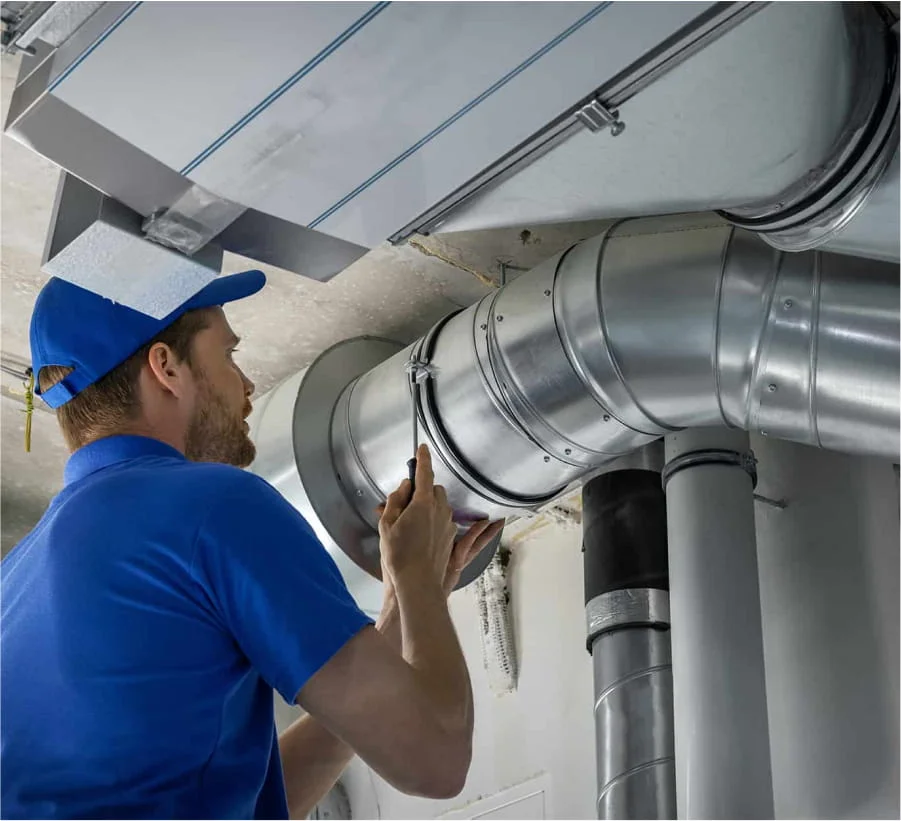
A properly functioning heating system is essential for maintaining a comfortable and energy-efficient home. While many homeowners focus on their furnace, heat pump, or thermostat, the ductwork that distributes warm air throughout the property plays an equally important role. If heating ducts become damaged, blocked, or poorly sealed, the entire heating system can lose efficiency and struggle to maintain comfortable temperatures.
Professional repair heating ducts services help restore airflow, improve heating performance, and prevent energy waste caused by damaged ductwork. Whether your home has old ducts, leaking connections, poor insulation, or airflow problems, timely repairs can help your heating system operate more effectively.
Heating ducts are responsible for transporting warm air from your heating unit to different rooms. When these pathways are compromised, heated air may escape before reaching your living spaces. This can lead to higher energy bills, uneven temperatures, poor indoor air quality, and unnecessary strain on your HVAC system.
This detailed guide explains common heating duct problems, warning signs that repairs are needed, repair methods, benefits of professional duct services, maintenance tips, and frequently asked questions.
What Are Heating Ducts and Why Do They Matter?
Heating ducts are an important part of an HVAC system. They act as pathways that move heated air from your furnace, heat pump, or heating equipment to different areas of your home or commercial property.
A complete duct system usually includes:
- Supply ducts that deliver heated air
- Return ducts that bring air back to the heating system
- Registers and vents that release warm air
- Sealing materials that prevent air leakage
- Insulation that maintains air temperature
When ducts are properly installed and maintained, warm air is distributed efficiently throughout the building. However, damaged ductwork can reduce system performance and increase operating costs.
Why Heating Duct Repair Is Important
Many homeowners overlook duct problems because they are often hidden behind walls, ceilings, or floors. However, damaged ducts can significantly affect heating efficiency.
Repairing heating ducts helps:
- Improve airflow
- Reduce energy waste
- Maintain consistent indoor temperatures
- Improve indoor air quality
- Reduce stress on HVAC equipment
A heating system with damaged ducts may continue running, but it often requires more energy to achieve the desired temperature.
Common Problems That Require Heating Duct Repair
Heating ducts can develop various issues over time. Understanding common problems can help homeowners identify when professional repairs are necessary.
Leaking Heating Ducts
Duct leaks are one of the most common reasons homeowners need duct repairs.
Small cracks, gaps, and loose connections allow heated air to escape before reaching the rooms where it is needed.
Common causes of duct leaks include:
- Aging duct materials
- Poor installation
- Loose duct joints
- Damaged seals
- Physical impact
Leaking ducts reduce heating efficiency and can cause your HVAC system to work harder than necessary.
Damaged or Crushed Duct Sections
Ductwork can become damaged due to construction work, accidental impacts, or improper installation.
Crushed ducts restrict airflow and reduce the amount of warm air reaching certain areas.
Signs of damaged duct sections include:
- Weak airflow from vents
- Cold rooms despite heating operation
- Uneven temperature distribution
- Increased heating system usage
Loose Duct Connections
Heating ducts are connected using joints and fittings. Over time, these connections may loosen and create gaps.
Loose connections can cause:
- Air leakage
- Reduced airflow
- Higher heating costs
Repairing and sealing these areas helps restore system efficiency.
Poor Duct Insulation
Insulation helps maintain the temperature of heated air while it travels through ductwork.
Damaged or missing insulation can cause heat loss, especially in areas such as:
- Attics
- Basements
- Garages
- Crawl spaces
Poor insulation forces heating systems to operate longer to maintain indoor comfort.
Blocked or Dirty Ducts
Dust, debris, and other materials can restrict airflow inside duct systems.
Blocked ducts may cause:
- Reduced heating performance
- Poor air circulation
- Increased energy consumption
Cleaning and repairing affected sections can improve airflow.
Signs You Need to Repair Heating Ducts
Recognising early warning signs can help prevent costly HVAC problems.
Uneven Heating in Different Rooms
If some rooms are warm while others remain cold, your ductwork may not be distributing air properly.
Possible causes include:
- Leaking ducts
- Poor airflow balance
- Damaged duct sections
A professional inspection can identify the exact problem.
Higher Energy Bills
A sudden increase in heating costs may indicate that your duct system is losing efficiency.
When warm air escapes through leaks, your heating system must run longer to maintain the set temperature.
Weak Airflow From Vents
If airflow from vents feels weaker than normal, damaged ductwork may be preventing proper air movement.
Possible causes include:
- Blocked ducts
- Leaks
- Collapsed sections
Excessive Dust Around Your Home
Damaged ducts can allow dust and contaminants to enter your heating system.
If you notice increased dust levels despite regular cleaning, your ductwork may need inspection.
Strange Sounds From Ductwork
Unusual sounds can indicate duct problems.
Common noises include:
- Whistling
- Rattling
- Popping
- Banging
These sounds may result from loose connections or damaged materials.
Poor Indoor Air Quality
Leaking ducts can pull air from areas such as attics or crawl spaces, introducing unwanted particles into your home.
This may contribute to:
- Dust buildup
- Unpleasant smells
- Reduced comfort
Professional Heating Duct Repair Process
Professional duct repair involves identifying problems and restoring proper airflow.
Initial Duct Inspection
The first step is a detailed inspection of the heating duct system.
Technicians check for:
- Visible damage
- Air leaks
- Loose connections
- Insulation issues
- Airflow problems
A proper inspection ensures the correct repair approach is used.
Identifying the Cause of Damage
After inspection, professionals determine the main cause of the problem.
Common causes include:
- Poor installation
- Age-related damage
- Mechanical damage
- Lack of maintenance
Finding the cause helps prevent repeated issues.
Sealing Duct Leaks
Small leaks are usually repaired using professional duct sealing methods.
Proper sealing helps:
- Reduce air loss
- Improve efficiency
- Increase heating performance
Repairing Damaged Sections
If sections of ductwork are damaged, technicians may repair or replace affected areas.
This restores proper airflow and prevents further energy loss.
Replacing Damaged Insulation
If duct insulation has deteriorated, replacement may be necessary.
New insulation helps:
- Maintain air temperature
- Reduce heat loss
- Improve efficiency
Testing the Heating System
After repairs are completed, professionals test the system to ensure proper operation.
They may check:
- Airflow performance
- Temperature output
- System efficiency
Benefits of Repairing Heating Ducts
Professional heating duct repairs provide several important benefits.
Improved Energy Efficiency
Repaired ducts allow more warm air to reach the intended areas of your property.
This reduces wasted energy and improves heating efficiency.
Lower Heating Costs
When ducts operate properly, your heating system does not need to work as hard.
This can help reduce monthly energy expenses.
More Comfortable Indoor Temperatures
Proper duct performance helps eliminate cold spots and creates more consistent heating throughout the property.
Better Indoor Air Quality
Sealed and repaired ducts reduce the entry of dust, pollutants, and contaminants into your airflow system.
Longer HVAC Lifespan
Damaged ducts increase strain on heating equipment. Repairs reduce workload and may help extend the life of your HVAC system.
Reduced System Noise
Loose or damaged ducts can create unwanted sounds. Proper repairs can help create quieter heating operation.
Repair Heating Ducts vs Replacing the Entire System
Not every duct issue requires complete replacement.
When Duct Repair Is Enough
Repair is often suitable for:
- Small leaks
- Loose connections
- Minor insulation damage
- Small cracks
When Duct Replacement May Be Necessary
Replacement may be recommended when:
- Ducts are severely damaged
- The system is very old
- There are major design problems
- Repairs are no longer cost-effective
A professional assessment can help determine the best option.
How to Maintain Heating Ducts After Repair
Proper maintenance helps prevent future duct problems.
Change Air Filters Regularly
Dirty filters restrict airflow and increase pressure on your heating system.
Replace filters according to manufacturer recommendations.
Schedule HVAC Inspections
Regular inspections help identify potential duct problems before they become serious.
Keep Vents Clear
Avoid blocking vents with furniture, curtains, or other objects.
Clear vents allow better airflow.
Monitor Heating Performance
Pay attention to:
- Temperature changes
- Strange sounds
- Weak airflow
- Increased energy costs
Early detection helps reduce repair expenses.
Improve Overall Home Efficiency
In addition to duct repairs, consider:
- Improving insulation
- Sealing air gaps
- Installing an efficient thermostat
- Maintaining heating equipment
These improvements support better energy performance.
Choosing the Right Heating Duct Repair Professional
Selecting an experienced technician is important for quality results.
Consider the following factors:
Experience and Training
Choose professionals with experience repairing different types of heating duct systems.
Proper Equipment
Reliable technicians use suitable tools to detect leaks and complete repairs correctly.
Transparent Pricing
A professional company should clearly explain:
- Required repairs
- Expected costs
- Available solutions
Customer Reputation
Reviews and recommendations can help identify trustworthy service providers.
FAQs About Repair Heating Ducts
1. What are the signs that heating ducts need repair?
Common signs include uneven heating, weak airflow, higher energy bills, unusual noises, and poor indoor air quality.
2. Can damaged heating ducts increase energy costs?
Yes. Leaking or damaged ducts allow heated air to escape, causing the heating system to work harder and use more energy.
3. How long does heating duct repair take?
Repair time depends on the size of the duct system and the level of damage. Minor repairs may take a few hours, while larger issues may require more time.
4. Can I repair heating ducts myself?
Some minor issues may appear simple, but professional repair is recommended to ensure proper sealing, airflow, and long-term performance.
5. How often should heating ducts be inspected?
Heating ducts should be inspected regularly as part of routine HVAC maintenance, especially in older homes or properties with airflow issues.
6. Is repairing heating ducts cheaper than replacing them?
In many cases, repairing minor damage is more affordable than replacement. However, severely damaged systems may require new ductwork.
7. Does repairing heating ducts improve heating efficiency?
Yes. Proper duct repairs improve airflow, reduce heat loss, and help your heating system operate more efficiently.
Conclusion
Heating ducts are a vital part of any HVAC system, and keeping them in good condition is essential for comfort, efficiency, and indoor air quality. Damaged ductwork can waste energy, increase heating costs, and create uneven temperatures throughout your property.
Professional repair heating ducts services help fix leaks, improve airflow, restore heating performance, and reduce unnecessary strain on your HVAC system. Whether you are dealing with cold rooms, rising energy bills, or weak airflow, addressing duct problems early can prevent larger issues.
Regular inspections, proper repairs, and ongoing maintenance ensure your heating system continues to deliver reliable performance and comfortable indoor temperatures throughout the year.