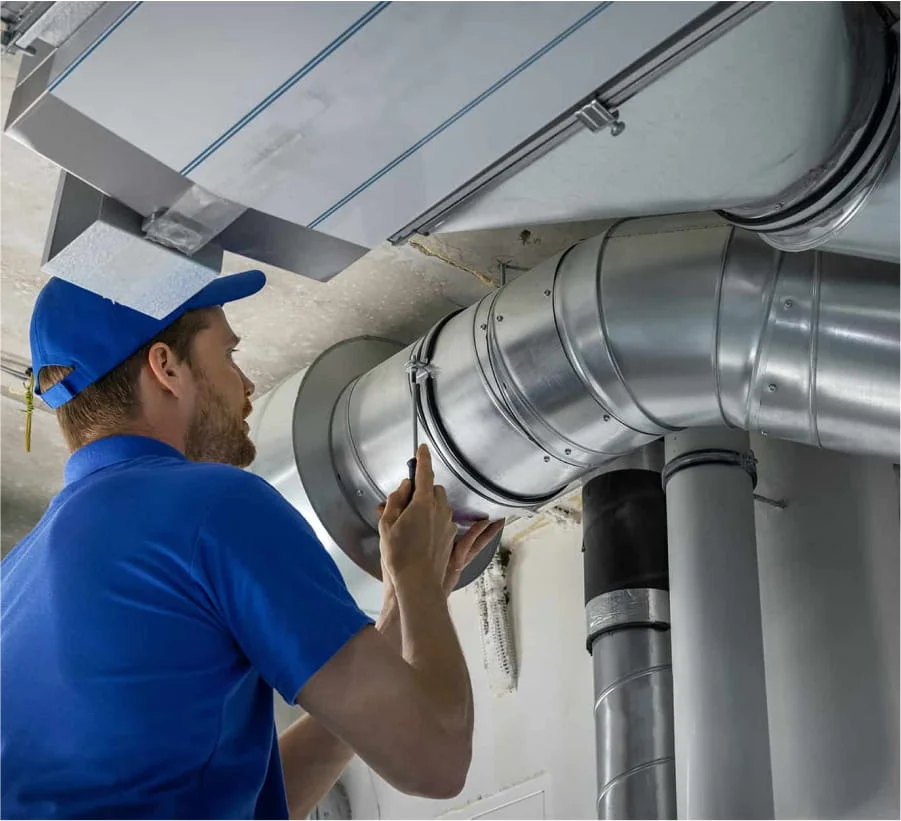
A heating system is only as effective as the ductwork that distributes warm air throughout a building. While furnaces, heat pumps, and HVAC units often receive the most attention, heating ducts play a critical role in maintaining indoor comfort and energy efficiency.
Over time, heating ducts can become damaged, outdated, inefficient, or unable to support modern heating requirements. When repairs are no longer enough, homeowners and businesses may need to replace heating ducts to restore system performance and improve overall comfort.
Replacing old or damaged heating ducts can help reduce energy waste, improve airflow, eliminate temperature inconsistencies, and create a healthier indoor environment. Whether you own a residential property, commercial building, or industrial facility, understanding when and how to replace heating ducts can help you make better decisions about your HVAC system.
This comprehensive guide explains the reasons for replacing heating ducts, warning signs to look for, benefits, replacement process, costs factors, and frequently asked questions.
What Does It Mean to Replace Heating Ducts?
Replacing heating ducts involves removing old, damaged, or inefficient ductwork and installing new duct components designed to distribute heated air effectively throughout a property.
Heating ducts are responsible for transporting warm air from your heating system to different rooms. Over time, ducts may deteriorate due to:
- Age
- Poor installation
- Moisture damage
- Corrosion
- Physical damage
- Poor insulation
- Inefficient design
When duct systems become severely damaged, repairs may only provide temporary solutions. Replacing the heating ducts creates a more reliable and efficient air distribution system.
A complete duct replacement may involve:
- Removing old duct sections
- Installing new ductwork
- Improving insulation
- Sealing connections
- Adjusting airflow design
- Testing system performance
Why Replace Heating Ducts?
Many property owners delay duct replacement because problems are not always visible. However, outdated or damaged heating ducts can significantly affect HVAC performance.
Choosing to replace heating ducts can provide several important benefits, including:
- Improved heating efficiency
- Lower energy costs
- Better indoor comfort
- More consistent airflow
- Improved indoor air quality
- Reduced HVAC strain
A new duct system allows heating equipment to work more effectively and deliver warm air where it is needed.
Signs You Need to Replace Heating Ducts
Knowing when duct replacement is necessary can help prevent ongoing comfort issues and rising energy expenses.
Old or Damaged Ductwork
Heating ducts have a limited lifespan. Older duct systems may develop cracks, leaks, or structural problems that affect performance.
Signs of ageing ductwork include:
- Rust or corrosion
- Visible damage
- Frequent repairs
- Loose sections
- Poor airflow
If your duct system continues to experience problems, replacement may be more cost-effective than repeated repairs.
Frequent Heating Problems
If your heating system struggles to maintain comfortable temperatures, damaged ducts may be the cause.
Common issues include:
- Rooms staying cold
- Uneven heating
- Slow temperature changes
- Poor air distribution
Replacing outdated ductwork can improve airflow and restore system balance.
Increasing Energy Bills
A sudden increase in heating costs may indicate that your duct system is no longer operating efficiently.
Damaged ducts can cause:
- Heat loss
- Air leakage
- Longer heating cycles
- Increased energy consumption
New ductwork helps prevent wasted energy and improves heating efficiency.
Poor Indoor Air Quality
Old ducts can collect dust, debris, and contaminants over time.
Problems may include:
- Excessive dust
- Unpleasant odours
- Increased allergens
- Poor air circulation
Replacing damaged ducts can help create a cleaner indoor environment.
Excessive Duct Repairs
If you frequently repair the same duct problems, replacement may be a better long-term solution.
Repeated repairs can become expensive and may not solve underlying issues.
A new duct system provides:
- Better reliability
- Improved efficiency
- Reduced maintenance needs
Common Reasons for Heating Duct Replacement
Several factors can make duct replacement necessary.
Severe Air Leaks
Small leaks can often be repaired, but extensive leakage may require complete replacement.
Large leaks reduce system efficiency by allowing heated air to escape before reaching living areas.
Poor Original Installation
Some duct systems are inefficient because they were incorrectly designed or installed.
Problems may include:
- Incorrect duct sizing
- Poor airflow design
- Too many bends
- Improper connections
Replacing the system allows professionals to create a more efficient layout.
Damaged Insulation
Insulation protects heated air as it travels through ducts.
When insulation becomes damaged, it can cause:
- Heat loss
- Condensation
- Reduced efficiency
New duct installation often includes improved insulation solutions.
Outdated Materials
Older duct systems may use materials that no longer provide the performance required by modern HVAC systems.
Replacing outdated ductwork can improve:
- Durability
- Energy efficiency
- Airflow performance
Benefits of Replacing Heating Ducts
A new heating duct system provides several advantages for homeowners and businesses.
Improved Energy Efficiency
One of the biggest benefits of duct replacement is improved energy performance.
Old ducts often lose heated air through cracks and gaps. New duct systems are properly sealed and insulated, helping heating systems operate more efficiently.
Benefits include:
- Reduced heat loss
- Lower energy consumption
- Improved system performance
More Consistent Heating
Damaged ductwork often causes uneven temperatures throughout a property.
New heating ducts help distribute warm air more effectively, reducing:
- Cold rooms
- Temperature fluctuations
- Uneven airflow
A properly designed duct system improves overall comfort.
Better Indoor Air Quality
Replacing old ducts can reduce the circulation of dust, debris, and contaminants.
A new duct system helps improve:
- Air cleanliness
- Ventilation quality
- Indoor comfort
This is especially beneficial for households and workplaces concerned about indoor air conditions.
Reduced Maintenance Costs
Older duct systems often require frequent repairs.
Replacing heating ducts reduces the need for ongoing maintenance and provides a more reliable solution.
Increased HVAC Lifespan
Poor duct performance forces heating equipment to work harder.
A new duct system reduces system strain, which can help extend the lifespan of:
- Furnaces
- Heat pumps
- HVAC units
Residential Heating Duct Replacement
Homes rely on efficient duct systems to maintain comfortable indoor temperatures.
Residential duct replacement can solve problems such as:
- Uneven heating
- High energy bills
- Poor airflow
- Excessive dust
Homeowners often consider replacement when:
- The duct system is decades old
- Repairs are becoming frequent
- Renovations require duct redesign
- HVAC upgrades are being completed
A professionally installed duct system improves comfort and long-term efficiency.
Commercial Heating Duct Replacement
Commercial buildings often have complex heating systems that require reliable duct performance.
Businesses may replace heating ducts to improve:
- Workplace comfort
- Energy efficiency
- Air distribution
- HVAC reliability
Commercial duct replacement is common in:
- Offices
- Retail buildings
- Schools
- Warehouses
- Healthcare facilities
- Industrial properties
A properly designed commercial duct system supports better building performance.
The Heating Duct Replacement Process
Understanding the replacement process helps property owners prepare for the project.
Initial Inspection
The first step is a professional assessment of the existing duct system.
Technicians evaluate:
- Duct condition
- Airflow performance
- Insulation quality
- Leakage levels
- System design
This helps determine whether replacement is necessary.
Removal of Old Ductwork
Damaged or outdated ducts are carefully removed.
Professionals ensure the removal process does not damage surrounding structures or HVAC components.
New Duct Design and Installation
New ductwork is installed based on:
- Building layout
- Heating requirements
- Airflow needs
- Energy efficiency goals
Proper sizing and placement are essential for performance.
Sealing and Insulation
New ducts are sealed to prevent air leaks and insulated to maintain air temperature.
This improves efficiency and reduces energy waste.
System Testing
After installation, professionals test:
- Airflow
- Temperature distribution
- System performance
- Connection quality
Testing ensures the new duct system operates correctly.
Factors That Affect Heating Duct Replacement Costs
The cost of replacing heating ducts depends on several factors.
Property Size
Larger properties require more duct materials and labour, increasing overall costs.
Duct System Design
Complex layouts with difficult access may require additional installation work.
Material Selection
Different duct materials have different costs and performance characteristics.
Accessibility
Ducts located in difficult-to-reach areas may require additional labour.
Insulation Requirements
Improved insulation can increase upfront costs but may provide long-term energy savings.
How to Choose a Heating Duct Replacement Professional
Selecting the right contractor is important for achieving reliable results.
Check Experience
Choose professionals experienced in:
- HVAC systems
- Duct design
- Duct installation
- Airflow optimisation
Experienced contractors can recommend the best replacement solution.
Review Quality Standards
A reliable contractor should use quality materials and follow proper installation practices.
Consider:
- Work quality
- Materials used
- Warranty options
- Customer feedback
Request a Detailed Assessment
A professional should inspect your existing system before recommending replacement.
A complete assessment helps avoid unnecessary costs and ensures the correct solution.
Maintaining New Heating Ducts After Replacement
Proper maintenance helps extend the lifespan of your new duct system.
Replace Air Filters Regularly
Clean filters improve airflow and reduce system strain.
Schedule HVAC Inspections
Regular inspections help identify:
- Small leaks
- Airflow issues
- Insulation problems
Keep Vents Clear
Blocked vents reduce airflow and affect heating performance.
Monitor System Performance
Pay attention to:
- Temperature changes
- Unusual noises
- Increased energy costs
Early detection prevents future problems.
Replace Heating Ducts for Better Comfort and Efficiency
Heating ducts are a vital part of any HVAC system. When ductwork becomes old, damaged, or inefficient, replacing it can provide significant improvements in comfort, energy efficiency, and indoor air quality.
Choosing to replace heating ducts allows homeowners and businesses to upgrade their heating systems, reduce energy waste, and create a more comfortable indoor environment.
Whether your property has frequent duct problems, uneven heating, rising energy costs, or outdated ductwork, professional replacement can provide a reliable long-term solution.
A properly designed and installed duct system ensures your heating equipment performs efficiently while delivering consistent warmth throughout your property.
Frequently Asked Questions About Replace Heating Ducts
When should I replace heating ducts?
Heating ducts should be replaced when they are severely damaged, outdated, inefficient, or require frequent repairs.
How long do heating ducts last?
The lifespan of heating ducts depends on materials, installation quality, and maintenance. Many duct systems last several decades with proper care.
Can I replace only damaged sections of heating ducts?
Yes. Partial replacement may be possible when damage is limited. Complete replacement is recommended when the system has widespread problems.
Will replacing heating ducts reduce energy bills?
Yes. New, properly sealed, and insulated ducts can reduce heat loss and improve heating efficiency.
How long does heating duct replacement take?
The timeline depends on property size, duct complexity, and project requirements. Smaller residential projects may take less time than large commercial installations.
Is replacing heating ducts better than repairing them?
Replacement is often better when ducts are severely damaged, outdated, or require frequent repairs. Minor issues may only require repairs.
Can new heating ducts improve indoor air quality?
Yes. Replacing old, contaminated ductwork can reduce dust buildup and improve air circulation.
What materials are used for new heating ducts?
Common duct materials include sheet metal, flexible ducting, and insulated duct systems. The best option depends on the application.
Do new heating ducts improve airflow?
Yes. Properly designed and installed duct systems improve airflow distribution and heating performance.
How do I know if my heating ducts need replacement?
Signs include frequent repairs, high energy bills, uneven heating, poor airflow, visible damage, and poor indoor air quality.