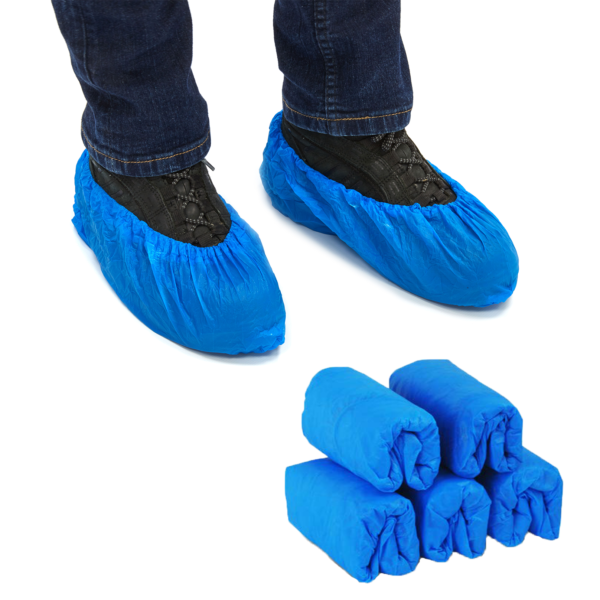
Footwear is an essential part of daily life, whether you are working in a professional environment, visiting a healthcare facility, managing a construction site, or simply trying to keep your indoor spaces clean. However, shoes often carry dust, dirt, moisture, bacteria, and other contaminants from outside environments. This is where shoe protection covers provide a simple and effective solution.
Shoe protection covers are designed to create a protective barrier between footwear and clean surfaces. They help prevent contamination, reduce cleaning efforts, and maintain hygiene standards in different industries and workplaces. From hospitals and laboratories to homes and commercial facilities, these disposable covers offer a convenient way to protect floors while keeping shoes covered.
In this guide, we will explore what shoe protection covers are, their benefits, different types, applications, and how to choose the right option for your needs.
What Are Shoe Protection Covers?
Shoe protection covers are disposable or reusable coverings placed over shoes to prevent dirt, germs, liquids, and other unwanted materials from transferring between footwear and surfaces. They are usually made from lightweight materials such as plastic, polypropylene, or non-woven fabric.
These protective covers are designed to fit different shoe sizes and styles while providing quick and easy protection. Many versions come with elastic openings that keep the cover securely around the shoe, preventing it from slipping during movement.
Shoe protection covers are commonly used in environments where cleanliness and hygiene are important, including:
- Medical facilities and hospitals
- Cleanrooms and laboratories
- Food processing areas
- Manufacturing facilities
- Construction sites
- Offices and commercial buildings
- Homes during cleaning or maintenance work
By using shoe covers, businesses and individuals can reduce the spread of contaminants and maintain cleaner environments.
Why Are Shoe Protection Covers Important?
Shoes come into contact with various surfaces throughout the day. Outdoor areas may contain mud, dust, chemicals, bacteria, and other pollutants that can easily be transferred indoors.
Using shoe protection covers helps control this problem by adding an extra layer of protection. They are especially valuable in industries where hygiene and cleanliness are essential.
Some major reasons why shoe protection covers are important include:
Prevent Dirt and Dust Transfer
One of the main purposes of shoe covers is preventing outdoor dirt from entering clean areas. They help keep floors, carpets, and sensitive surfaces cleaner by stopping dust and debris from spreading.
Improve Workplace Hygiene
Hospitals, laboratories, and food-related industries require strict hygiene standards. Shoe protection covers help reduce contamination risks by limiting the movement of unwanted particles.
Protect Expensive Flooring
Certain floors, carpets, and surfaces can be damaged by dirt, moisture, and chemicals carried on shoes. Protective shoe covers help preserve flooring quality and reduce maintenance costs.
Provide Convenience
Instead of removing shoes repeatedly when entering different areas, users can simply wear shoe covers for quick protection. This saves time and improves convenience.
Types of Shoe Protection Covers
Different environments require different types of protective footwear covers. Choosing the right material and design depends on the level of protection required.
Disposable Plastic Shoe Covers
Disposable plastic shoe covers are among the most commonly used options. They are lightweight, affordable, and suitable for general protection against dust and moisture.
They are often used in:
- Homes
- Clinics
- Offices
- Cleaning services
- Visitor areas
These covers are usually made from polyethylene material and are designed for single use.
Non-Woven Shoe Covers
Non-woven shoe protection covers provide better durability compared to basic plastic options. They are breathable, comfortable, and suitable for environments requiring improved protection.
Common applications include:
- Healthcare facilities
- Laboratories
- Manufacturing areas
- Clean environments
The fabric-like material provides better grip and reduces the chances of tearing.
Waterproof Shoe Covers
Waterproof shoe covers are designed for environments where protection against liquids is required. They help prevent water, spills, and moisture from reaching shoes.
They are useful in:
- Cleaning industries
- Medical environments
- Outdoor activities
- Industrial workplaces
Anti-Slip Shoe Protection Covers
Safety is an important factor when wearing shoe covers. Anti-slip versions include textured soles that provide better traction on smooth surfaces.
They are recommended for areas where slipping hazards may exist.
Benefits of Using Shoe Protection Covers
Businesses and individuals choose shoe protection covers because they offer multiple advantages. These simple protective products improve cleanliness, reduce contamination, and make daily operations easier.
Maintains Clean and Hygienic Environments
The biggest benefit of shoe covers is improved cleanliness. They prevent dirt, dust, and microorganisms from spreading across floors and workspaces.
For industries such as healthcare and food production, maintaining hygiene is essential for safety and compliance.
Reduces Cleaning Requirements
When shoes bring outside contaminants indoors, more time and effort are required for cleaning. Shoe covers reduce the amount of dirt entering a facility, helping reduce cleaning frequency.
Protects Workers and Visitors
In sensitive environments, protecting people from contaminants is important. Shoe covers create an additional barrier that supports workplace safety.
Easy to Use and Remove
Most shoe protection covers are designed for quick application. The elastic opening allows users to wear and remove them within seconds.
This makes them practical for locations with frequent visitors or changing hygiene requirements.
Cost-Effective Protection Solution
Compared to regular cleaning expenses or potential contamination problems, disposable shoe covers are an affordable preventive solution.
They provide simple protection without requiring expensive equipment or complicated procedures.
Common Applications of Shoe Protection Covers
Shoe protection covers are used across many industries because cleanliness and contamination control are important in various environments.
Healthcare and Medical Facilities
Hospitals, clinics, dental offices, and laboratories often use shoe covers to maintain sterile conditions.
Doctors, nurses, visitors, and workers may use protective shoe covers in specific areas to reduce contamination risks.
Food Processing Industry
Food production facilities require strict hygiene practices. Shoe covers help prevent external contaminants from entering food preparation and processing areas.
Cleanrooms and Laboratories
Cleanrooms require controlled environments with minimal particles. Shoe protection covers help reduce the introduction of dust and other contaminants.
Construction and Maintenance Services
Workers visiting homes or commercial buildings may use shoe covers to avoid leaving dirt, mud, or debris behind.
They are especially useful during:
- Renovation projects
- Repair services
- Inspection visits
Residential Use
Many homeowners use shoe covers to keep indoor spaces clean. They are useful when guests, workers, or service providers enter the home.
How to Choose the Right Shoe Protection Covers
Selecting the right shoe covers depends on where and how they will be used. Consider the following factors before purchasing.
Material Quality
The material determines durability, comfort, and protection level. Plastic covers are suitable for basic needs, while non-woven and waterproof options provide stronger protection.
Shoe Size Compatibility
A good shoe cover should fit different shoe sizes without tearing or slipping. Look for options with flexible elastic openings.
Level of Protection
Consider whether you need protection against:
- Dust
- Water
- Chemicals
- Germs
- Heavy contamination
Choose a product that matches your environment.
Grip and Safety Features
For workplaces with smooth floors, anti-slip shoe covers provide additional safety by improving stability.
Disposable or Reusable Options
Disposable covers are convenient for hygiene-focused environments, while reusable options may be suitable for situations where repeated use is practical.
Shoe Protection Covers vs Regular Shoe Covers
Many people use the terms shoe covers and shoe protection covers interchangeably. However, protective shoe covers often focus specifically on preventing contamination and maintaining hygiene.
Regular shoe covers may provide basic coverage, while specialized protection covers can include additional features such as:
- Waterproof layers
- Anti-slip soles
- Stronger materials
- Better durability
The right choice depends on your specific requirements.
Are Shoe Protection Covers Environmentally Friendly?
Environmental concerns are becoming increasingly important when choosing disposable products. Many manufacturers now offer recyclable materials and eco-friendly alternatives.
Businesses can reduce environmental impact by:
- Choosing responsibly produced covers
- Using recyclable materials
- Following proper disposal practices
- Selecting reusable options when appropriate
While disposable covers provide hygiene benefits, responsible usage and disposal are important.
How to Properly Wear Shoe Protection Covers
Using shoe covers correctly ensures maximum protection.
Follow these steps:
- Select the correct size of shoe cover.
- Hold the elastic opening carefully.
- Place the cover over the front of the shoe.
- Pull the cover around the entire footwear.
- Ensure the elastic edge is secure.
- Check that the cover does not restrict movement.
Avoid using damaged or torn covers because they may not provide proper protection.
Why Businesses Should Invest in Quality Shoe Protection Covers
For businesses, maintaining cleanliness is not only about appearance but also about safety and professionalism. High-quality shoe protection covers help create cleaner workplaces and demonstrate commitment to hygiene.
Industries that regularly welcome visitors, clients, or workers can benefit from having shoe covers available at entry points.
A reliable supply of protective shoe covers ensures that employees and visitors can quickly follow hygiene procedures without delays.
Conclusion
Shoe protection covers are a practical solution for preventing dirt, dust, moisture, and contaminants from spreading through different environments. They support hygiene practices in healthcare facilities, laboratories, food industries, workplaces, and homes.
With various options available, including disposable plastic, non-woven, waterproof, and anti-slip covers, users can select products according to their specific needs. Whether you want to protect expensive flooring, maintain workplace cleanliness, or improve hygiene standards, shoe protection covers provide a simple and effective solution.
Choosing high-quality shoe covers ensures better protection, convenience, and safety for both individuals and businesses.
Frequently Asked Questions About Shoe Protection Covers
1. What are shoe protection covers used for?
Shoe protection covers are used to prevent dirt, dust, moisture, and contaminants from transferring from shoes to clean surfaces. They are commonly used in hospitals, laboratories, offices, homes, and industrial workplaces.
2. Are shoe protection covers reusable?
Most shoe protection covers are designed for single use, especially in hygiene-sensitive environments. However, some durable versions can be reused depending on their material and condition.
3. What materials are used to make shoe protection covers?
Shoe covers are commonly made from materials such as polyethylene plastic, polypropylene, and non-woven fabric. The material choice depends on the required level of protection.
4. Can shoe protection covers fit different shoe sizes?
Yes, most shoe protection covers feature elastic openings that allow them to fit various shoe sizes and footwear styles.
5. Where are shoe protection covers commonly used?
They are widely used in healthcare facilities, cleanrooms, laboratories, food processing areas, construction sites, offices, and residential properties to maintain cleanliness and reduce contamination.