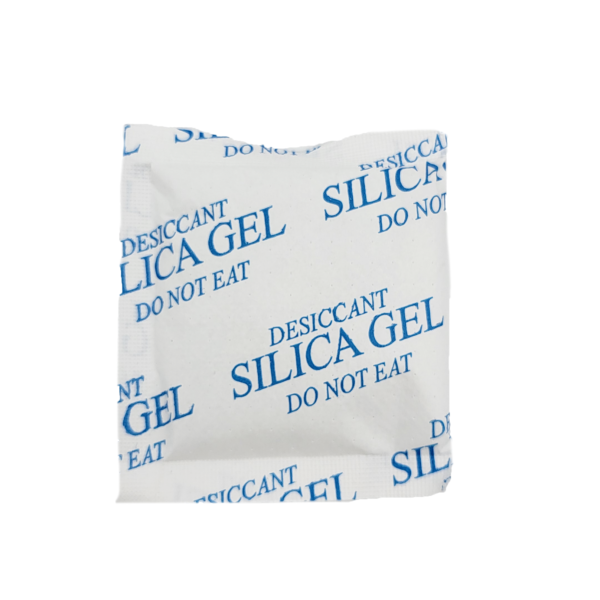
Silica gel desiccant is one of the most widely used moisture-absorbing materials in the world, designed to protect products from humidity, mold, corrosion, and spoilage. It is commonly found in packaging for electronics, pharmaceuticals, food products, leather goods, clothing, and industrial equipment.
Despite its name, silica gel is not actually a gel but a highly porous, granular form of silicon dioxide. Its unique structure allows it to absorb and hold large amounts of moisture from the surrounding environment, making it an essential component in modern packaging and storage solutions.
This comprehensive SEO-optimized guide explains everything about silica gel desiccant, including how it works, types, applications, benefits, safety, and frequently asked questions.
What is silica gel desiccant?
Silica gel desiccant is a drying agent made from silicon dioxide (SiO₂) that removes moisture from the air to keep products dry and stable. It is typically packaged in small sachets or packets and placed inside product packaging.
Key characteristics include:
- Highly porous structure
- Strong moisture absorption capability
- Chemically stable and non-reactive
- Odorless and non-toxic (in most industrial grades)
- Reusable in some conditions
Silica gel works by adsorption, meaning it traps moisture on its surface rather than absorbing it into a liquid form.
How silica gel desiccant works
Silica gel functions through a process called adsorption, where water molecules attach to the surface of the silica beads.
Step-by-step process:
- Moist air enters the packaging
- Water vapor contacts silica gel beads
- Moisture is trapped in microscopic pores
- Humidity level inside packaging decreases
- Product remains dry and protected
genui{“algebra_functions_learning_block”:{“type_id”:”EXPONENTIAL_DECAY”,”content”:”y = e^{-kt}”,”locale_override”:”en-US”}}
This model reflects how moisture levels decrease rapidly over time when silica gel is present.
Types of silica gel desiccant
Different types of silica gel are used depending on the application.
1. White silica gel
Standard form used in general packaging.
Features:
- High absorption capacity
- Non-indicating (no color change)
- Safe for industrial use
2. Blue silica gel (indicator type)
Contains cobalt chloride indicator.
Features:
- Changes color when saturated
- Blue to pink transition
- Used for monitoring moisture levels
3. Orange silica gel
Eco-friendly alternative to blue silica gel.
Features:
- Color changes from orange to green
- Non-toxic indicator
- Safer for environmental use
4. Beaded silica gel
Used in bulk industrial applications.
Features:
- High surface area
- Cost-effective
- Suitable for large-scale moisture control
5. Tyvek or paper-packed silica gel sachets
Common in consumer packaging.
Features:
- Easy integration into product packaging
- Lightweight and breathable packaging
- Used in food and pharmaceuticals
Applications of silica gel desiccant
Silica gel desiccant is used across multiple industries due to its versatility.
Electronics industry
Protects devices like phones, cameras, and circuit boards from moisture damage.
Pharmaceutical industry
Ensures medication stability and prevents degradation.
Food packaging
Keeps snacks, dried foods, and supplements fresh and moisture-free.
Leather and textile industry
Prevents mold, mildew, and odor in leather goods and clothing.
Industrial equipment
Protects machinery parts and tools from rust and corrosion.
Shipping and logistics
Used in containers to control humidity during long-distance transport.
Benefits of silica gel desiccant
Using silica gel desiccant provides several important advantages:
1. Moisture protection
Prevents damage caused by humidity and condensation.
2. Product preservation
Extends shelf life of sensitive products.
3. Mold and mildew prevention
Stops microbial growth in humid environments.
4. Corrosion control
Protects metal components from rust.
5. Cost-effective solution
Inexpensive yet highly efficient moisture control method.
6. Non-reactive and safe
Does not chemically interact with most products.
7. Wide applicability
Used across industries from food to electronics.
How to choose the right silica gel desiccant
Selecting the correct silica gel depends on your application needs.
1. Absorption capacity
Choose based on humidity levels and package size.
2. Indicator type
Use color-changing silica gel for monitoring moisture saturation.
3. Packaging material
Tyvek, paper, or fiber packaging depending on industry requirements.
4. Safety requirements
Food-grade silica gel is required for edible products.
5. Environmental conditions
High-humidity environments require higher absorption capacity.
6. Quantity required
Bulk industrial use requires larger desiccant packs.
Silica gel desiccant vs other desiccants
Silica gel
- High adsorption capacity
- Non-toxic (food-grade versions)
- Reusable after drying
Clay desiccants
- Lower cost
- Lower efficiency than silica gel
- Used in bulk shipping
Molecular sieves
- Extremely high moisture absorption
- Used in industrial and chemical applications
- More expensive
Silica gel remains the most balanced and widely used option.
Safety of silica gel desiccant
Silica gel is generally safe but should be handled properly.
Safety guidelines:
- Do not eat silica gel packets
- Keep away from children
- Avoid inhaling dust particles
- Use food-grade versions for edible products
- Dispose of used sachets properly
Note: “Do not eat” warnings exist mainly due to choking hazard, not toxicity.
Reusing silica gel desiccant
Silica gel can often be reused after drying.
Reuse process:
- Heat in an oven at low temperature
- Remove absorbed moisture
- Restore adsorption capability
- Store in airtight container
This makes silica gel a cost-efficient and sustainable option.
Environmental impact of silica gel desiccant
Silica gel is considered relatively eco-friendly compared to many chemical drying agents.
Environmental considerations:
- Non-toxic material
- Reusable in many cases
- Minimal chemical pollution
- Can be disposed of safely
However, indicator silica gels with cobalt compounds require careful handling.
Market demand for silica gel desiccant
The demand for silica gel desiccant continues to grow due to:
- Expansion of electronics manufacturing
- Growth in e-commerce shipping
- Increased pharmaceutical production
- Rising food packaging industry
- Global supply chain logistics
Moisture control is now a critical part of global packaging systems.
Common mistakes when using silica gel desiccant
Avoid these common errors:
- Using insufficient quantity
- Ignoring humidity levels
- Using non-food-grade silica gel for food products
- Not replacing saturated packets
- Improper storage before use
Correct usage ensures maximum efficiency
Future of silica gel desiccant technology
The future of silica gel desiccant is evolving with innovation:
- Smart humidity indicator packaging
- Eco-friendly cobalt-free indicators
- Higher absorption nano-porous materials
- Recyclable and biodegradable packaging solutions
- Integration with smart packaging sensors
Sustainability and precision moisture control will drive future advancements.
FAQs about silica gel desiccant
What is silica gel desiccant used for?
It is used to absorb moisture and protect products from humidity damage.
Is silica gel desiccant safe?
Yes, most silica gel is non-toxic, but it should not be ingested.
Can silica gel be reused?
Yes, it can be reactivated by heating to remove moisture.
What happens if silica gel gets wet?
It becomes saturated and loses effectiveness until dried again.
Is silica gel edible?
No, it is not edible and should not be consumed.
How long does silica gel last?
It lasts until fully saturated with moisture, depending on environment.
Where is silica gel commonly used?
It is used in electronics, food packaging, pharmaceuticals, and shipping.
Conclusion
Silica gel desiccant is a highly effective moisture control solution used across multiple industries to protect products from humidity, mold, corrosion, and degradation. Its versatility, affordability, and efficiency make it an essential component in modern packaging systems.
As industries continue to expand globally, the demand for advanced moisture control solutions like silica gel desiccants will continue to grow. With ongoing innovations in eco-friendly materials and smart packaging, silica gel remains a cornerstone of product protection and preservation technology.