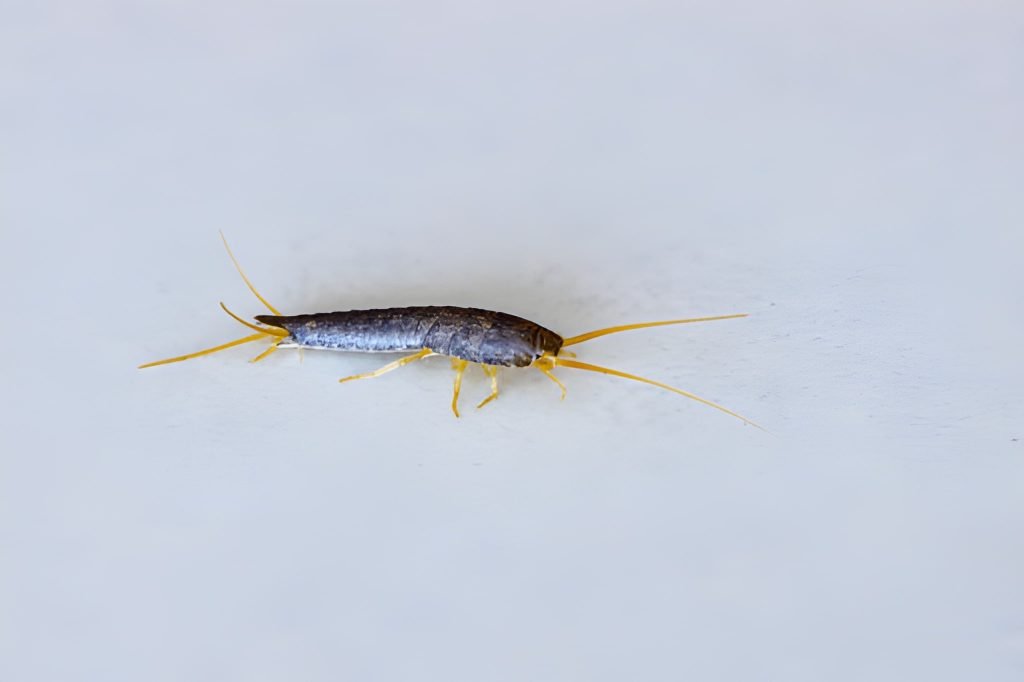
Finding silverfish inside your home or business can be frustrating. These small, fast-moving insects may look harmless, but they can cause damage to valuable belongings and become a persistent pest problem if not properly managed. Silverfish are commonly found in dark, damp, and hidden areas where they can survive for long periods without being noticed.
For homeowners and businesses dealing with an infestation, professional Silverfish Control Sydney services provide an effective solution to identify, remove, and prevent silverfish problems. While DIY methods may help with small numbers of insects, established infestations often require professional treatment to target hiding areas and prevent future activity.
Silverfish are attracted to moisture, warmth, and food sources such as paper, glue, fabrics, and starch-based materials. They can damage books, wallpaper, clothing, and stored documents, making early control important.
This comprehensive guide explains what silverfish are, why they appear, signs of infestation, treatment options, prevention methods, and frequently asked questions about silverfish control in Sydney.
What Are Silverfish?
Silverfish are small, wingless insects known for their silver-grey colour and fish-like movements. They belong to a group of insects called Zygentoma and are commonly found in homes, offices, libraries, storage areas, and commercial properties.
Silverfish are usually:
- Around 12 to 19 millimetres long
- Silver or grey in colour
- Covered with small scales
- Fast-moving, especially at night
- Attracted to dark and humid environments
They are mostly active during the night, which means many people do not notice them until the population has increased.
Why Silverfish Are a Problem
Although silverfish do not bite humans or spread major diseases, they can still create problems for homes and businesses.
Damage to Household Items
Silverfish feed on materials containing starch, cellulose, and carbohydrates.
They may damage:
- Books
- Documents
- Wallpaper
- Photographs
- Clothing
- Cardboard boxes
- Stored fabrics
Over time, an infestation can cause noticeable damage to valuable belongings.
Difficult to Detect
Silverfish are excellent at hiding in small cracks and dark areas.
Common hiding places include:
- Wall gaps
- Bathrooms
- Basements
- Storage areas
- Behind furniture
- Roof spaces
Because they are active at night, infestations may continue unnoticed for months.
Rapid Population Growth
Silverfish reproduce gradually, but their ability to hide makes infestations difficult to eliminate without proper treatment.
A small number of silverfish can become a larger problem when suitable conditions are available.
Common Causes of Silverfish Infestations in Sydney
Understanding why silverfish enter properties can help prevent future problems.
High Humidity Levels
Sydney’s climate can create conditions that attract silverfish, especially during humid periods.
Silverfish prefer environments with:
- High moisture levels
- Poor ventilation
- Damp areas
Bathrooms, kitchens, laundries, and storage spaces are common problem areas.
Excess Moisture Problems
Leaks, condensation, and water damage can create ideal conditions for silverfish.
Common moisture sources include:
- Leaking pipes
- Damp walls
- Poor drainage
- Wet storage areas
Reducing moisture is one of the most effective prevention methods.
Food Sources
Silverfish are attracted to materials containing starch and carbohydrates.
Possible food sources include:
- Paper products
- Glue
- Books
- Food packaging
- Fabrics
Poor storage practices can increase the risk of infestation.
Cracks and Entry Points
Silverfish can enter properties through very small openings.
Common entry points include:
- Wall cracks
- Gaps around pipes
- Door gaps
- Window openings
Sealing these areas helps reduce access.
Signs You Need Silverfish Control Sydney Services
Recognising early signs can help prevent larger infestations.
Seeing Live Silverfish
The most obvious sign is finding silverfish around your property.
They are commonly seen:
- At night
- Near bathrooms
- Around storage areas
- Under sinks
- Behind furniture
Frequent sightings usually indicate an active infestation.
Damage to Books or Paper
Silverfish often leave signs of feeding damage.
Look for:
- Small holes in paper
- Damaged book covers
- Yellow marks
- Irregular edges
Damaged Clothing and Fabrics
Silverfish may feed on fabrics, especially materials containing natural fibres or starch residues.
Signs include:
- Small holes
- Fabric damage
- Missing fibres
Silverfish Droppings
Silverfish leave small droppings that may appear as tiny dark marks.
These may be found near:
- Storage areas
- Bookshelves
- Hidden corners
Shed Skins
As silverfish grow, they shed their outer skin.
Finding shed skins can indicate ongoing activity.
Professional Silverfish Control Sydney Process
Professional pest control services use targeted methods to remove silverfish and prevent future infestations.
Property Inspection
The first step is a detailed inspection of the property.
A pest control professional identifies:
- Infestation areas
- Entry points
- Moisture problems
- Hiding locations
This allows for a more effective treatment plan.
Identifying the Source
Simply removing visible insects is not enough. Professionals identify the conditions attracting silverfish.
Common sources include:
- Excess humidity
- Water leaks
- Poor ventilation
- Hidden nesting areas
Addressing these issues improves long-term results.
Targeted Treatment Application
Professional treatments are designed to reach silverfish hiding areas.
Treatment methods may include:
- Residual insecticides
- Crack and crevice treatments
- Dust applications
- Monitoring solutions
The method used depends on the property and infestation level.
Follow-Up Recommendations
After treatment, professionals may provide advice on preventing future activity.
Recommendations may include:
- Reducing moisture
- Improving storage
- Sealing gaps
- Maintaining ventilation
Benefits of Professional Silverfish Control
Hiring professionals provides several advantages compared with basic DIY methods.
Effective Infestation Removal
Professional treatments target silverfish hiding areas rather than only visible insects.
Long-Term Prevention
Experts identify conditions that encourage silverfish activity and provide prevention strategies.
Saves Time and Effort
DIY methods often require repeated attempts. Professional services provide a structured approach.
Protects Valuable Belongings
Effective control helps protect:
- Books
- Documents
- Clothing
- Stored items
Safer Treatment Approach
Professional pest controllers understand how to apply treatments correctly and safely.
DIY Silverfish Prevention Tips
While professional treatment is recommended for infestations, homeowners can take steps to reduce silverfish activity.
Reduce Indoor Humidity
Silverfish thrive in damp environments.
Helpful methods include:
- Using ventilation fans
- Fixing leaks
- Improving airflow
- Using dehumidifiers
Store Paper Products Properly
Avoid leaving paper items exposed.
Store:
- Books
- Documents
- Photos
in dry and protected areas.
Seal Cracks and Gaps
Inspect your property for possible entry points.
Seal:
- Wall cracks
- Window gaps
- Door spaces
- Pipe openings
Keep Storage Areas Clean
Reduce clutter in:
- Garages
- Closets
- Basements
- Storage rooms
Clean storage areas make it easier to detect pest activity.
Remove Food Sources
Store food products in sealed containers and avoid leaving packaging exposed.
Silverfish Control for Homes and Businesses
Silverfish can affect both residential and commercial properties.
Residential Silverfish Control
Homes commonly experience silverfish problems in:
- Bathrooms
- Kitchens
- Bedrooms
- Storage areas
Professional control helps protect personal belongings and maintain a healthy living environment.
Commercial Silverfish Control
Businesses may require silverfish management to protect:
- Documents
- Inventory
- Customer areas
- Stored materials
Industries such as offices, libraries, hotels, and warehouses can benefit from professional pest solutions.
How to Choose a Silverfish Control Service in Sydney
Choosing the right pest control provider is important for effective results.
Consider the following factors:
Experience and Expertise
Choose a company with experience handling silverfish infestations and local pest challenges.
Safe Treatment Methods
A professional service should use appropriate products and explain treatment procedures clearly.
Comprehensive Inspection
A good pest control provider should inspect the property before recommending treatment.
Customer Reviews and Reputation
Positive customer feedback can help identify reliable service providers.
Transparent Pricing
Choose a company that provides clear information about:
- Treatment options
- Costs
- Follow-up services
Common Mistakes When Dealing With Silverfish
Avoiding common mistakes improves pest control success.
Ignoring Early Signs
A small infestation can become more difficult to manage if ignored.
Only Treating Visible Silverfish
Visible insects are often only a small part of the problem.
Creating Moist Conditions
Leaving moisture problems unresolved encourages continued activity.
Using Incorrect Products
Some DIY products may not reach hidden silverfish populations.
FAQs About Silverfish Control Sydney
1. What attracts silverfish to Sydney homes?
Silverfish are attracted to moisture, humidity, darkness, and food sources such as paper, glue, fabrics, and cardboard.
2. Are silverfish dangerous to humans?
Silverfish do not bite humans and are not considered dangerous, but they can damage belongings and become a nuisance.
3. How can I get rid of silverfish permanently?
Permanent control usually requires professional treatment combined with moisture reduction, sealing entry points, and improving storage conditions.
4. Where do silverfish hide during the day?
Silverfish usually hide in dark, quiet areas such as cracks, cupboards, bathrooms, storage rooms, and behind furniture.
5. How long does silverfish treatment take?
Treatment time depends on the size of the infestation and property conditions. Professional inspections help determine the best approach.
6. Can humidity attract silverfish?
Yes. High humidity and damp conditions are among the biggest factors that attract silverfish.
7. Do silverfish damage clothing and books?
Yes. Silverfish can damage clothing, books, documents, wallpaper, and other items containing starch or cellulose.
Conclusion
Silverfish may be small insects, but they can create significant problems when they establish themselves inside homes and businesses. Their ability to hide, reproduce, and damage valuable items makes early action important.
Professional Silverfish Control Sydney services provide an effective way to identify infestations, remove silverfish, and prevent future activity. By combining professional treatment with moisture control, proper storage, and regular maintenance, property owners can maintain a cleaner and more protected environment.
Whether you are dealing with occasional sightings or a larger infestation, addressing silverfish problems quickly can help protect your property and belongings for the long term.