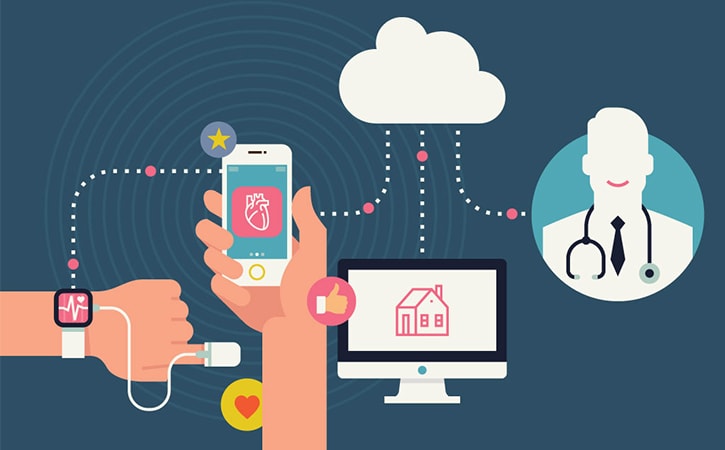
Imagine walking into a hospital where patient vitals are monitored in real time, doctors receive instant alerts before emergencies happen, medical equipment is tracked automatically, and administrative tasks take minutes instead of hours. This is no longer a vision of the future — it is the reality of smart healthcare systems today.
Hospitals around the world are under growing pressure. Rising patient numbers, staff shortages, increasing operational costs, and the demand for better healthcare experiences are forcing healthcare providers to rethink traditional systems.
According to recent healthcare industry reports:
- The global smart healthcare market is expected to surpass $500 billion by 2030
- Nearly 80% of healthcare organizations are investing in connected technologies
- Hospitals using smart monitoring systems have reported up to 30% improvement in operational efficiency
- Remote patient monitoring can reduce hospital readmission rates by almost 38%
These numbers highlight a major shift in modern healthcare.
Smart healthcare systems are helping hospitals improve efficiency, reduce human error, streamline workflows, and provide faster, more personalized patient care. Technologies like connected devices, artificial intelligence, cloud computing, and real-time monitoring are transforming how hospitals operate every day.
In this blog, we will explore how smart healthcare systems are improving hospital efficiency, the technologies driving this transformation, the benefits for patients and healthcare providers, and what the future may look like for connected healthcare ecosystems.
What Are Smart Healthcare Systems?
Smart healthcare systems use advanced digital technologies to improve healthcare operations, patient care, communication, and decision-making.
These systems combine:
- Internet-connected medical devices
- Real-time patient monitoring
- Cloud-based healthcare platforms
- Artificial intelligence
- Electronic health records
- Automated hospital workflows
The goal is simple: create a healthcare environment where systems, devices, doctors, nurses, and patients can communicate more effectively.
Instead of relying heavily on manual processes, hospitals can use technology to automate repetitive tasks and improve overall efficiency.
Why Hospitals Need Smarter Systems
Traditional hospital systems often face several challenges:
- Long patient waiting times
- Manual paperwork
- Communication gaps between departments
- Equipment mismanagement
- High operational costs
- Delayed diagnosis and treatment
These problems not only affect hospital efficiency but also impact patient satisfaction and healthcare outcomes.
Smart healthcare systems help solve these issues by creating connected environments where information flows seamlessly across the organization.
Real-Time Patient Monitoring Is Improving Response Times
One of the biggest advancements in smart healthcare is real-time patient monitoring.
Connected devices can continuously track:
- Heart rate
- Blood pressure
- Oxygen levels
- Glucose levels
- Temperature
- Respiratory activity
This information is instantly shared with healthcare professionals.
Why This Matters
In traditional setups, nurses often check patient vitals manually at scheduled intervals. Problems can sometimes go unnoticed between those checks.
With smart monitoring systems:
- Doctors receive alerts immediately
- Emergencies can be identified faster
- Patients receive quicker treatment
- Critical conditions can be prevented
This not only improves patient safety but also reduces the workload for healthcare staff
Automation Is Reducing Administrative Burden
Hospitals generate enormous amounts of paperwork every day.
Administrative tasks often include:
- Patient registration
- Appointment scheduling
- Billing
- Insurance verification
- Prescription management
- Medical record updates
Manual processes consume valuable time and increase the risk of human error.
Smart healthcare systems automate many of these activities.
Benefits of Automation
- Faster patient check-ins
- Reduced paperwork
- Improved billing accuracy
- Better appointment management
- More time for patient care
By reducing repetitive administrative work, healthcare professionals can focus more on treating patients rather than managing paperwork.
Smart Asset Tracking Is Improving Equipment Management
Large hospitals use thousands of medical devices and equipment every day.
Common challenges include:
- Misplaced equipment
- Delayed access to devices
- Inventory mismanagement
- Equipment downtime
Smart asset tracking systems use connected sensors and RFID technology to monitor medical equipment in real time.
Examples of Trackable Assets
- Wheelchairs
- Ventilators
- Infusion pumps
- Portable monitors
- Surgical tools
Hospitals can instantly locate equipment, reduce delays, and improve resource utilization.
This leads to:
- Faster patient treatment
- Lower operational costs
- Better inventory control
Artificial Intelligence Is Supporting Faster Decision-Making
Artificial intelligence is becoming a powerful tool in healthcare.
AI systems can analyze large amounts of medical data quickly and assist healthcare professionals with:
- Early disease detection
- Risk prediction
- Diagnostic support
- Treatment recommendations
Example
AI-powered imaging systems can help identify abnormalities in X-rays or MRIs faster than traditional review processes.
This helps doctors:
- Make quicker decisions
- Improve diagnosis accuracy
- Reduce treatment delays
AI does not replace doctors. Instead, it acts as a support tool that improves efficiency and reduces workload.
Electronic Health Records Are Improving Coordination
Electronic Health Records (EHRs) have transformed how patient information is stored and shared.
Instead of maintaining paper files, hospitals can access patient records digitally.
Benefits of EHR Systems
- Faster access to patient information
- Better communication between departments
- Reduced duplication of tests
- Improved treatment coordination
- Lower paperwork burden
For example, a patient visiting multiple specialists can have their complete medical history shared instantly across departments.
This improves continuity of care and helps doctors make better-informed decisions.
Telemedicine Is Expanding Hospital Reach
Telemedicine has become one of the most important parts of modern healthcare systems.
Patients can now consult healthcare providers remotely using:
- Video calls
- Mobile apps
- Chat systems
- Remote monitoring devices
Benefits for Hospitals
- Reduced patient crowding
- Better appointment management
- Increased accessibility
- Lower operational pressure
Benefits for Patients
- Reduced travel time
- Faster consultations
- Better access to specialists
- Convenient healthcare access
Telemedicine also helps hospitals extend services to rural and underserved communities.
Predictive Maintenance Is Preventing Equipment Failures
Medical equipment failures can create serious risks in hospitals.
Smart healthcare systems now use predictive maintenance technologies.
Connected sensors monitor equipment performance continuously and detect early signs of malfunction.
Benefits of Predictive Maintenance
- Reduced equipment downtime
- Lower repair costs
- Improved patient safety
- Extended equipment lifespan
Instead of waiting for devices to fail, hospitals can address issues proactively.
Smart Healthcare Improves Patient Experience
Hospital efficiency is not only about operations. It also affects patient satisfaction.
Patients today expect:
- Faster services
- Better communication
- Shorter waiting times
- Personalized experiences
Smart systems help hospitals deliver more patient-centered care.
Examples
- Digital appointment reminders
- Online health portals
- Real-time treatment updates
- Mobile access to medical records
- Automated prescription notifications
When healthcare processes become smoother, patients feel more supported and informed throughout their healthcare journey.
Challenges Hospitals Face During Digital Transformation
Despite the benefits, implementing smart healthcare systems comes with challenges.
High Initial Costs
Advanced healthcare technologies often require significant upfront investment.
Data Security Concerns
Healthcare data is highly sensitive and must be protected from cyber threats.
Staff Training Requirements
Healthcare professionals need proper training to use new systems effectively.
System Integration Issues
Older hospital systems may not easily connect with modern technologies.
Regulatory Compliance
Hospitals must follow strict healthcare regulations and privacy laws.
Although these challenges exist, the long-term benefits of smart healthcare systems often outweigh the difficulties.
The Role of Cloud Computing in Smart Healthcare
Cloud technology plays a major role in modern healthcare infrastructure.
Cloud-based systems allow hospitals to:
- Store large amounts of patient data securely
- Access information remotely
- Improve collaboration between departments
- Scale systems efficiently
Cloud platforms also support:
- Faster software updates
- Better disaster recovery
- Reduced infrastructure costs
As healthcare data continues growing, cloud computing will remain essential for smart healthcare ecosystems.
The Future of Smart Healthcare Systems
The future of healthcare will become even more connected and intelligent.
Several emerging technologies are expected to shape the next generation of hospital systems.
5G Connectivity
Faster internet speeds will improve:
- Real-time monitoring
- Telemedicine quality
- Connected device performance
Robotics in Healthcare
Robots may assist with:
- Surgeries
- Medication delivery
- Patient assistance
- Hospital sanitation
Advanced Wearable Devices
Future wearables may monitor more complex health conditions continuously.
AI-Powered Personalized Medicine
Healthcare systems may provide highly personalized treatment recommendations using patient data analysis.
Important Figures and Statistics
Here are some key figures showing the rise of smart healthcare systems worldwide:
| Statistic | Figure |
|---|---|
| Global smart healthcare market by 2030 | $500+ billion |
| Healthcare organizations investing in digital systems | 80%+ |
| Improvement in hospital operational efficiency | Up to 30% |
| Reduction in hospital readmissions through remote monitoring | Up to 38% |
| Hospitals adopting AI technologies globally | Over 60% |
These numbers clearly show that connected healthcare technologies are becoming a central part of modern hospital operations.
Why User-Friendly Technology Matters in Healthcare
Healthcare systems must be easy to use for both patients and healthcare staff.
Complicated systems can create frustration, delays, and errors.
Features of User-Friendly Healthcare Systems
- Simple interfaces
- Fast access to information
- Mobile compatibility
- Secure login systems
- Clear communication tools
- Easy appointment scheduling
The more user-friendly the system, the more efficiently hospitals can operate.
Conclusion
Smart healthcare systems are transforming hospital efficiency in ways that were once impossible to imagine. From real-time patient monitoring and AI-powered decision-making to automated workflows and connected medical devices, hospitals are becoming faster, smarter, and more patient-focused.
These technologies are helping healthcare providers reduce operational pressure, improve communication, streamline resource management, and deliver better care experiences. At the same time, patients benefit from quicker services, improved accessibility, and more personalised healthcare journeys.
While challenges such as cybersecurity, implementation costs, and system integration still exist, the future of connected healthcare remains highly promising. As hospitals continue adopting advanced digital solutions, smart healthcare systems will play an even greater role in shaping modern medical infrastructure.
Understanding the long-term benefits of iot in healthcare will be essential for healthcare organisations looking to build more efficient, scalable, and patient-centred hospital environments in the years ahead.