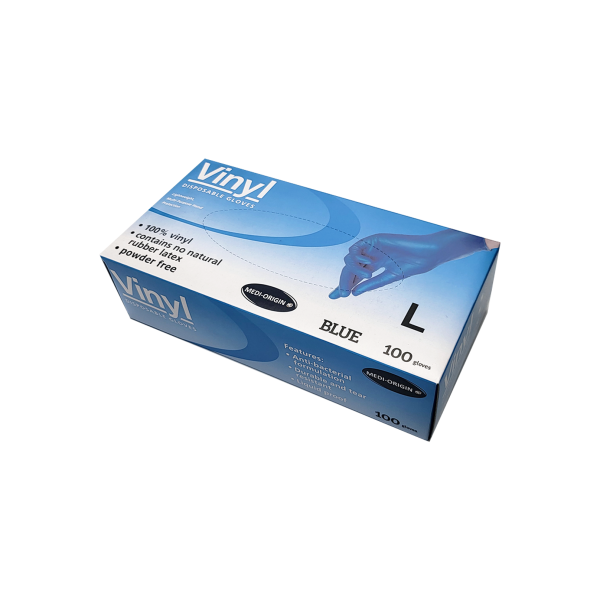
Disposable gloves are an important part of hygiene, safety, and contamination control across many industries. Among the different types of disposable gloves available today, Vinyl Gloves are a popular choice for businesses that need affordable, comfortable, and practical hand protection for everyday tasks.
Made from polyvinyl chloride (PVC), vinyl gloves provide a reliable barrier between hands and external substances. They are widely used in food service, healthcare support, cleaning, beauty, retail, and general workplace environments where frequent glove changes are required.
Businesses often choose vinyl gloves because they are cost-effective, latex-free, easy to wear, and available in large quantities. Their affordability makes them especially useful for industries where gloves are used regularly throughout the day.
This complete guide explains what vinyl gloves are, their benefits, common uses, differences from other glove types, how to choose the right option, and frequently asked questions to help you make an informed decision.
What Are Vinyl Gloves?
Vinyl gloves are disposable protective gloves made from PVC material. They are designed to provide a basic protective layer between hands and different substances during everyday tasks.
Unlike latex gloves, vinyl gloves do not contain natural rubber latex, making them a suitable option for workplaces where latex-free products are preferred.
Vinyl gloves are commonly used for:
- Food preparation
- Cleaning activities
- Beauty treatments
- Personal care services
- Retail operations
- General handling tasks
They are designed for short-term use and should be replaced regularly to maintain hygiene and protection.
How Are Vinyl Gloves Made?
Vinyl gloves are manufactured using polyvinyl chloride, a synthetic plastic material known for its flexibility and durability.
During production, PVC materials are combined with plasticisers to create a softer and more comfortable glove structure. The material is then formed into glove shapes and processed for use in different industries.
The manufacturing process focuses on creating gloves that are:
- Lightweight
- Flexible
- Comfortable
- Cost-effective
- Easy to wear
Vinyl gloves are available in different sizes and thicknesses depending on their intended application.
Key Features of Vinyl Gloves
Understanding the main features of vinyl gloves helps businesses select the right protective solution.
Latex-Free Material
One of the major advantages of vinyl gloves is that they are made without natural rubber latex.
This makes them suitable for workplaces that prefer latex-free alternatives.
Affordable Pricing
Vinyl gloves are among the most cost-effective disposable glove options available.
Their lower price makes them ideal for industries that require frequent glove replacement.
Comfortable Fit
Vinyl gloves provide a comfortable fit for many routine tasks. Their loose-fitting design allows easy hand movement and quick removal.
Disposable Convenience
Vinyl gloves are designed for single use, making them practical for maintaining hygiene standards.
Users can replace gloves regularly to reduce contamination risks.
Powder-Free Options
Many vinyl gloves are available in powder-free versions, helping reduce residue and making them suitable for sensitive environments.
Available in Multiple Sizes
Vinyl gloves are commonly available in:
- Small
- Medium
- Large
- Extra Large
Choosing the correct size improves comfort and reduces tearing.
Benefits of Using Vinyl Gloves
Vinyl gloves provide several advantages for businesses and individuals who need reliable disposable hand protection.
Cost-Effective Hand Protection
The affordability of vinyl gloves makes them a practical choice for businesses that use large quantities of disposable gloves.
Industries that require frequent glove changes can benefit from their lower cost.
Latex-Free Alternative
For workplaces looking for latex-free options, vinyl gloves provide a suitable alternative to traditional latex gloves.
Easy to Put On and Remove
Vinyl gloves have a smooth surface and flexible design, making them quick and simple to wear and remove.
This is useful in environments where employees change gloves frequently.
Supports Hygiene Practices
Disposable vinyl gloves help support cleanliness by reducing direct hand contact with food, surfaces, and materials.
Suitable for Low-Risk Tasks
Vinyl gloves are ideal for applications where basic protection is required without demanding levels of chemical resistance or heavy-duty durability.
Common Uses of Vinyl Gloves
Vinyl gloves are used across many industries because of their affordability and convenience.
Food Industry Applications
Restaurants, cafes, catering companies, and food preparation businesses commonly use vinyl gloves.
They are used for:
- Handling ingredients
- Preparing food
- Serving tasks
- Cleaning surfaces
Their affordable price makes them practical for frequent replacement.
Cleaning and Janitorial Services
Cleaning professionals use vinyl gloves to protect hands during routine cleaning tasks.
Common applications include:
- Surface cleaning
- Waste handling
- General maintenance
- Household cleaning
Beauty and Personal Care
Beauty professionals use vinyl gloves during various services where hygiene and cleanliness are important.
Applications include:
- Hair colouring
- Nail services
- Beauty treatments
- Cosmetic procedures
Retail and General Business Use
Retail businesses may use vinyl gloves for handling products, cleaning tasks, and maintaining hygiene standards.
Healthcare Support Tasks
Vinyl gloves can be used in some healthcare support activities where basic protection is needed.
However, healthcare professionals should select gloves based on specific medical requirements.
Vinyl Gloves vs Other Disposable Gloves
Different glove materials offer different advantages. Understanding the differences helps businesses choose the right product.
Vinyl Gloves vs Nitrile Gloves
Nitrile gloves are known for their strength, durability, and resistance to many chemicals.
Vinyl gloves are generally:
- More affordable
- Suitable for short-term tasks
- Comfortable for frequent changes
Nitrile gloves are often preferred for tasks requiring higher durability.
Vinyl Gloves vs Latex Gloves
Latex gloves provide excellent flexibility and a close fit.
However, vinyl gloves offer:
- Latex-free material
- Lower cost
- Easy availability
Vinyl gloves are often selected when affordability and latex-free protection are priorities.
Vinyl Gloves vs Polyethylene Gloves
Polyethylene gloves are lightweight and inexpensive but usually provide a looser fit.
Vinyl gloves generally offer better comfort and coverage for routine tasks.
Choosing the Right Vinyl Gloves
Selecting the right vinyl gloves depends on your workplace needs and intended use.
Consider Your Application
Different tasks require different levels of protection.
For example:
- Food handling may require food-safe gloves
- Cleaning may require stronger protection
- Beauty services may require comfortable disposable gloves
Select the Correct Size
A proper fit improves comfort and reduces the risk of tearing.
Gloves that are too small may stretch excessively, while oversized gloves may reduce control.
Choose the Right Thickness
Vinyl gloves are available in different thickness levels.
Thicker gloves may provide better durability, while thinner gloves offer more flexibility for light tasks.
Consider Powder-Free Options
Powder-free vinyl gloves are often preferred because they reduce residue and are suitable for many professional environments.
How to Properly Use Vinyl Gloves
Correct usage helps maintain hygiene and maximise glove performance.
Follow these steps:
- Wash and dry hands before wearing gloves.
- Select the correct glove size.
- Check gloves for damage before use.
- Replace gloves when contaminated or damaged.
- Remove gloves carefully to avoid touching contaminated surfaces.
- Dispose of used gloves properly.
Disposable gloves should not replace proper hand hygiene practices.
How Businesses Can Benefit From Buying Vinyl Gloves in Bulk
Many businesses purchase vinyl gloves in larger quantities because it improves efficiency and reduces costs.
Benefits include:
Lower Cost Per Pair
Bulk purchasing usually reduces the price per glove.
Better Stock Availability
Businesses can maintain enough supply for daily operations.
Reduced Ordering Frequency
Larger orders mean fewer purchasing tasks and improved inventory management.
Consistent Product Supply
Working with reliable suppliers ensures businesses receive consistent glove quality.
Industries That Commonly Buy Vinyl Gloves Wholesale
Many industries depend on bulk vinyl glove supplies.
Common users include:
- Restaurants
- Catering companies
- Cleaning businesses
- Beauty salons
- Retail stores
- Healthcare facilities
- Hospitality businesses
How to Store Vinyl Gloves Properly
Proper storage helps maintain glove quality before use.
Recommended storage practices include:
- Store in a cool, dry place
- Keep away from direct sunlight
- Avoid exposure to chemicals
- Keep packaging sealed
- Protect boxes from moisture
Correct storage helps prevent damage and extends product usability.
Common Mistakes When Using Vinyl Gloves
Businesses sometimes make mistakes that reduce glove effectiveness.
Using the Wrong Glove Type
Vinyl gloves are suitable for many general tasks but may not be appropriate for high-risk applications.
Reusing Disposable Gloves
Disposable gloves should be replaced after use to maintain hygiene.
Choosing the Wrong Size
Poor-fitting gloves can reduce comfort and increase the chance of tearing.
Ignoring Proper Disposal
Used gloves should be disposed of correctly to maintain cleanliness.
Why Quality Matters When Buying Vinyl Gloves
Although vinyl gloves are affordable, quality remains important.
Low-quality gloves may:
- Tear easily
- Fit poorly
- Create unnecessary waste
- Reduce workplace efficiency
Choosing reliable products ensures better comfort and performance.
Frequently Asked Questions About Vinyl Gloves
What are vinyl gloves used for?
Vinyl gloves are used for food handling, cleaning, beauty services, retail tasks, and other low-risk applications where disposable hand protection is needed.
Are vinyl gloves latex-free?
Yes, vinyl gloves are made from PVC material and do not contain natural rubber latex.
Are vinyl gloves safe for food handling?
Yes, many vinyl gloves are designed for food handling applications. Businesses should choose products suitable for food-related use.
Are vinyl gloves reusable?
No. Vinyl gloves are designed for single use and should be replaced after each task or when contaminated.
Are vinyl gloves better than nitrile gloves?
Vinyl and nitrile gloves serve different purposes. Vinyl gloves are affordable and suitable for general tasks, while nitrile gloves provide greater durability.
Do vinyl gloves protect against chemicals?
Vinyl gloves provide limited protection and may not be suitable for handling strong chemicals. Always choose gloves based on the specific application.
What sizes do vinyl gloves come in?
Vinyl gloves are usually available in small, medium, large, and extra-large sizes.
Can people with latex allergies use vinyl gloves?
Yes, vinyl gloves are a common latex-free alternative.
How should vinyl gloves be stored?
Store vinyl gloves in a cool, dry place away from sunlight, moisture, and chemicals.
Where can businesses buy vinyl gloves?
Businesses can purchase vinyl gloves from professional suppliers that provide quality products and bulk ordering options.
Final Thoughts
Vinyl Gloves are a practical and affordable solution for businesses and individuals who need disposable hand protection for everyday tasks. Their latex-free material, comfortable design, and cost-effective pricing make them popular across food service, cleaning, beauty, healthcare support, and retail industries.
While vinyl gloves are not designed for every high-risk application, they provide reliable protection for many routine activities. Choosing the right size, quality, and supplier ensures better performance and workplace hygiene.
For businesses that require regular glove supplies, investing in high-quality vinyl gloves helps maintain cleanliness, improve efficiency, and support safer working environments.