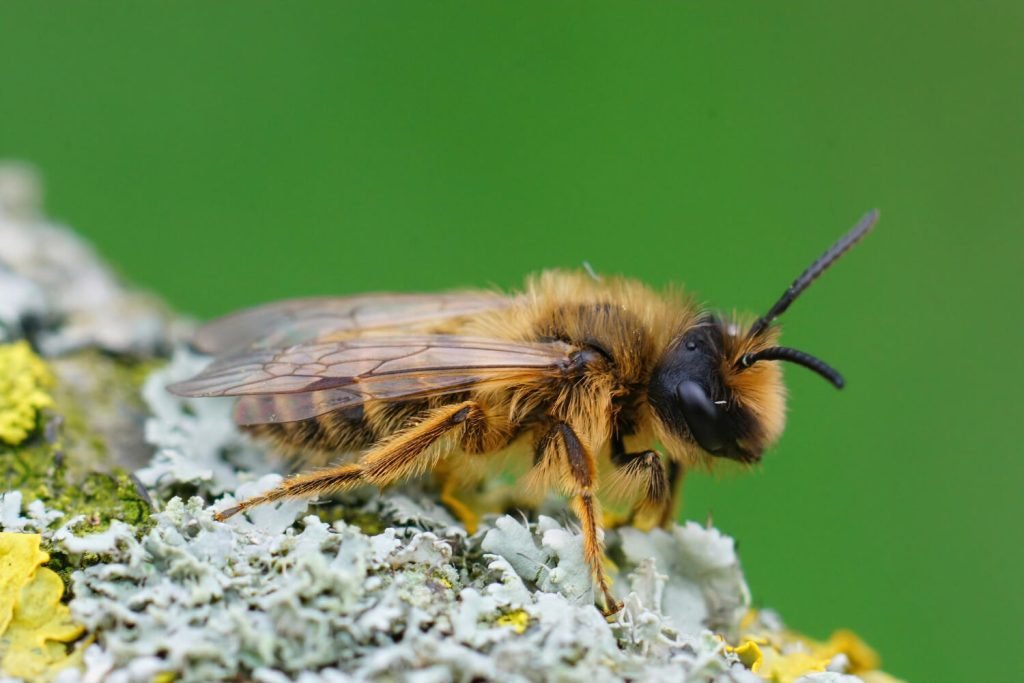
Wasps can become a serious problem for homes, businesses, and outdoor spaces across Sydney. While some wasp species play an important role in controlling other insects, they can become aggressive when they feel threatened, especially when their nests are located near people. Effective Wasp Control Sydney services help safely remove wasp nests, reduce risks of stings, and prevent future infestations.
Unlike many common household pests, wasps are active, defensive insects that can attack when their colony is disturbed. A small nest hidden near a roof, garden area, wall cavity, or outdoor structure can quickly become a safety concern for families, customers, and employees.
This complete guide explains why wasps appear, how to identify an infestation, the dangers of wasp nests, professional removal methods, prevention strategies, and why expert pest control is often the safest solution for Sydney properties.
Understanding Wasps and Their Behaviour
Wasps are flying insects belonging to the Hymenoptera order, which also includes bees and ants. They have slender bodies, narrow waists, and often display bright yellow and black colouring.
Unlike bees, many wasp species can sting multiple times because they do not lose their stinger after attacking. This makes them more dangerous when they become defensive.
Wasps build nests to raise their colonies and protect their young. Depending on the species, nests may be located underground, inside wall cavities, under roof edges, in trees, sheds, or other sheltered locations.
During warmer months in Sydney, wasp activity usually increases as colonies grow larger and workers become more active in searching for food.
Why Wasps Are Common in Sydney
Sydney’s climate provides suitable conditions for many wasp species. Warm temperatures, gardens, outdoor entertainment areas, and accessible food sources encourage wasps to build nests near residential and commercial properties.
Common factors that attract wasps include:
- Sweet food and drinks left outdoors
- Rubbish bins containing food waste
- Flowering plants and gardens
- Fruit trees
- Outdoor dining areas
- Shelter around buildings
Properties with gardens, balconies, outdoor kitchens, or open spaces may be more likely to experience wasp activity.
Common Types of Wasps Found in Sydney
Several wasp species may be encountered across Sydney. Each species behaves differently and may require different control methods.
European Wasps
European wasps are one of the most recognised invasive wasp species. They can become aggressive, especially near food sources and nesting areas.
They often build nests underground, in wall cavities, roof spaces, and other protected locations.
Paper Wasps
Paper wasps create open, umbrella-shaped nests made from paper-like material. These nests are commonly found under eaves, balconies, sheds, and outdoor structures.
They are generally less aggressive but may sting if their nest is disturbed.
Mud Daubers
Mud daubers build tube-shaped nests from mud. They are usually solitary wasps and are less likely to create large colonies.
However, their nests can still become unwanted around buildings.
Signs You Need Wasp Control Sydney Services
Recognising the warning signs early can help prevent dangerous situations.
Increased Wasp Activity
Seeing multiple wasps repeatedly flying around the same area may indicate a nearby nest.
Visible Wasp Nest
Finding a nest attached to walls, roofs, trees, sheds, or outdoor structures is one of the clearest signs of an infestation.
Wasps Entering and Leaving Small Openings
If wasps repeatedly disappear into cracks, holes, or roof spaces, there may be a hidden nest inside the structure.
Aggressive Behaviour
Wasps becoming defensive or attacking when people approach certain areas usually indicates that a nest is nearby.
Damaged Outdoor Areas
Some wasps may create nests in gardens, timber structures, and sheltered outdoor spaces where they remain protected from weather conditions.
Why Wasp Infestations Can Be Dangerous
A wasp nest near your home or workplace creates a potential safety hazard.
Wasps may sting when:
- Their nest is approached
- They feel threatened
- Their flight path is disturbed
- Food sources are nearby
Most people experience temporary pain, redness, and swelling after a sting. However, some individuals may experience severe allergic reactions requiring urgent medical attention.
Businesses such as cafes, restaurants, schools, childcare centres, and hospitality venues need effective wasp management to protect customers and employees.
Why DIY Wasp Removal Can Be Risky
Many homeowners attempt to remove wasp nests themselves using sprays, water, or physical removal methods. However, disturbing a nest without proper equipment and knowledge can increase the risk of multiple stings.
DIY removal can be dangerous because:
- Large colonies may contain many aggressive wasps
- Hidden nests may be missed
- Incorrect treatment may only disturb the colony
- Wasps may rebuild nearby
- Accessing high areas creates additional risks
Professional pest controllers have the experience, protective equipment, and treatment methods required to remove nests safely.
Professional Wasp Control Sydney Methods
Professional wasp control focuses on safely eliminating active nests while reducing the chance of future problems.
A complete treatment process usually includes inspection, targeted removal, and prevention advice.
Detailed Property Inspection
The first step in professional wasp control is identifying the location and type of nest.
Technicians inspect areas such as:
- Roof edges
- Wall cavities
- Gardens
- Trees
- Garages
- Sheds
- Outdoor structures
Understanding the species and nest location helps determine the safest removal approach.
Safe Wasp Nest Removal
Professional technicians use specialised protective equipment and treatment products to remove wasp nests safely.
Depending on the location and size of the nest, treatment may involve:
- Direct nest treatment
- Residual insecticide applications
- Controlled nest removal
- Monitoring after treatment
The goal is to eliminate the colony while reducing risks to people and pets.
Treatment of Hidden Wasp Nests
Some wasp nests are located inside walls, roof spaces, or underground areas. These nests require specialised techniques because direct access may not be possible.
Professionals use targeted methods to reach hidden colonies without unnecessary damage to the property.
Preventative Wasp Treatments
After removing a nest, preventative measures can help reduce future activity.
These may include:
- Sealing entry points
- Removing attractants
- Treating common nesting areas
- Providing property maintenance recommendations
How to Prepare for Wasp Removal Service
Before a pest control technician arrives, homeowners should take some safety precautions.
Recommended preparation includes:
- Keeping children and pets away from the nest area
- Avoiding unnecessary movement near the nest
- Closing nearby windows and doors
- Informing technicians about nest locations
- Clearing access to treatment areas
Do not attempt to disturb the nest before professional inspection.
How to Prevent Wasps Around Your Sydney Property
Preventing wasps requires reducing attractive conditions and limiting nesting opportunities.
Keep Food Areas Clean
Outdoor food, drinks, and rubbish can attract wasps. Clean spills quickly and keep food covered during outdoor activities.
Secure Garbage Bins
Rubbish bins containing food waste can attract wasps. Keep bins tightly closed and clean them regularly.
Maintain Your Garden
Regular garden maintenance reduces potential nesting locations. Trim overgrown plants and remove unused outdoor materials.
Seal Building Gaps
Check walls, roofs, windows, and outdoor structures for gaps where wasps can build hidden nests.
Remove Fallen Fruit
Fruit trees can attract wasps, especially when fallen fruit begins to decay. Regularly remove fallen fruit from gardens.
Wasp Control for Residential Properties
Homes across Sydney may experience wasp problems in gardens, roofs, balconies, and outdoor entertainment areas.
Professional residential wasp control helps protect:
- Families
- Children
- Pets
- Outdoor living spaces
Early removal prevents colonies from growing larger and reduces the chance of dangerous encounters.
Commercial Wasp Control Sydney Solutions
Businesses require reliable pest management to maintain safe environments for employees and customers.
Commercial properties at higher risk include:
- Restaurants
- Cafes
- Schools
- Warehouses
- Hotels
- Property complexes
Professional wasp control helps businesses meet safety expectations and avoid disruptions caused by pest activity.
How Much Does Wasp Control Cost in Sydney?
The cost of wasp removal depends on several factors, including:
- Nest location
- Nest size
- Wasp species
- Accessibility
- Number of nests
- Treatment method required
A small accessible nest may require a simpler treatment, while hidden or large colonies may require more specialised removal.
A professional inspection provides the most accurate estimate based on the specific situation.
How Long Does Wasp Treatment Take?
The time required for wasp removal depends on the size and location of the nest.
Some nests can be treated quickly, while larger or hidden colonies may require additional monitoring.
After treatment, wasp activity usually decreases as the colony is eliminated. Preventative measures help reduce the likelihood of future nests developing.
Benefits of Hiring Professional Wasp Control Services
Professional pest control provides several advantages compared with DIY methods.
Benefits include:
- Safer nest removal
- Correct identification of wasp species
- Professional equipment and products
- Reduced sting risks
- Long-term prevention advice
Experienced technicians understand wasp behaviour and can select the most appropriate treatment approach for each property.
Frequently Asked Questions About Wasp Control Sydney
How do I know if I have a wasp nest?
Common signs include increased wasp activity, visible nests, repeated wasps entering small openings, and aggressive behaviour around specific areas.
Are wasps dangerous?
Yes, wasps can be dangerous because they may sting repeatedly when threatened. People with allergies may experience severe reactions.
Can I remove a wasp nest myself?
DIY wasp removal is not recommended because disturbing a nest can cause aggressive attacks. Professional removal is safer and more effective.
What attracts wasps to my property?
Wasps are attracted to food sources, sweet drinks, rubbish, gardens, fruit trees, and sheltered nesting locations.
How quickly can wasp control work?
Professional treatments can significantly reduce wasp activity quickly, but the exact timeframe depends on the nest size and location.
Do wasps return after nest removal?
Wasps may return if attractive conditions remain. Removing food sources and sealing possible nesting areas helps prevent future problems.
Where do wasps usually build nests?
Wasps commonly build nests under roof edges, inside wall cavities, trees, sheds, gardens, balconies, and underground areas.
Is professional wasp control safe for pets?
Professional treatments are designed to be applied safely when used correctly. Pets should be kept away from treated areas until advised by technicians.
What months are wasps most active in Sydney?
Wasps are generally more active during warmer months when colonies grow and food availability increases.
Final Thoughts
Wasps can quickly turn outdoor areas into unsafe spaces if nests are allowed to develop near homes or businesses. Their defensive behaviour and painful stings make professional management the safest option for many infestations.
Effective Wasp Control Sydney involves identifying the nest location, using safe removal methods, and applying prevention strategies to reduce future activity.
Whether you have a wasp nest near your home, garden, workplace, or commercial property, professional pest control can help restore safety and provide long-term protection. Taking action early is the best way to prevent larger colonies and reduce the risks associated with wasp infestations.