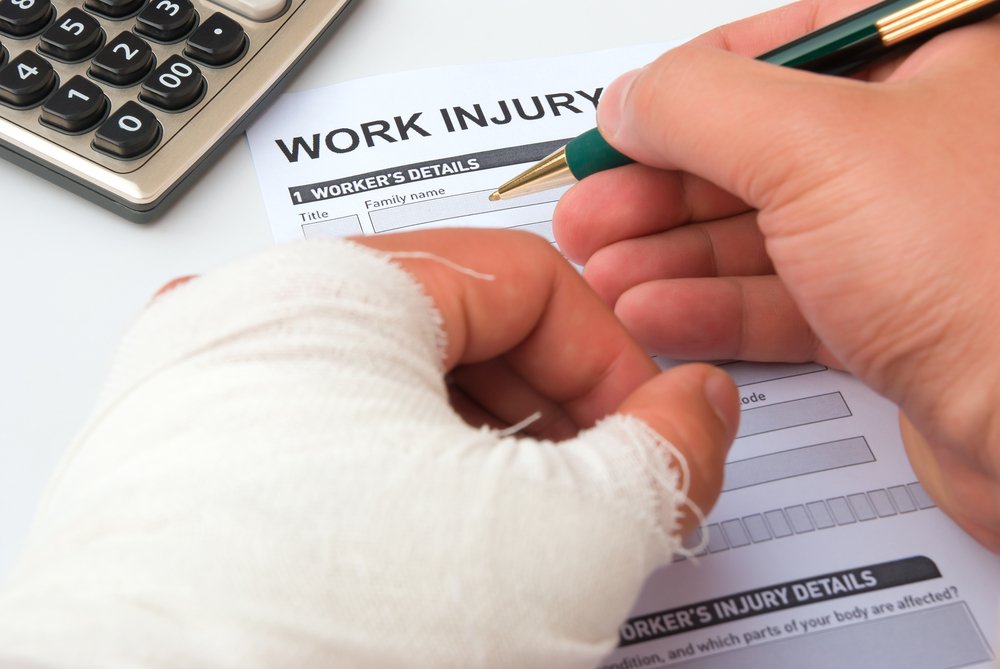
A workplace injury can create immediate financial and personal challenges. Medical appointments, time away from work, reduced income, and uncertainty about the recovery process can make an already difficult situation harder to manage. Workers’ compensation is designed to provide support to eligible employees who suffer job-related injuries or illnesses.
Understanding how the process works can help injured employees make informed decisions. Whether an injury happens suddenly or develops over time, knowing what steps to take and what benefits may be available is an important part of protecting your interests.
What Is Workers’ Compensation?
Workers’ compensation is a system that provides benefits to employees who experience qualifying work-related injuries or illnesses. Depending on the circumstances, benefits may help cover medical treatment, a portion of lost wages, and other losses associated with an occupational injury.
Workplace injuries are not limited to accidents involving heavy equipment or physical labor. They can include slips and falls, repetitive stress injuries, occupational illnesses, lifting injuries, and conditions that develop because of workplace duties.
The specific benefits available depend on the nature and severity of the injury, the employee’s circumstances, and applicable workers’ compensation rules.
Common Types of Workplace Injuries
Work-related injuries can occur in virtually any occupation. Some happen unexpectedly, while others develop gradually.
Sudden Accidents
Employees may suffer injuries from falls, machinery accidents, vehicle incidents, falling objects, or other unexpected events. These injuries can range from minor strains to serious conditions requiring extensive medical care.
Repetitive Motion Injuries
Repeated movements, prolonged physical activity, or poor ergonomic conditions can contribute to conditions affecting the muscles, joints, nerves, and other parts of the body. Because these injuries may develop gradually, determining when and how they occurred can sometimes be more complicated.
Occupational Illnesses
Certain workplace environments may expose employees to substances, conditions, or activities that contribute to illness. Workers’ compensation may address qualifying occupational diseases and conditions connected to employment.
Regardless of how an injury occurs, prompt reporting and appropriate medical attention can be important steps in the claims process.
What Benefits May Be Available?
Workers’ compensation benefits vary depending on the circumstances of each claim. Common categories may include medical treatment and disability-related benefits.
Medical benefits may cover reasonable and necessary treatment related to a qualifying workplace injury. This can include doctor visits, diagnostic testing, medication, rehabilitation, and other approved care.
Temporary disability benefits may help replace part of an employee’s income when an injury prevents them from working during recovery.
Permanent disability benefits may apply when a work-related injury results in lasting impairment that affects an employee’s ability to work.
In certain situations, additional benefits may be available. Because eligibility and benefit amounts can depend on individual facts, employees should avoid assuming that every workplace injury will be handled in exactly the same way.
Why Reporting a Workplace Injury Matters

After an injury occurs, an employee should generally notify the employer as soon as reasonably possible. Delaying a report can create unnecessary complications when documenting when, where, and how an injury happened.
It is also helpful to keep records related to the incident and medical treatment. Documentation may include accident reports, medical records, work restrictions, correspondence, and information about missed work.
Employees should describe their symptoms accurately when receiving medical care and follow applicable treatment recommendations. Clear documentation can help establish the connection between the workplace incident or conditions and the resulting injury.
When a Workers’ Compensation Claim Becomes Complicated
Although workers’ compensation is intended to provide a structured process for injured employees, disputes can arise. An employer or insurance carrier may question whether an injury is work-related, challenge the extent of disability, dispute medical treatment, or disagree about the benefits an employee should receive.
In these situations, understanding the applicable rules becomes especially important. Workers dealing with a disputed or complex claim may benefit from speaking with a qualified legal professional about their circumstances.
For readers seeking more information about legal representation and the workers’ compensation process, Burgis Law’s Firm compensation resource provides additional information about this area of law.
Practical Steps After a Workplace Injury
Taking organized steps after an injury can make the process easier to navigate:
- Report the injury according to workplace procedures.
- Seek appropriate medical attention.
- Keep copies of relevant medical and employment records.
- Follow prescribed treatment and work restrictions.
- Pay attention to deadlines associated with workers’ compensation claims.
- Ask questions when you do not understand a document, decision, or benefit determination.
It is also wise to avoid minimizing an injury simply because symptoms initially appear manageable. Some conditions become more noticeable over time, particularly repetitive-use or musculoskeletal injuries.
Conclusion
A workplace injury can affect far more than an employee’s physical health. It may influence income, employment, medical needs, and everyday responsibilities. Understanding Workers’ Compensation Los Angeles procedures can help employees recognize the importance of timely reporting, medical documentation, and knowing what benefits may apply.
When a claim becomes disputed or difficult to navigate, obtaining professional guidance can help an injured worker better understand the available options. Most importantly, employees should take workplace injuries seriously and keep accurate records throughout the recovery and claims process.